


Master Cycle CSR
INSEEC Grande École master cycle in CSR trains sought-after experts in social responsibility, capable of steering the sustainable transformation of companies.
- Steer the ecological transition of companies
- Master CSR strategy and sustainable innovation
- Develop your network in the responsible economy
- Enter the sustainable transformation professions

increase in the number of CSR job offers
of companies have an active CSR policy
salary of a young CSR manager
jobs to be filled by 2030
What is a Master Cycle CSR at INSEEC Grande Ecole?
The INSEEC Grande École CSR master cycle trains professionals capable of integrating environmental, social and ethical issues at the heart of corporate strategy. This programme confers a Grade de Master degree, and is RNCP level 7 certified (equivalent to 5 years of higher education). The teaching format combines strategy, innovation and work-study to prepare the future players in sustainable transition. You will develop skills in CSR strategy, sustainable development, the circular economy, extra-financial reporting and change management, so that you can steer the responsible transformation of organisations and measure their positive impact on society.
On the Lyon campus, a centre renowned for its dynamism in terms of social innovation and ecological transition, you will work in a rich ecosystem connected to committed companies, impact start-ups and SSE players.
This Master cycle prepares you for strategic positions such as CSR director, sustainable transformation consultant, innovation manager or impact business creator. Find out more about the main options below.
CSR Strategy and Sustainable Governance
Managing responsible commitment
CSR strategy and sustainable governance place responsibility at the heart of corporate decision-making. This specialism trains you to develop ambitious climate strategies, manage non-financial reporting and engage in dialogue with stakeholders. You will learn how to turn environmental and social issues into levers for performance and differentiation.
You will be proficient in developing low-carbon strategies, carrying out carbon assessments and net-zero trajectories, regulatory compliance (CSRD, green taxonomy), dialogue with ESG investors and impact governance. You will also learn how to structure CSR committees, manage extra-financial ratings and steer sustainability audits.
These skills will prepare you for positions as CSR director, sustainable development manager, ESG compliance manager or climate strategy consultant in large companies, consultancies and certification bodies.
Social Innovation and the Circular Economy
Reinventing business models
Social innovation and the circular economy are reinventing value creation by putting impact at the centre. This specialisation trains you to design sustainable economic models, develop the social economy and integrate the principles of eco-design. You will learn how to transform environmental constraints into opportunities for innovation.
You will be developing skills in the design of circular models, industrial ecology and territorial symbioses, social entrepreneurship and the structuring of companies with a mission, impact finance and the measurement of societal performance. You also have expertise in frugal innovation, multi-stakeholder partnerships and the development of responsible products and services.
This expertise will open doors for you as a sustainable innovation director, responsible product manager, impact company creator or circular economy project manager in impact start-ups, large innovative groups and SSE structures.
Transformation and Change Management
Supporting sustainable transition
Transformation and change management are the operational levers of the ecological and social transition. This specialism trains you to manage transformation projects, mobilise employees around sustainable issues and embed responsible practices in organisations. You will learn how to make CSR a driving force for commitment and cohesion.
You will be familiar with managing energy transition projects, raising awareness and training teams in CSR issues, deploying responsible purchasing and a sustainable supply chain, as well as quality of working life and diversity initiatives. You will also learn how to manage employee commitment, measure the impact of actions and manage social dialogue around changes.
These skills will prepare you for positions as sustainable transformation consultants, CSR project managers, responsible purchasing managers or CSR business engineers in consultancies, CSR departments and agencies specialising in change management.
Our training courses
INSEEC Grande Ecole Master Cycle in CSR
Discover our INSEEC Grande École master cycle training that prepares you for strategic careers in sustainable transformation. Choose the course that suits you best.
Testimonials
What our students say
-
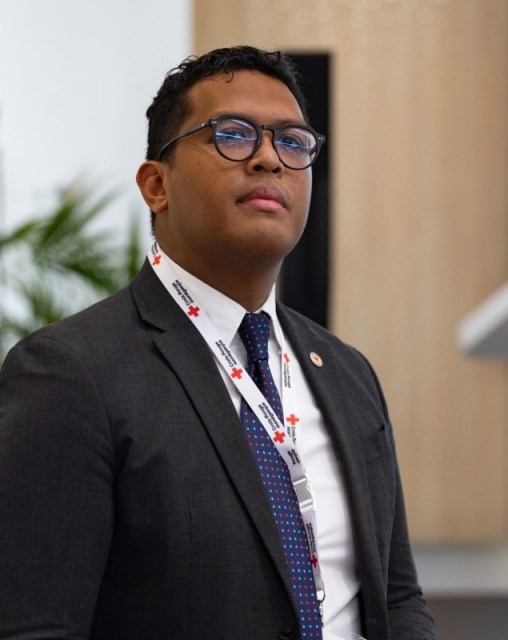
Since 2021, I have been Head of International Relations at the Monegasque Red Cross. INSEEC’s international outlook and the diversity of its student profiles taught me to adapt to different environments, which is a key asset in my daily humanitarian work.
 Rindra RakotomalalaHead of International Relations
The professions
Career opportunities for a Master cycle in CSR
The CSR Grande Ecole specialisation programme provides access to strategic careers in social responsibility, sustainable innovation and transformation, with rapid integration and attractive career prospects.
Study in the heart of France’s major cities
Our campuses
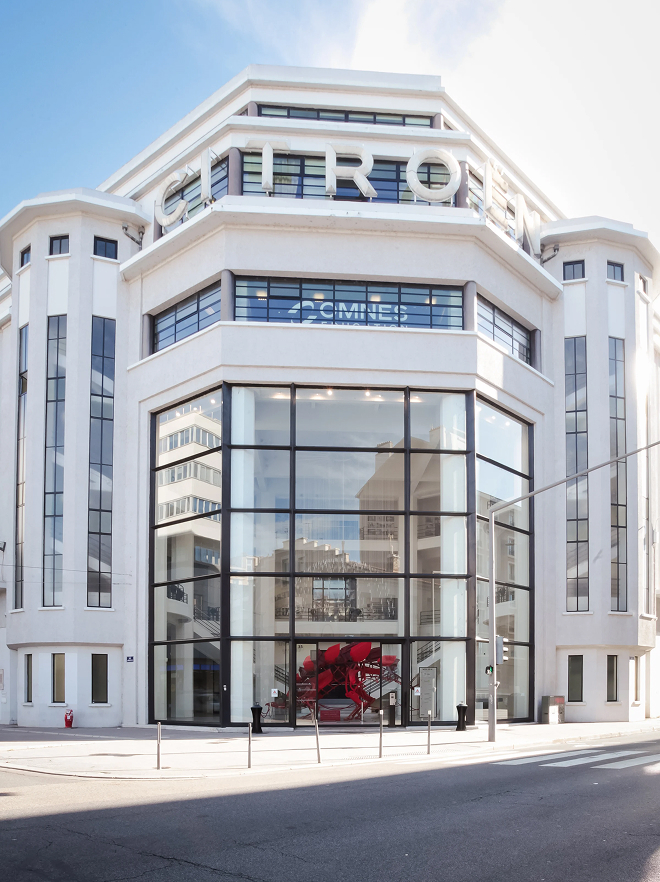
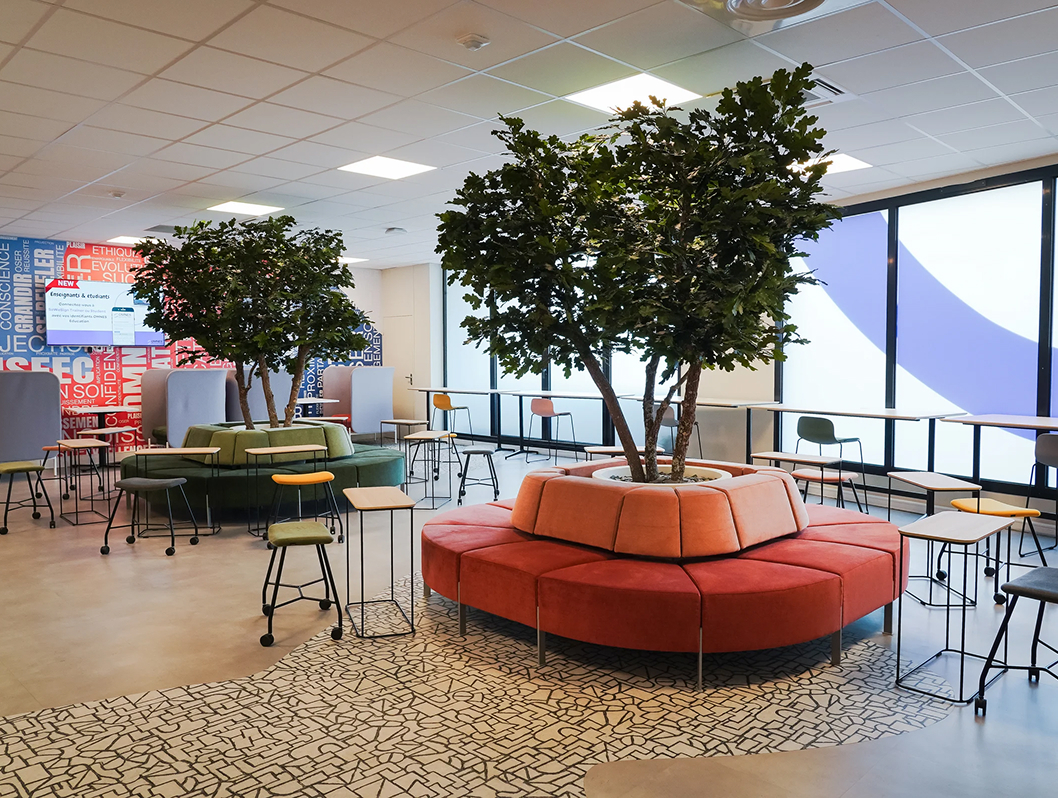
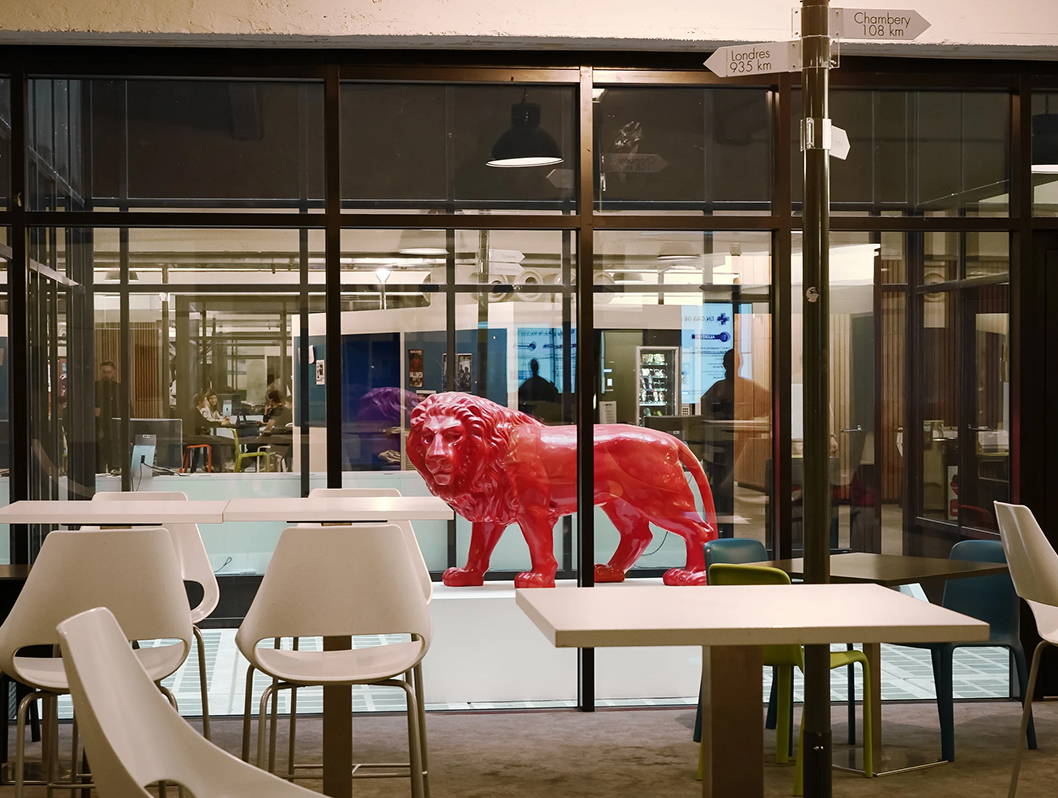
Campus de Lyon
Take advantage of a historic campus in the heart of Lyon, one of France’s most dynamic cultural and student cities.
Campus de Paris
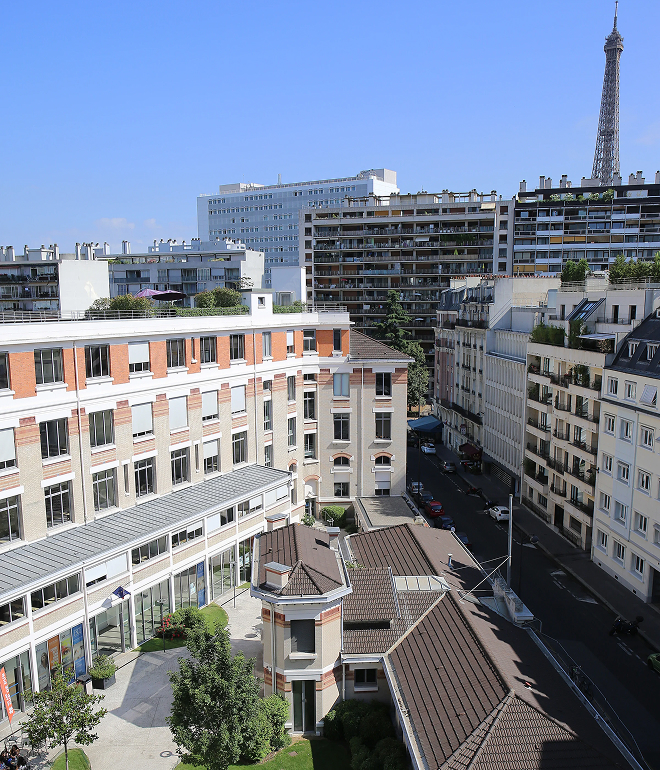
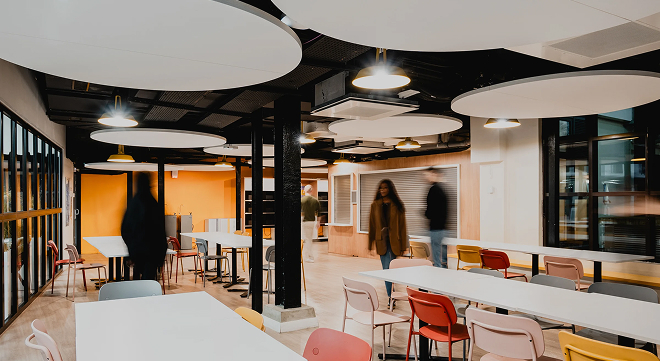
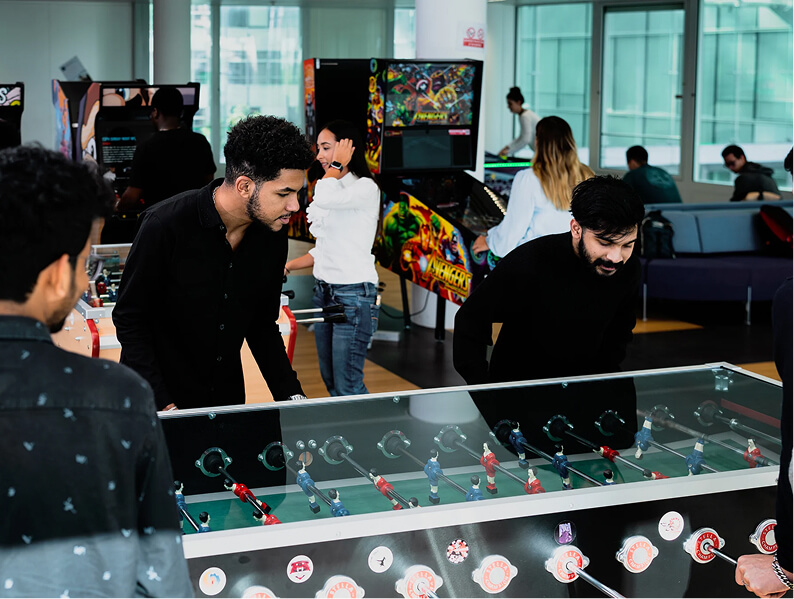
Discover three modern, easily accessible campuses in iconic Paris locations.
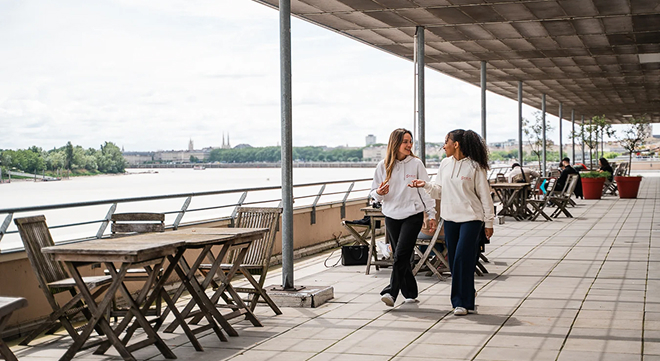
Campus de Bordeaux
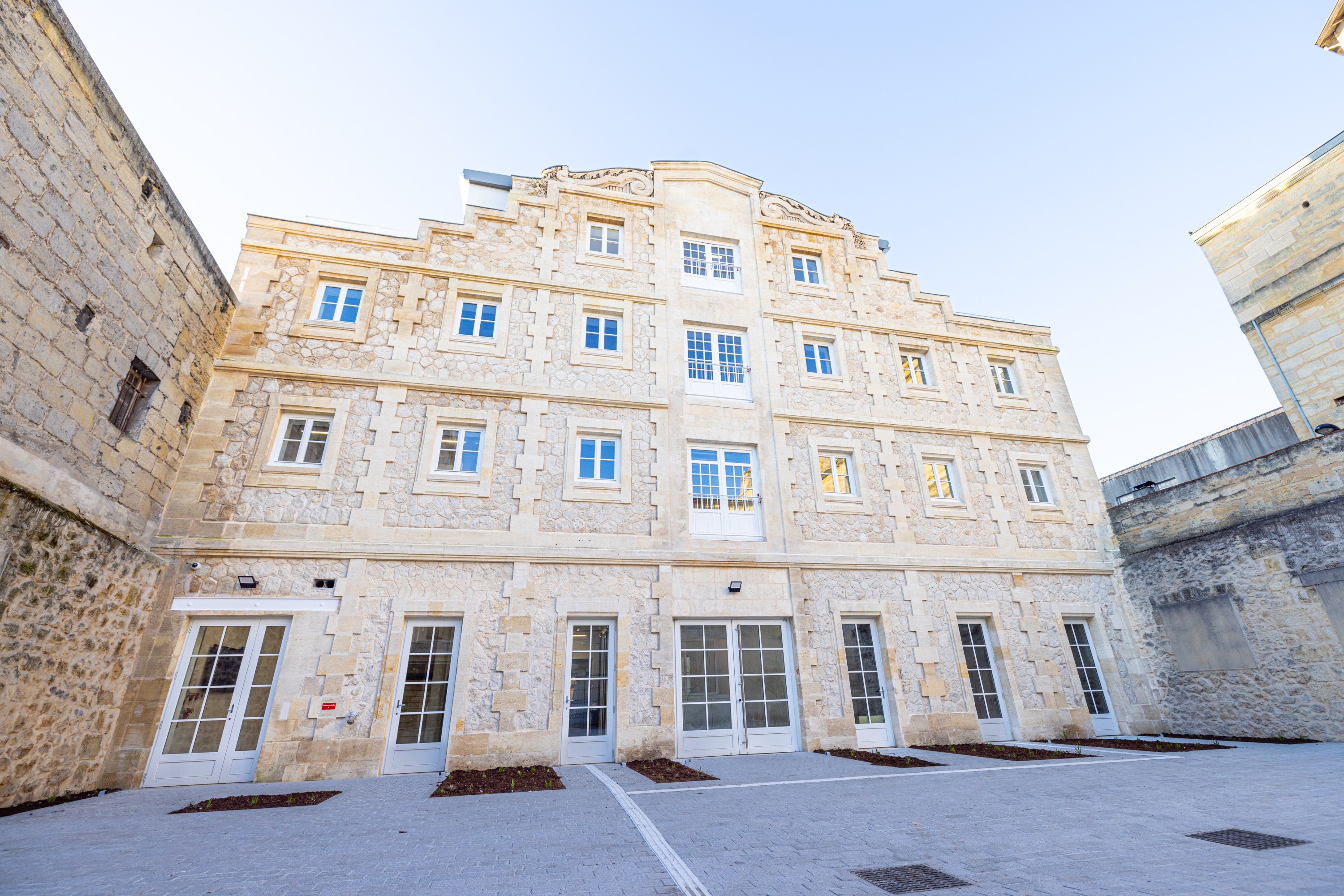
Join a modern, friendly campus on the banks of the Garonne, in the heart of a lively, friendly city.
The most comprehensive range of training courses
Areas of expertise
Explore the specialisations that are shaping the experts of tomorrow, from creativity to strategy and innovation.
Master Cycle Sport
On the Lyon campus, INSEEC Grande École Sports master cycle trains you to become an expert in sports management, ready to join a dynamic and rapidly expanding sector.

Master Cycle Human Resources
INSEEC Grande Ecole Master cycle in Human Resources prepares you for strategic careers in recruitment, training and organisational transformation, with a variety of positions and a direct impact on business performance.

Master Cycle Luxury
INSEEC Grande École master cycle in Luxury will turn you into experts in the sector, ready to join prestigious houses and international markets.

Master Cycle International
With INSEEC Grande Ecole International master cycle, become an operational bilingual manager. This prestigious programme is offered on the Paris, Bordeaux and Lyon campuses.
Master Cycle Data
The Master Cycle Marketing specialisation programme prepares students for careers in the management, exploitation and enhancement of data using artificial intelligence.

Master Cycle Business
The Master Cycle Business specialisation programme prepares you to manage corporate strategy and performance in a changing world. Campuses in Paris, Bordeaux or Lyon.

Master Cycle Marketing
The Master Cycle Marketing specialisation programme confers a Grade de Master degree. It trains versatile experts ready to enter a dynamic sector at the heart of creative and economic ecosystems. Campuses in Paris, Bordeaux or Lyon.
Master Cycle Finance
With INSEEC Grande École master cycle specialising in Finance (conferring a Grade de Master), become an operational financial expert, ready to enter international markets. Studies from Paris, Bordeaux or Lyon.
Visit us at
Discover the events
INSEEC Grande École
-
Grande École
25/03
Open House Days Online
-
Grande École
08/04
Open House Days Online
-
Grande École
11/04
Open House Days in Bordeaux
FAQ
Questions about INSEEC Grande Ecole master cycle in CSR?
The top questions asked about INSEEC Grande Ecole CSR master cycle. And if you haven’t found all your answers here, we’d be delighted to hear from you!
Questions about
our CSR programmes
Do you need a scientific background to succeed in a CSR Master cycle?
No, you don’t need to have a scientific or technical background to join the CSR INSEEC Grande Ecole Master cycle. The programme welcomes a wide range of students from business schools and universities specialising in management, human sciences, law or communications, after 2 or 3 years of higher education. While knowledge of the environment or sustainable development is an advantage, the course will enable you to gradually acquire the necessary expertise in CSR strategy and ecological transition.
The courses cover climate change, the circular economy and social impact in an educational and accessible way. The aim is to train managers capable of driving sustainable transformation, not environmental engineers. What counts most is your commitment to societal issues, your ability to lead change and your interest in responsible innovation.
The experience gained during the work-study year or the work-study contract in different organisations gives practical insight into the CSR professions and helps develop operational skills.
Is CSR a sector for the future?
Absolutely. Corporate social responsibility has become a major strategic issue for all organisations in the face of climate and social challenges. Companies, local authorities and associations are actively seeking CSR experts to steer their sustainable transformation and comply with new European regulations. The sector is experiencing strong growth, with the proliferation of CSR departments, specialist consultancies and impact start-ups.
PGEs specialising in CSR prepare students for major changes: decarbonisation, the circular economy, sustainable finance and inclusion. The knowledge provided covers emerging professions in climate strategy, impact measurement and social innovation.
The regulatory framework is constantly being strengthened, creating new needs for expertise.
CSR activities now permeate all corporate departments: purchasing, HR, marketing and finance. The course aims to train professionals capable of reconciling economic performance and positive impact in a world in the throes of ecological and social transition.
Are there any professional speakers or experts from the sector?
Absolutely. The programme includes working professionals from CSR departments, sustainable development consultancies, mission-driven companies and players in the social economy. These lecturers bring their practical experience to bear through practical courses, real-life case studies and simulations of transformation projects. They share their vision of current issues: climate strategies, extra-financial reporting, circular innovation and change management.
This proximity to the professional world allows students to discover the methodologies used in higher education and facilitates access to work-study opportunities and professional training contracts. Their expertise covers various areas of CSR and sustainable management. The curriculum is firmly rooted in the field, enabling students to acquire directly applicable knowledge.
The tools and practices presented reflect the realities of the professional environment. Continuous assessment also includes projects carried out with corporate partners to ensure the relevance of the teaching.
Are the CSR professions really recruiting young graduates?
Yes, organisations in all sectors are actively looking for young talent to structure and develop their CSR initiatives. Companies, consultancies and high-impact start-ups are recruiting trained people who can bring a fresh perspective to sustainable transformation and societal issues.
Young graduates of the INSEEC Grande École CSR master cycle quickly find a job in the months following their graduation. Apprenticeships and work-study contracts make this easier: a large majority of graduates are taken on following their work-study programme. The sector values profiles with a mastery of strategy, management and impact measurement tools. New opportunities are opening up in sustainable finance, the circular economy and social innovation.
Whether as a CSR consultant, transition project manager or sustainable development manager, there are plenty of opportunities. The programme gives students the opportunity to gain practical experience during their year of training, through professional assignments that make it easier to apply for jobs with committed organisations. The level of skills acquired corresponds to the expectations of recruiters.
What soft skills are developed with the INSEEC Grande Ecole CSR Master cycle?
In addition to the technical skills in CSR strategy and project management acquired during the course, you will develop essential human qualities: the conviction to convey transformation issues to senior management, the ability to influence to mobilise teams around sustainable issues, and the empathy to understand the expectations of stakeholders.
You will strengthen your systemic vision so that you can grasp the complexity of environmental and social issues, your creativity so that you can design innovative solutions, and your resilience in the face of resistance to change. The sustainable management programme also helps you develop the agility to navigate a changing regulatory framework and the leadership to inspire responsible commitment.
The soft skills developed during the year are decisive for success in the CSR professions and advancement to management positions. Continuous assessment and field projects reinforce these human skills in real-life professional contexts, in contact with experts in sustainable development and transformation management.
What is the profile of students graduating with a Master cycle in CSR?
The students who excel in this programme combine a commitment to societal issues, a sense of strategy and the ability to lead change. They come from a wide range of backgrounds after 2 or 3 years’ higher education: business schools, universities in management, human sciences, law or communications.
Profiles with previous experience in the voluntary sector, social entrepreneurship or impact projects are particularly successful. The most important thing is to have an appetite for transforming organisations, a curiosity to understand environmental and social issues, and an ability to convince in complex environments. The objectives of the programme are to train managers capable of combining performance and responsibility in a demanding professional environment.
The programme welcomes students from a wide range of academic backgrounds, the main criteria being motivation and a desire to work in a field related to sustainable transformation. Apprenticeships or professional training contracts enable students to rapidly develop sector-specific knowledge and tools specific to CSR management.
What is the salary after a Master cycle CSR?
At the start of their career, graduates of the Master cycle CSR can expect to earn attractive salaries, generally between €30,000 and €45,000 gross per annum, depending on the position and the structure. Junior CSR consultants, sustainable development project managers and transition officers start out in this range.
After 3 to 5 years’ experience as a CSR manager, senior consultant or social innovation project manager, remuneration ranges from €50,000 to €60,000. Experienced profiles holding positions as CSR director, sustainable development director or innovation director in large companies, international groups or consultancies can earn €60,000 to €45,000 and more. The sustainable finance, transformation consulting and social innovation sectors often offer the most attractive packages.
Profiles in CSR strategy, project management and change management all combine to offer rapid career progression. The level of the degree (Master’s) and the experience acquired during the work-study programme mean that you will be able to enter the CSR profession at the highest professional level.
How can I finance the CSR Master cycle?
There are several ways of financing this course. Apprenticeships or professional training contracts are the most advantageous solutions: your tuition fees are largely covered by the company and you receive a salary while gaining practical work experience in a committed organisation. The programme can also be taken as an initial course, with long-term placements in CSR departments, consultancies or impact companies.
You may be eligible for grants based on social criteria, student loans or regional aid. Work-study applications are particularly encouraged in management programmes, as they allow you to acquire knowledge while being paid during your course.
This option offers an excellent training opportunity with no major debt, while immersing you in the professional world of CSR and sustainable development. Working in a company enables you to rapidly develop the tools and skills targeted by the programme.
Is it possible to work internationally with the INSEEC Grande Ecole Master cycle?
Yes, CSR and sustainable development skills are in demand internationally, particularly in multinational organisations and global consultancies. Many courses include an international dimension on ESG standards, the UN Sustainable Development Goals and global extra-financial reporting practices.
You can do your work-study or work-study contract in foreign subsidiaries, international organisations or groups operating on several continents. Graduates work in organisations in Europe, America and Asia, managing global climate strategies and international impact projects. New opportunities are emerging in international sustainable finance and development cooperation programmes. Fluency in professional English is essential for these international careers in CSR management.
The programme enables you to develop a 360° vision of sustainable issues and build an extensive network. The knowledge you acquire and the tools you master can be applied in different cultural and regulatory environments, preparing you to do business anywhere in the world.
Is the CSR specialisation available as a parallel admission?
Yes, parallel admission is possible at different levels depending on your background. You can apply for the Évolution 1 competitive entrance exam after 2 years’ higher education and enter the first year (L3 level) if you have or are in the process of obtaining a DUT, BTS, Licence 2, level III certified qualification, or are enrolled in the second year of an IEP.
You can also apply for the Évolution 2 competitive entrance exam after 3 years’ higher education and enter the Grande École programme directly in the second year (M1 level) with a diploma attesting to at least three years’ higher education or a level II or III certified qualification.
The process assesses your academic record, your experience in societal issues and your CSR project. This flexibility allows us to welcome a wide range of profiles from business schools and universities in management, human sciences, law or communications. The key is to demonstrate your commitment to sustainable transformation.