


Master Cycle Finance
With INSEEC Grande École master cycle specialising in Finance (conferring a Grade de Master), become an operational financial expert, ready to enter international markets. Studies from Paris, Bordeaux or Lyon.
- Master advanced financial tools
- Develop an influential professional network
- Gain rapid access to strategic positions
- Benefit from world-renowned expertise

of employees on permanent contracts
of jobs are held by women
average annual salary of a junior private banker
recruitments in 2023
What is a Master Cycle Finance at INSEEC Grande Ecole?
The Master Cycle Finance programmes programme confers a Grade de Master. It is a top-class programme that prepares you to steer the financial strategy of companies in a demanding, global environment. You will develop skills in financial analysis, risk management, corporate finance and financial engineering. Through active teaching based on case studies, simulations and expert presentations, you will learn to make decisions, invest and advise with rigour and strategic vision.
This specialisation is available on the Paris, Lyon and Bordeaux campuses. In Paris, the epicentre of European finance, or in Lyon, a dynamic hub between companies and institutions, you will work in a stimulating professional environment, in close contact with the players in the sector.
Work-study training, practical projects and a network of experts will turn your course into a springboard to demanding, well-paid jobs: financial analyst, merger and acquisition consultant or fund manager. Find out more about the main options below.
Investment Finance
Structuring tomorrow’s deals
Investment finance is at the heart of strategic operations: mergers and acquisitions, fund-raising and private equity. You will learn how to evaluate companies, put together financial packages and negotiate complex transactions.
This field requires a detailed analysis of markets, a mastery of valuation models (DCF, multiples) and an understanding of legal and tax issues.
The jobs targeted (M&A analyst, private equity associate or development manager) offer dynamic careers in investment banks, investment funds or large companies. With the rise of fintechs and ESG (environmental, social and governance criteria), profiles capable of innovating and securing deals are particularly sought after.
Asset Management
Optimising customer portfolios
Asset management involves maximising the performance of investments for institutional or private clients. You will develop skills in asset allocation, quantitative analysis and risk management, while integrating ESG criteria.
The jobs (fund manager, quantitative analyst or wealth management adviser) are carried out in private banks or family offices.
This is a changing sector, where data and artificial intelligence are redefining investment strategies, and there is a growing demand for profiles capable of reconciling profitability and impact.
Corporate Finance
Managing financial performance
Corporate finance aims to optimise cash flow, structure financing and support business growth. You are familiar with financial modelling, cash flow analysis and refinancing strategies.
Its main missions are to guarantee the stability and competitiveness of organisations.
With the advent of digitalization and new regulations, experts capable of transforming
data into strategic decisions is essential, particularly for large groups and SMEs.
Our training courses
INSEEC Grande Ecole Master Cycle in Finance
The Grande École master cycle in Finance offer specialisations combining technical expertise and professional immersion to enhance your employability. Work-study programmes and real-life case studies prepare you for key professions. Choose the path that matches your ambitions.
-
- 2nd year undergraduate
- 3rd year undergraduate
Master Cycle in Corporate Finance & Financial Analysis
-
- 2nd year undergraduate
- 3rd year undergraduate
Master Cycle in Corporate Finance and Risks
-
- 2nd year undergraduate
- 3rd year undergraduate
Master Cycle in Finance, Audit and Control
Testimonials
What our students say
-
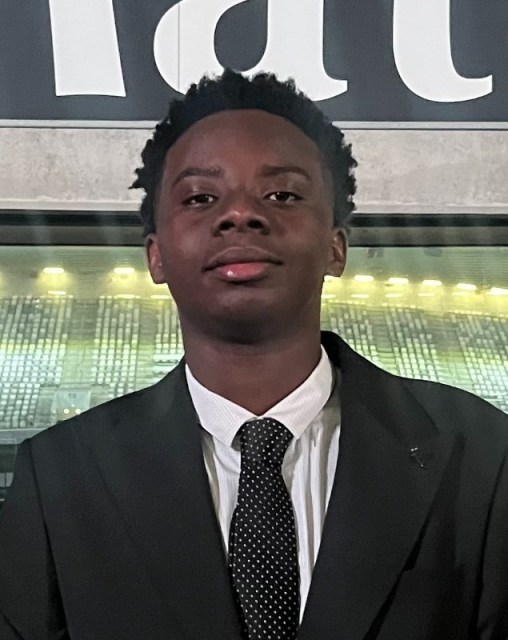
As a second-year finance student at INSEEC Grande École Bordeaux, I benefit from practical courses, a strong international dimension, and a very rich community life.
Jean-Marc Zachille -
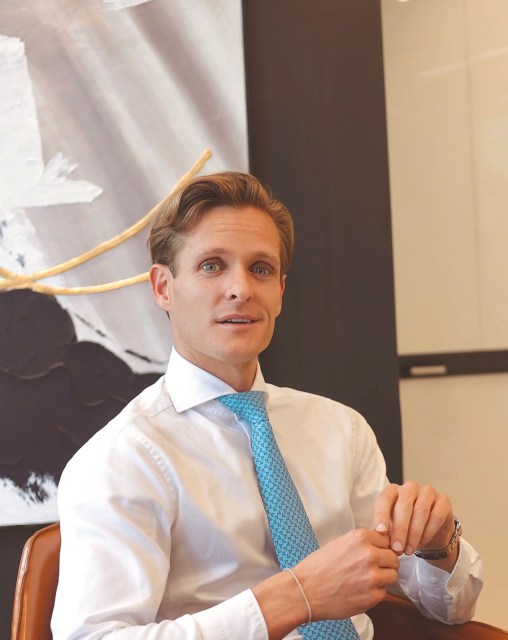
As a graduate of INSEEC Grande École Bordeaux, I have built an international career in finance. My exchange program in Korea and my courses in strategy and financial mathematics still serve me well today as a partner in Shanghai.
 Oscar LacroixPartner
The professions
Career opportunities for a Master cycle in Finance
The INSEEC Grande École master cycle in Finance programme confers a level 7 RNCP-certified Master’s degree (equivalent to 5 years’ higher education). It opens the door to strategic careers in investment, asset management and corporate finance, with positions of high responsibility and competitive salaries.
Study in the heart of France’s major cities
Our campuses
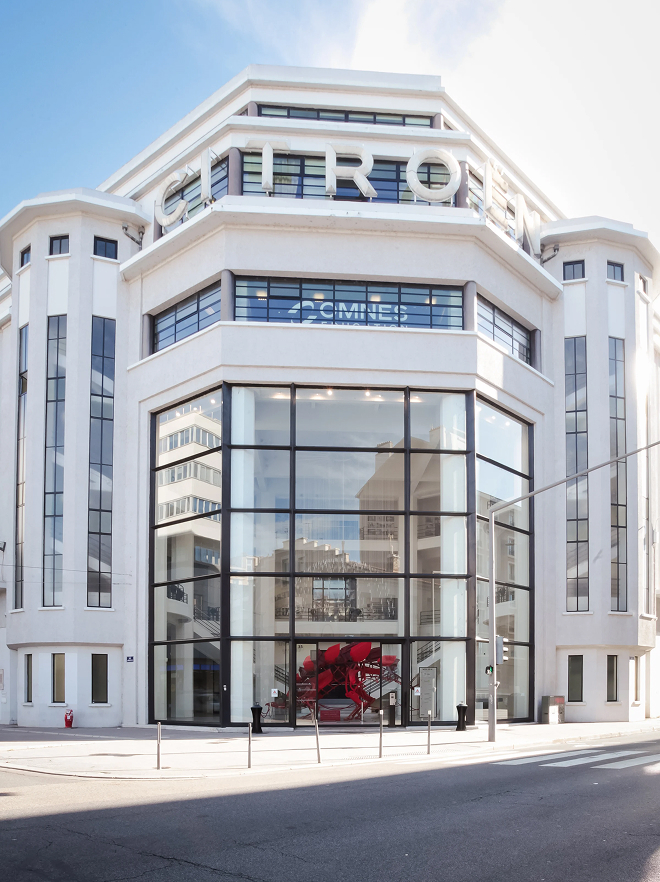
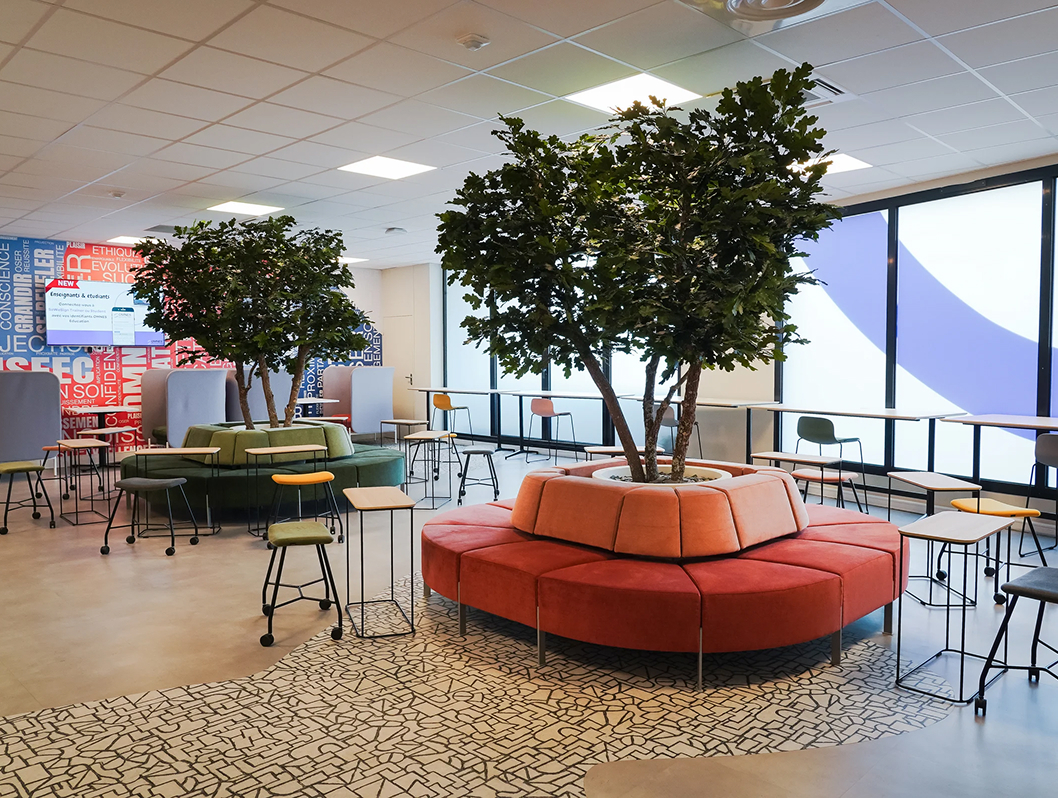

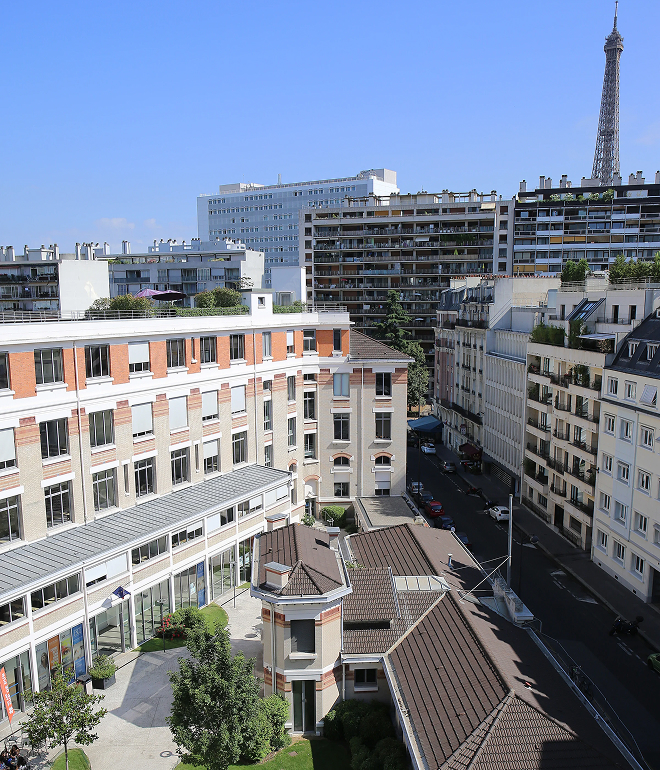
Campus de Lyon
Take advantage of a historic campus in the heart of Lyon, one of France’s most dynamic cultural and student cities.

Campus de Paris
Discover three modern, easily accessible campuses in iconic Paris locations.
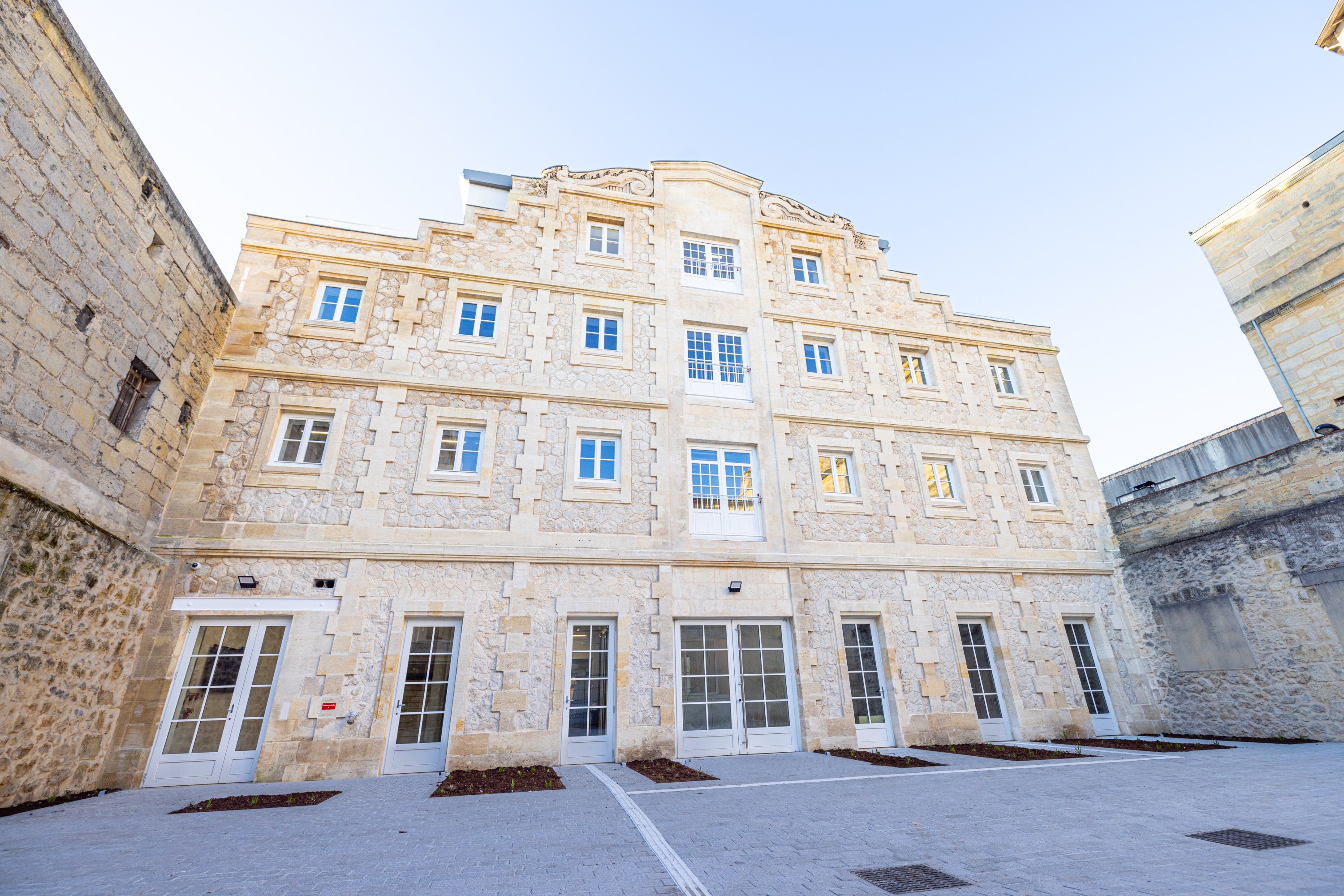


Campus de Bordeaux
Join a modern, friendly campus on the banks of the Garonne, in the heart of a lively, friendly city.
The most comprehensive range of training courses
Areas of expertise
Explore the specialisations that are shaping the experts of tomorrow, from creativity to strategy and innovation.
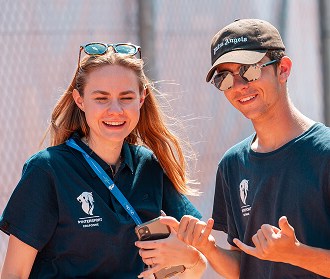
Master Cycle Sport
On the Lyon campus, INSEEC Grande École Sports master cycle trains you to become an expert in sports management, ready to join a dynamic and rapidly expanding sector.
Master Cycle CSR
INSEEC Grande École master cycle in CSR trains sought-after experts in social responsibility, capable of steering the sustainable transformation of companies.

Master Cycle Human Resources
INSEEC Grande Ecole Master cycle in Human Resources prepares you for strategic careers in recruitment, training and organisational transformation, with a variety of positions and a direct impact on business performance.

Master Cycle Luxury
INSEEC Grande École master cycle in Luxury will turn you into experts in the sector, ready to join prestigious houses and international markets.

Master Cycle International
With INSEEC Grande Ecole International master cycle, become an operational bilingual manager. This prestigious programme is offered on the Paris, Bordeaux and Lyon campuses.
Master Cycle Data
The Master Cycle Marketing specialisation programme prepares students for careers in the management, exploitation and enhancement of data using artificial intelligence.

Master Cycle Business
The Master Cycle Business specialisation programme prepares you to manage corporate strategy and performance in a changing world. Campuses in Paris, Bordeaux or Lyon.

Master Cycle Marketing
The Master Cycle Marketing specialisation programme confers a Grade de Master degree. It trains versatile experts ready to enter a dynamic sector at the heart of creative and economic ecosystems. Campuses in Paris, Bordeaux or Lyon.
Visit us at
Discover the INSEEC Grande Ecole events
-
Grande École
17/03
Open House Days in Lyon
-
Grande École
17/03
Open House Days in Paris
-
Grande École
17/03
Open House Days in Bordeaux
FAQ
Questions about INSEEC Grande Ecole master cycle in Finance?
The top questions asked about INSEEC Grande Ecole master cycle in Finance specialisation. And if you haven’t found all your answers here, we’d be delighted to hear from you!
Questions about
our programmes
in Finance
What are the advantages of a Master cycle in Finance for your future career?
The PGE (Programme Grande École) INSEEC confers a Master’s degree. The Finance specialisation trains experts capable of analysing, managing and anticipating the financial challenges facing companies. This professional training combines management, auditing and risk management, while developing operational skills that are in demand on the French and international markets.
What is the profile of students graduating with a Master cycle in Finance?
Successful students are curious, rigorous and comfortable with numbers. They enjoy technical courses, strategic management and practical projects focusing on corporate or market finance. An aptitude for analysis and solving complex problems is a major asset.
Can I work abroad with an INSEEC Grande Ecole Master cycle in Finance?
Yes, this Grande Ecole programme confers a Master’s degree. It gives access to international financial professions in investment banking, asset management and risk management. The programmes often include a semester at a partner university and a work placement abroad.
Is finance a sector for the future?
Absolutely. Finance is evolving with the challenges of digitalisation, sustainable finance and international regulation. The finance and audit functions remain essential to the management of companies and offer solid long-term prospects.
Are there any professional speakers or experts from the sector?
Yes, the courses are taught by professionals from the financial markets, audit firms, banks and finance departments. They provide a concrete vision of the tools and practices of contemporary finance.
How can I finance the specialised Master cycle in Finance?
This INSEEC Grande Ecole Programme is accessible via work-study or internships, with financing solutions such as grants, student loans and aid schemes. The diploma is recognised by the State and awards ECTS credits at Master’s level.
Do you need to be good at mathematics to pass a Master cycle in Finance?
Digital fluency is a plus, but the course helps you acquire the knowledge you need to understand financial mechanisms and use analysis and management tools. The teaching objectives are designed to make students fully operational.
Does the Master cycle in Finance include any professional qualifications or specialisations?
Yes, depending on the path you choose, you can prepare for certifications such as the CFA, AMF or portfolio management modules. There are also specialisations in international business, financial risk and sustainable finance.
What are the highest-paying careers after a Master cycle in Finance?
Investment bankers, financial auditors, asset managers and investment analysts are among the best-paid professions. With experience, progression to finance management positions is rapid and rewarding.