


Master Cycle International
With INSEEC Grande Ecole International master cycle, become an operational bilingual manager. This prestigious programme is offered on the Paris, Bordeaux and Lyon campuses.
- Get to grips with global geopolitical issues
- Develop an international professional network
- Boost your employability abroad
- Manage multicultural projects

French exporting companies
France’s ranking among world exporters
Average starting salary
Growth in export volume
What is a Master Cycle International at INSEEC Grande Ecole?
The INSEEC Grande École International master cycle trains managers who are open to the world, capable of steering export strategies, negotiating in a multicultural context and developing international activities. It confers a Master’s degree, and is RNCP level 7 certified (equivalent to bac + 5). The teaching combines courses in English and French, case studies and business simulations. You’ll learn how to analyse foreign markets, optimise the supply chain and use digital tools to manage global, innovative operations.
This specialisation is available on the INSEEC Grande Ecole campuses in Paris, Lyon and Bordeaux. In Paris, the European economic hub, in Lyon, the strategic crossroads between Europe and emerging markets, or in Bordeaux, a port city with an international outlook and transatlantic trade, you benefit from a stimulating professional environment, close to the major players in the international arena. Internships, work-study programmes and semesters abroad complete your training for total immersion.
Once you’ve graduated, you’ll have access to strategic positions such as export manager, international project manager or development consultant. Find out more about this specialisation below.
International Trade
Conquering foreign markets
International trade is an essential lever for companies seeking to expand abroad. This specialisation trains you in export strategies, analysis of emerging markets and international trade negotiations. You will learn how to identify opportunities, adapt products to local cultures and master customs regulations.
This is a dynamic sector where bilingual, operational profiles are in demand: export managers, international project managers or development consultants. With the digitalisation of trade, skills in e-commerce and international logistics are becoming essential if we are to succeed in these fast-growing markets.
Intercultural Management
Leading without borders
Intercultural management is at the heart of global organisations. You will develop the key skills needed to lead multicultural teams, adapt strategies to local conditions and negotiate with international partners.
The professions available on completion of the course are director of a foreign subsidiary, international operations manager or interim manager. This field requires an open mind, great adaptability and a mastery of geopolitical issues. Companies value these profiles, which are capable of creating synergies between cultures and ensuring the cohesion of dispersed teams.
International Logistics and Supply Chain
Controlling global flows
International logistics is a pillar of world trade. In this international specialisation, you will develop expertise in flow management, cost optimisation and the use of digital tools (ERP, blockchain).
Careers in this sector, such as supply chain manager, international buyer or logistics manager, are in high demand. Current challenges include supply chain resilience, sustainability and technological innovation. An ideal specialisation for those who want to combine operational rigour with strategic vision.
Our training courses
INSEEC Grande Ecole Master Cycle in International
INSEEC Grande École International master cycle trains experts in global business, ready to conquer Europe and beyond. Work-study programmes and practical projects will boost your career. Choose your course.
Testimonials
What our students say
-
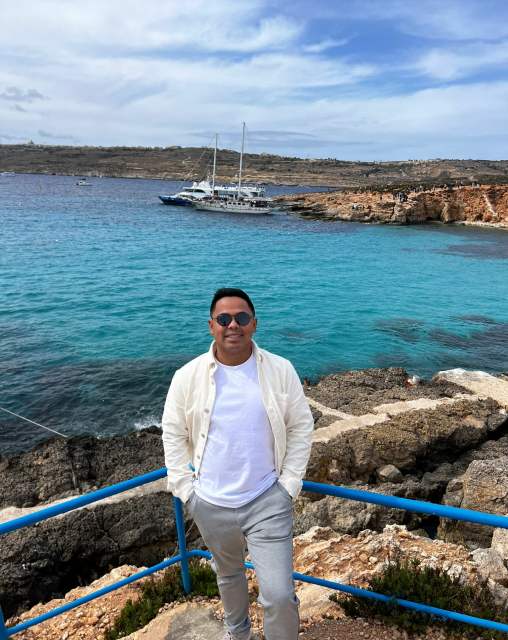
After an exchange program in London, I completed an internship in real estate and digital marketing in Malta. This international immersion experience strengthened my skills and broadened my horizons.
Giscard Rasolondraibe
The professions
Career opportunities for a Master cycle International
The INSEEC Grande École MSc CGE international opens the way to strategic careers in world trade, export and intercultural management, for a career without borders.
Study in the heart of France’s major cities
Our campuses
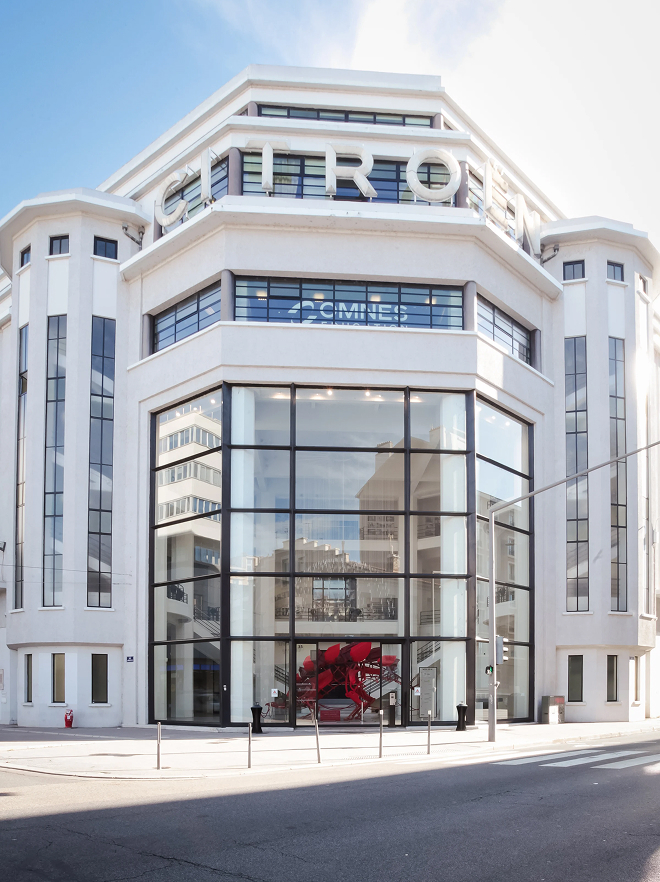
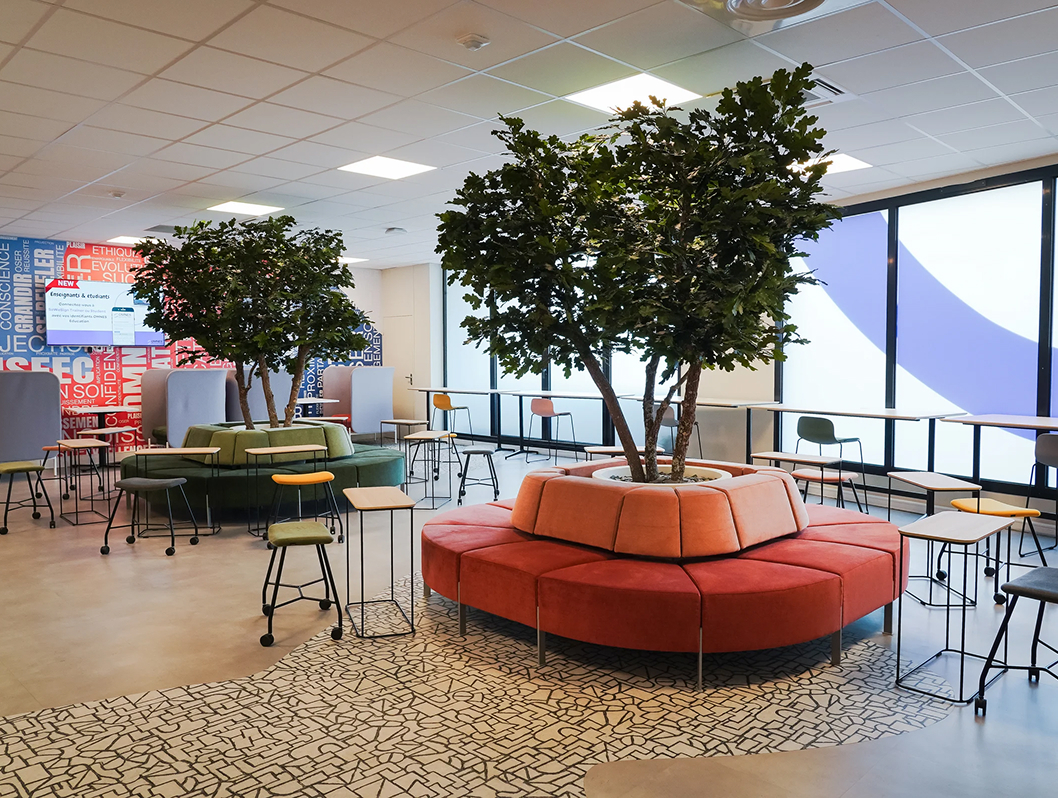
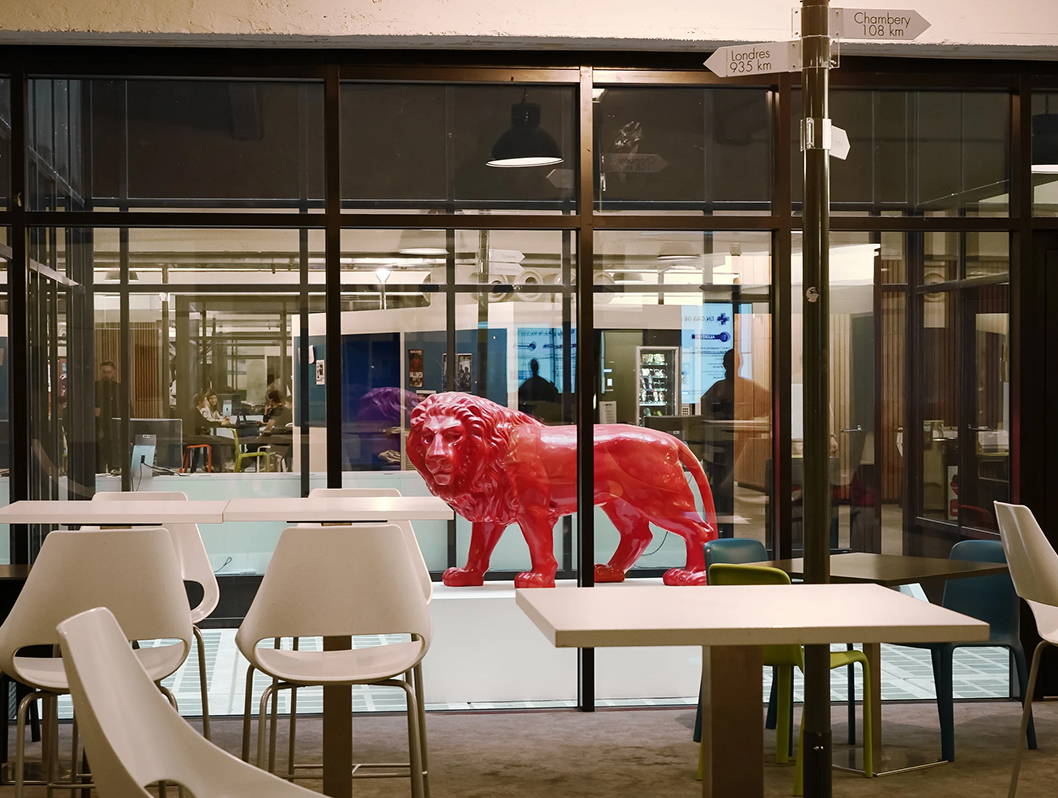
Campus de Lyon
Take advantage of a historic campus in the heart of Lyon, one of France’s most dynamic cultural and student cities.
Campus de Paris
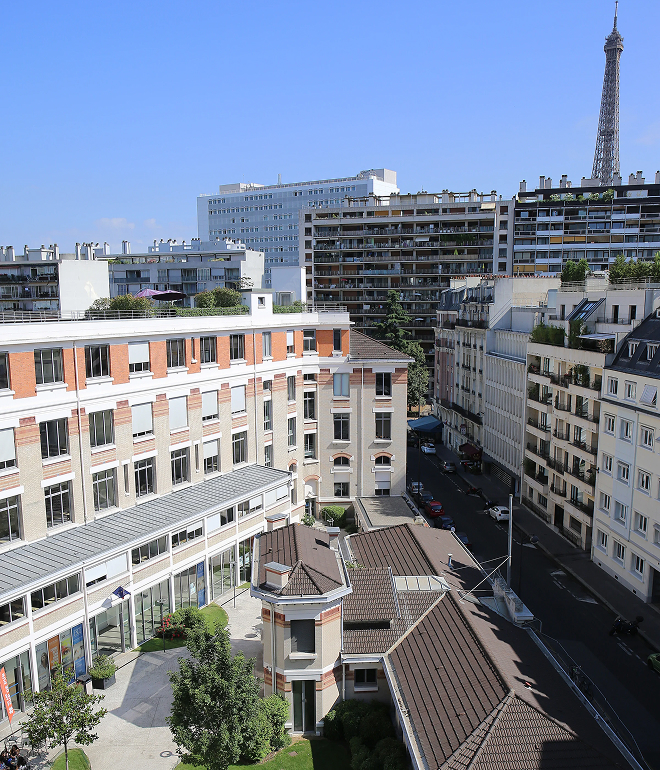
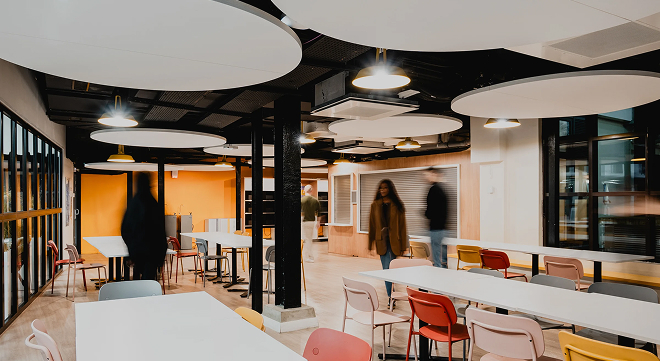
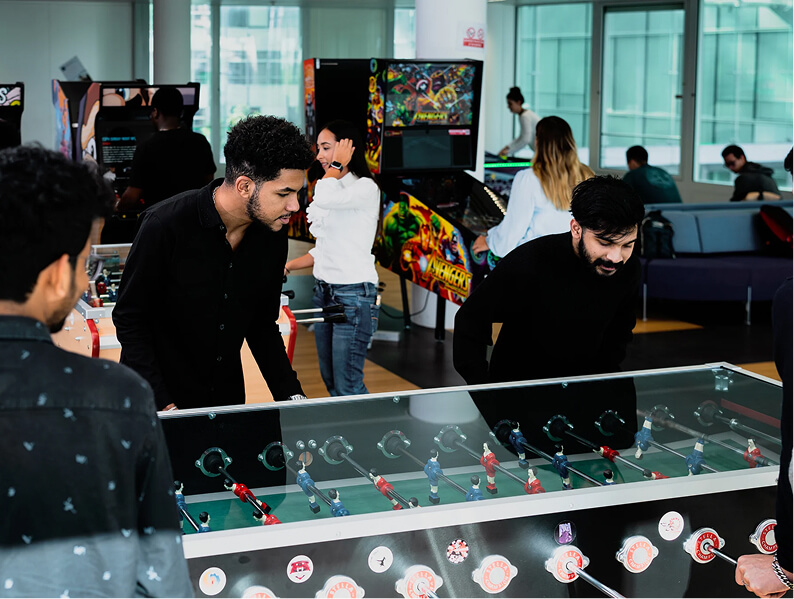
Discover three modern, easily accessible campuses in iconic Paris locations.


Campus de Bordeaux
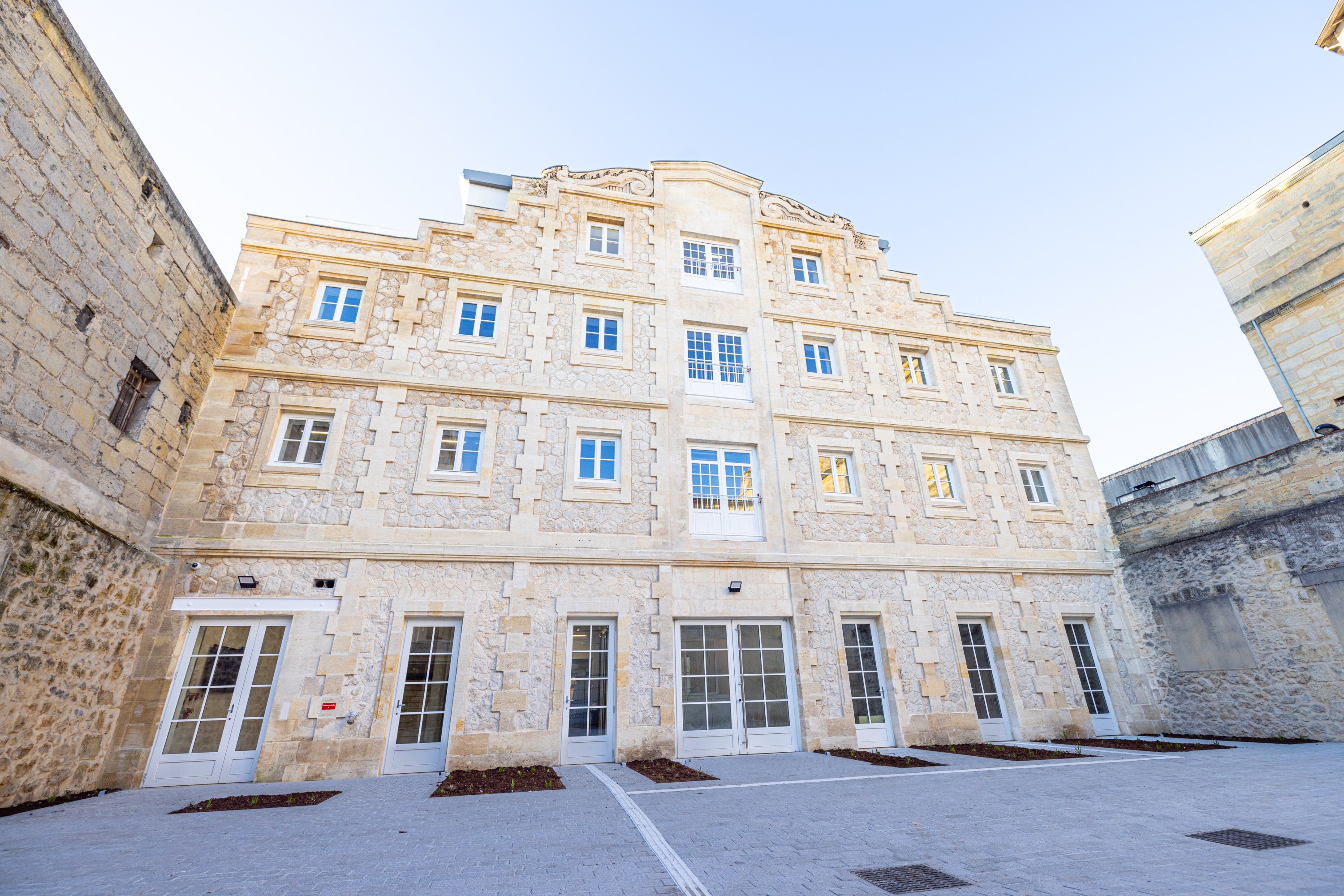
Join a modern, friendly campus on the banks of the Garonne, in the heart of a lively, friendly city.
The most comprehensive range of training courses
Areas of expertise
Explore the specialisations that are shaping the experts of tomorrow, from creativity to strategy and innovation.
Master Cycle Sport
On the Lyon campus, INSEEC Grande École Sports master cycle trains you to become an expert in sports management, ready to join a dynamic and rapidly expanding sector.
Master Cycle CSR
INSEEC Grande École master cycle in CSR trains sought-after experts in social responsibility, capable of steering the sustainable transformation of companies.

Master Cycle Human Resources
INSEEC Grande Ecole Master cycle in Human Resources prepares you for strategic careers in recruitment, training and organisational transformation, with a variety of positions and a direct impact on business performance.
Master Cycle Luxury
INSEEC Grande École master cycle in Luxury will turn you into experts in the sector, ready to join prestigious houses and international markets.
Master Cycle Data
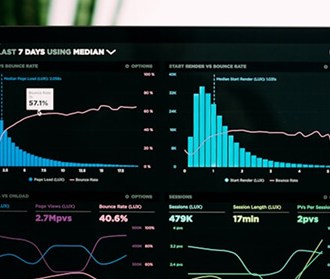
The Master Cycle Marketing specialisation programme prepares students for careers in the management, exploitation and enhancement of data using artificial intelligence.

Master Cycle Business
The Master Cycle Business specialisation programme prepares you to manage corporate strategy and performance in a changing world. Campuses in Paris, Bordeaux or Lyon.

Master Cycle Marketing
The Master Cycle Marketing specialisation programme confers a Grade de Master degree. It trains versatile experts ready to enter a dynamic sector at the heart of creative and economic ecosystems. Campuses in Paris, Bordeaux or Lyon.
Master Cycle Finance
With INSEEC Grande École master cycle specialising in Finance (conferring a Grade de Master), become an operational financial expert, ready to enter international markets. Studies from Paris, Bordeaux or Lyon.
Visit us at
Discover the events
INSEEC Grande École
Event type
-
Grande École
25/03
Open House Days in Online
FAQ
Questions about INSEEC Grande Ecole master cycle International?
The top questions asked about INSEEC Grande Ecole Master cycle International. And if you haven’t found all your answers here, we’d be delighted to hear from you!
Questions about
our programmes
in International
What are the advantages of an International Master cycle for your future career?
The INSEEC Grande École International master cycle (leading to a Master’s degree) prepares students for careers with high levels of responsibility in management, finance or global business. This targeted higher education programme offers academic and professional recognition in France and abroad, while developing your strategic and intercultural skills.
You will benefit from a body of theoretical and practical knowledge that will facilitate your integration into the job market. Graduates quickly find jobs in marketing, business development or international project management.
Are there any professional speakers or experts from the sector?
Yes, the programmes are led by executives from major international groups, lecturers and recognised professionals. Their experience of the market and of commercial strategy reinforces the professional dimension of the course.
These speakers share their first-hand knowledge of new international business practices, giving students an insight into the realities of the export business and global management.
How can I finance the International Master cycle?
Work-study programmes (or work placements), grants from the school, student loans and regional and social schemes all help to finance the programme. The INSEEC Grande Ecole master cycle International is recognised by the French government and entitles students to ECTS credits, enabling them to continue their studies abroad.
Do the International Master cycle courses really recruit young graduates?
The INSEEC Grande École International master cycle offers real opportunities for young graduates, thanks to the Grade de Master degree. Companies are actively looking for multi-skilled individuals who are capable of working in a multicultural environment and adapting to different economic contexts. Graduates can quickly move into positions in finance, marketing, supply chain or human resources.
The International Specialisation Master cycle obtained through INSEEC Grande École Programme is particularly appreciated by French and international recruiters for its strategic and operational dimensions.
What soft skills are developed with the International Master cycle?
Intercultural communication, leadership, project management, adaptability, creativity and strategic thinking: these are the qualities that enable students to work in a global, multicultural environment.
You will also develop your social intelligence, your ability to work in a multicultural team and your agility in the face of new technologies such as artificial intelligence applied to business.
Is it possible to work internationally with this INSEEC Master cycle?
Yes, the Master cycle International Specialisation gives you the opportunity to work abroad in global management, sustainable development or digital innovation. The programme includes internships and exchanges in partner universities.
This practical experience will enable you to discover different markets and acquire an in-depth knowledge of the intercultural challenges of global business.
Does the International Specialisation Master cycle offer training in English?
Yes, a large part of the programme is taught in English to enhance employability on the international market. Some courses are 100% English-speaking, depending on the campus.
The course is taught in French and English, so that students have a perfect command of business vocabulary in both languages. This dual language capability is a major asset for your career.
What profiles are admitted to the International Master cycle?
Admission is open to holders of a 2nd year undergraduate level (Évolution 1 competitive entrance exam) or a 3rd year undergarduate level, depending on the entry level and the year in question. The school assesses the applicant’s career plans, academic achievements and application documents, and awards an internationally recognised Master’s degree.
People with backgrounds in marketing, business, management or the social sciences are particularly sought after for their complementary skills.
Does the International Master cycle cover digital transformation?
Yes, the course includes modules on digital finance, digital marketing, innovation and strategic management. Students learn to adapt their methods to the challenges of sustainable development and commercial performance.
Artificial intelligence, new technologies and data analysis form an integral part of the curriculum, to train high-level managers capable of anticipating market developments.