


MSc Data
INSEEC’s Masters of Science in Data train specialists in digital marketing and analysis, capable of working in innovative markets in Paris, Lyon and Bordeaux.
- Obtain a recognised RNCP level 7 qualification
- Develop dual Data and Marketing expertise
- Learn how to manage digital performance
- Gain access to strategic and innovative positions

average salary for a data analyst
direct jobs in the Big Data sector
importance of Data in business
AI start-ups in 2025
What is a Master of Science in Data at INSEEC?
INSEEC’s Master of Science Data course teaches you how to use data to improve business performance and strategy. You will learn how to collect, organise and analyse information to make informed decisions and steer more effective marketing actions.
With this specialisation, you will develop dual skills in digital marketing and data analysis, while learning how to use artificial intelligence and data visualisation tools to transform information into growth drivers.
This specialisation is available on the INSEEC campuses in Paris, Bordeaux, Lyon, Marseille and Toulouse. Whether you do your training in Paris, at the heart of the tech ecosystems, in Lyon, in a recognised innovation centre, or in Bordeaux, where digital technology is developing rapidly, each campus connects you to an active network of professionals.
This Master of Science in Data opens the door to exciting careers: data analyst, marketing data strategist, digital project manager or digital transformation consultant.
Find out about the different specialisations and identify the one that best suits your career plans.
Data Marketing and Digital Strategy
Turning data into action
This specialisation teaches you how to turn data into marketing levers. You’ll be able to analyse customer behaviour, segment audiences and optimise the performance of digital campaigns. Thanks to an approach that combines strategy and technique, you will develop sought-after expertise in the design of data-driven marketing plans.
Data Analysis and Artificial Intelligence
Modelling and predicting the future
You will explore the statistical tools, programming languages and practical applications of artificial intelligence. The aim: to collect, model and interpret data to inform strategic business decisions. You will also learn how to automate processes and make the most of data using predictive algorithms and relevant dashboards.
Data Management and Governance
Securing and enhancing data
This dimension provides training in controlling and securing the data life cycle. You will develop skills in database management, regulatory compliance (particularly RGPD) and infrastructure management. This know-how is essential for guaranteeing the reliability, ethics and performance of corporate data strategies.
Skills developed
- Designing a data-driven strategy
- Managing agile projects
- Collecting and structuring data
- Analysing and interpreting results
- Adding value to corporate data
- Automate marketing processes
- Supporting decision-making
- Guaranteeing data quality and compliance
Our training courses
INSEEC Masters of Science Data
Masters of Science Data programmes train experts capable of working in all areas of Data and Artificial Intelligence. Combine analytical rigour, strategy and professional experience to accelerate your career.
Campus
-
- 1st year postgraduate
- 3rd year undergraduate
MSc Manager in Data Marketing
Testimonials
What our students say
-
The advantage of having attended INSEEC is that you get to build a network and gain valuable professional experience through internships and work-study programs.
 Loïc R.Entrepreneur
The professions
Career opportunities for a Master of Science Data
INSEEC’s Masters of Science in Data pave the way for strategic careers in digital, marketing and analysis, where mastery of data is a key asset.
Study in the heart of France’s major cities
Our campuses
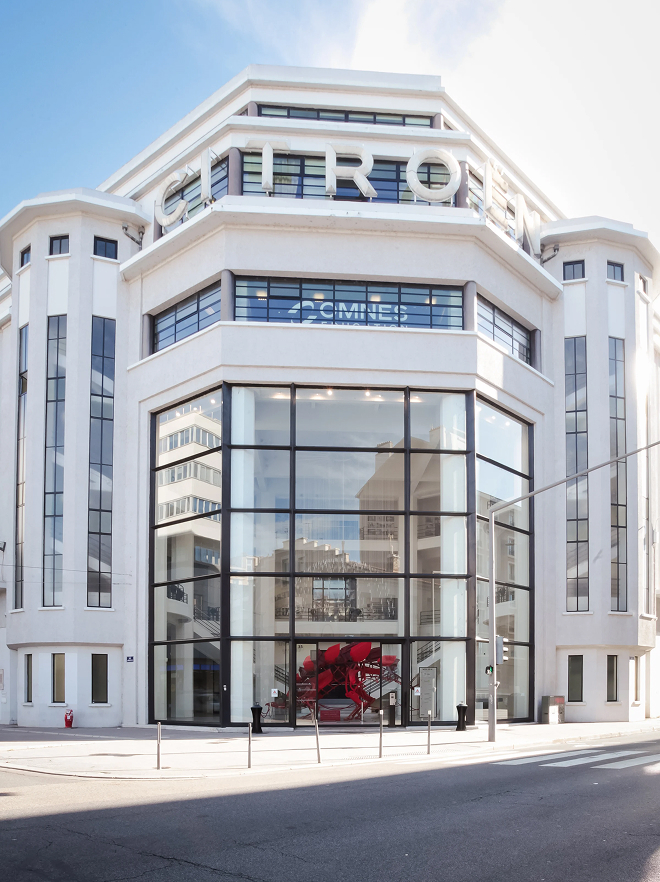
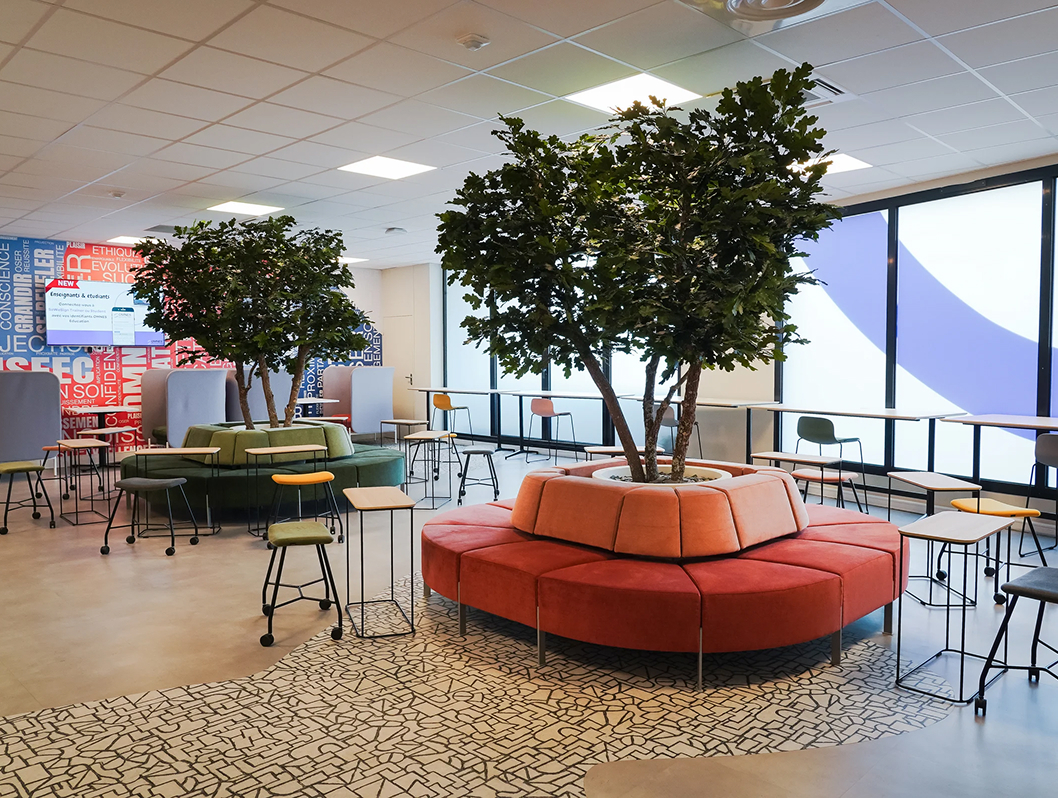
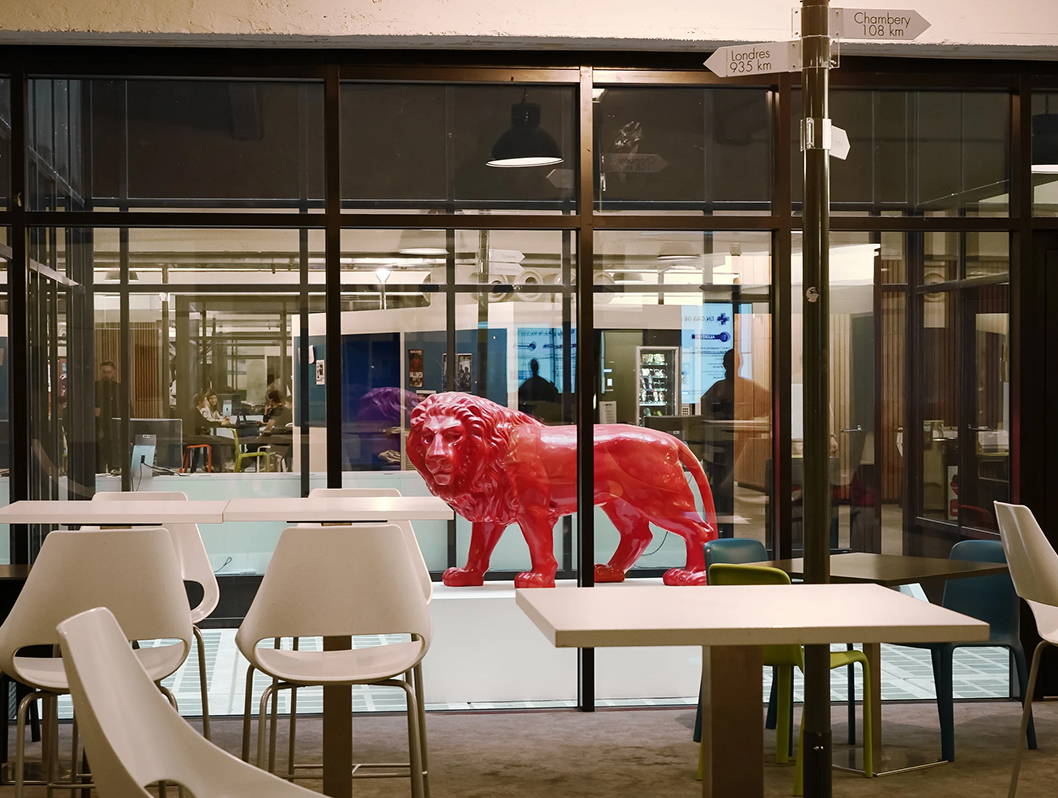
Campus de Lyon
Take advantage of a historic campus in the heart of Lyon, one of France’s most dynamic cultural and student cities.


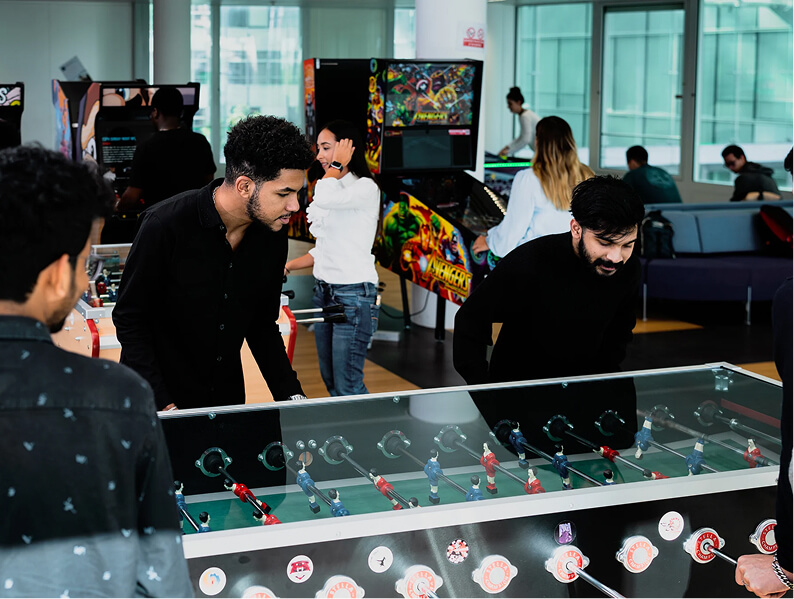
Campus de Paris
Discover three modern, easily accessible campuses in iconic Paris locations.
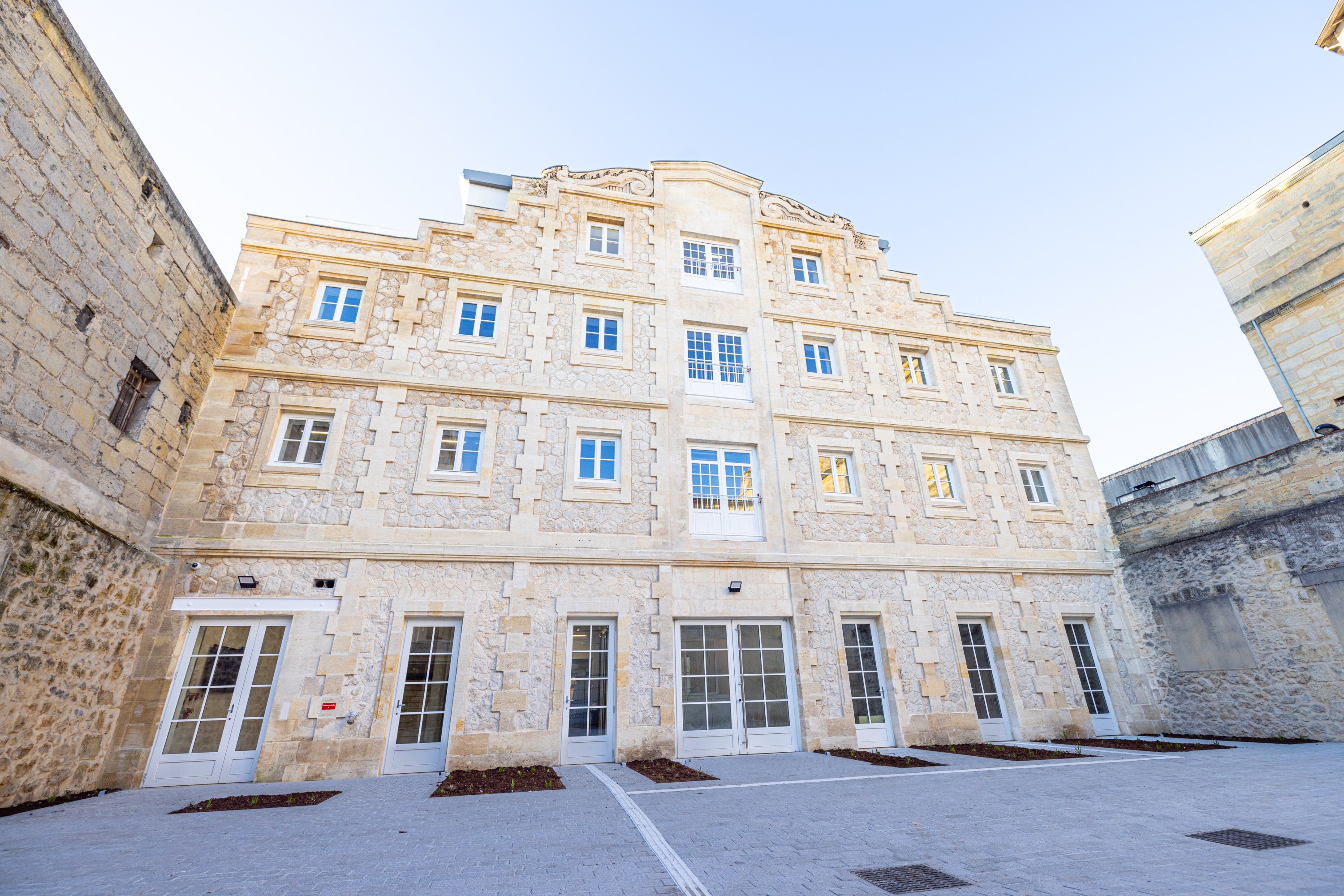


Campus de Bordeaux
Join a modern, friendly campus on the banks of the Garonne, in the heart of a lively, friendly city.


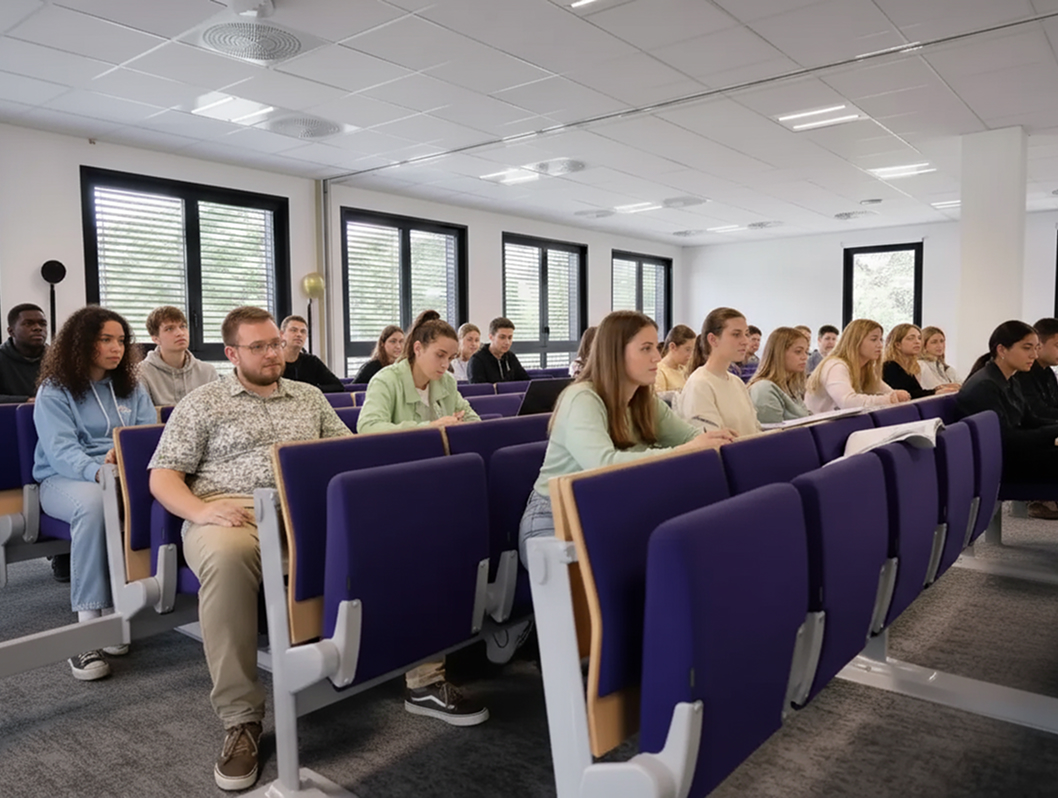
Campus de Toulouse
Study on a bright, modern campus close to the centre and Toulouse’s dynamic economy.
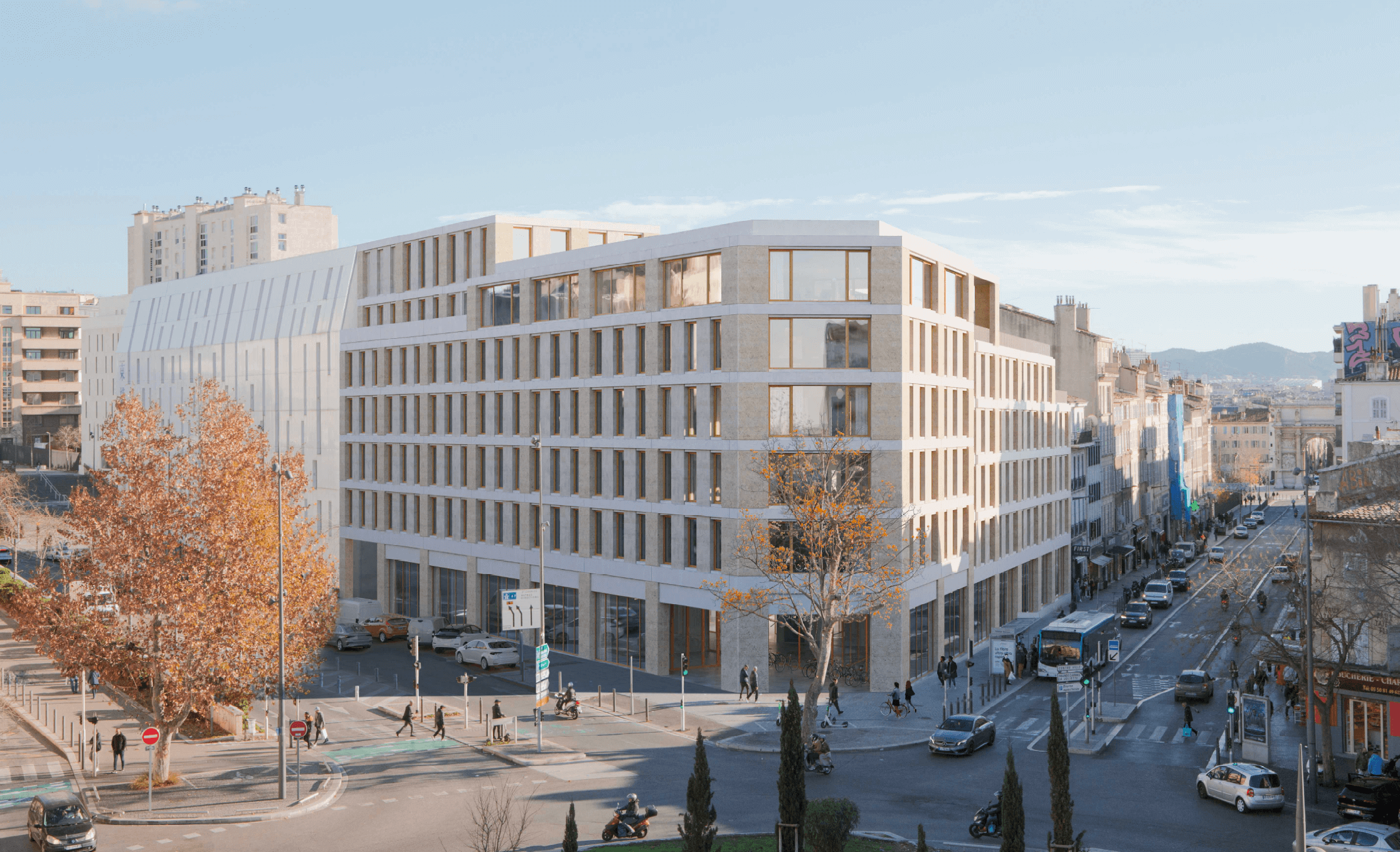
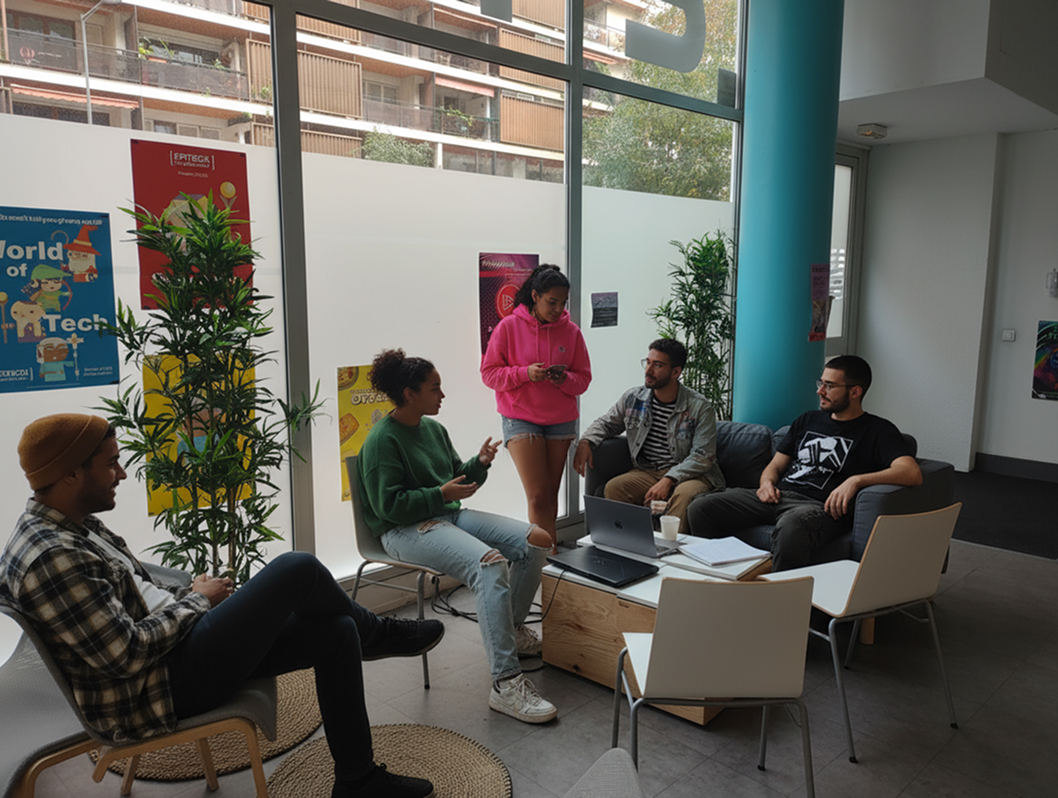
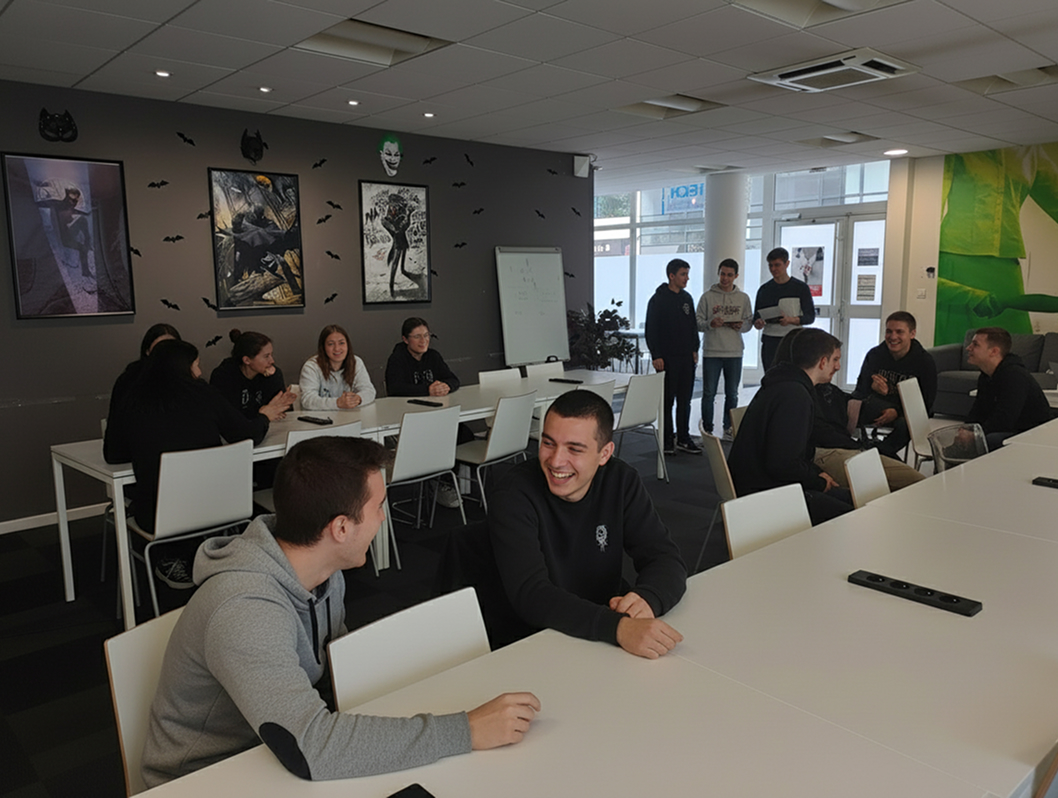
Campus de Marseille
Discover a brand new campus in the heart of Marseille, an energetic Mediterranean city full of contrasts.
The most comprehensive range of training courses
Our Master of Science specialisations

MSc Communication
The Masters of Science specialising in Communication at INSEEC Paris, Lyon, Bordeaux, Marseille and Chambéry train sought-after experts with a curriculum designed for optimum integration into creative and strategic sectors.

MSc Business
INSEEC’s Masters of Science Business programmes train sought-after, multi-skilled managers capable of working in all sectors, on 7 national campuses from Paris to Toulouse.

MSc Digital
INSEEC’s Masters of Science in Digital are taught on 7 campuses (Paris, Lyon, Bordeaux, Toulouse, Marseille, Rennes, Chambéry), offering high employability in digital marketing.

MSc Real Estate
INSEEC’s Masters of Science in Real Estate train sought-after experts on 7 national campuses, from Paris to Lyon and Bordeaux, guaranteeing optimal integration into the real estate sector.

MSc International
INSEEC’s Masters of Science in International Management train sought-after managers on 7 campuses, from Paris to Lyon and Bordeaux, offering high employability in international careers.

MSc Luxury
INSEEC’s Masters of Science in Luxury trains sought-after experts on 5 campuses, from Paris to Lyon and Bordeaux, offering high employability in international luxury houses.

MSc Marketing
INSEEC’s Masters of Science in Marketing are taught on 7 campuses (Paris, Lyon, Bordeaux, Toulouse, Marseille, Rennes, Chambéry), offering high employability in strategic marketing.

MSc Human Resources
INSEEC’s Masters of Science in Human Resources train sought-after experts on 7 campuses, from Paris to Lyon and Bordeaux, offering high employability in all HR sectors.
MSc CSR
INSEEC’s Masters of Science in CSR train sought-after experts in Paris and Bordeaux, offering high employability in companies committed to sustainable transition and social responsibility.

MSc Healthcare
INSEEC’s Master of Science in Health trains highly sought-after managers of healthcare establishments, ready to head up hospital and medico-social structures from Paris to Lyon, via Bordeaux.

MSc Sport
INSEEC’s Master of Science in Sport trains sought-after sports marketing experts, ready to move into the sports industry from Paris to Lyon, via Bordeaux.

MSc Wine
INSEEC’s Master of Science in Wine trains sought-after business experts, ready to develop the wine industry from Paris to Bordeaux via Lyon.
MSc Finance
INSEEC’s Masters of Science in Finance are taught on 7 campuses (Paris, Lyon, Bordeaux, Toulouse, Marseille, Rennes and Chambéry), offering high employability and an extensive professional network.
Visit us at
Our events
Event type
Campus
-
MSc
21/03
Open House Days in TouIouse
-
MSc
01/04
Open House Days Online
-
MSc
15/04
Open House Days in TouIouse
FAQ
Questions about INSEEC’s Masters of Science Data?
The top questions asked about INSEEC’s Data specialisation. And if you haven’t found all your answers here, we’d be delighted to hear from you!
Questions about our Data programmes
How can I finance the Master of Science in Data?
There are several funding options for your Master of Science Data.
- Work-linked training is the most beneficial option: your training is funded by the OPCO and the host company, while enabling you to earn a salary and acquire solid professional expertise in the world of data.
- The programme can also be taken as an initial course with long-term placements.
- You can take out student loans with INSEEC’s partner banks. The admissions department can help you with this.
- The programme allows you to acquire technical skills while being paid, providing an excellent training opportunity.
What is the profile of successful Master of Science Data students?
The students who excel in this programme combine analytical curiosity with an interest in digital marketing. They come from a variety of backgrounds: business schools, engineering schools, universities specialising in computer science, applied mathematics or digital marketing.
- Admission to the course requires 3 or 4 years’ higher education. Profiles with previous knowledge of statistics, programming or digital marketing are particularly successful. Fluency in English is an advantage, as many technical courses and academic content are taught in an international language.
- The most important thing is to have an appetite for data, technology and their application to business. Motivation and the ability to work in project mode are essential.
What is the salary after a Master of Science in Data?
At the start of their career, Master of Science Data graduates can expect to earn attractive salaries, generally between €33,000 and €35,000 gross per annum, depending on the position and the company.
- After 3 to 5 years’ experience as a data analyst, data scientist or data marketing project manager, salaries can range from €43,000 to €53,000. Experienced profiles working as data manager, head of analytics or data marketing director in large companies can earn €65,000 or more.
- The tech, e-commerce and finance sectors generally offer the most attractive packages. Salary progression is rapid for profiles that master both technical skills (machine learning, business intelligence) and business skills.
Are there any professional speakers or experts from the DATA sector?
Absolutely. The programme includes working professionals and experts from major tech companies, data agencies, marketing departments and consultancies. They bring their practical knowledge through technical courses, real-life case studies and workshops on market tools.
- They share their vision of current challenges: artificial intelligence applied to marketing, machine learning for customer prediction, business intelligence and automation.
- This close relationship with the world of work allows students to discover the methodologies used in companies and facilitates access to work placement and apprenticeship opportunities in partner companies.
- Their expertise covers different levels of technical complexity and different areas of application.
Is data really a sector for the future?
Yes, data is one of the most promising areas of the global digital economy. All organisations, whatever their sector, need to exploit their data to optimise their decisions, personalise their offering and improve their performance.
- The development of artificial intelligence, machine learning and business intelligence creates new career opportunities every year. Skills in data science, data analytics and data marketing are among the most sought-after on the international market.
- The Master of Science Data prepares you for these transformations by offering academic and practical content tailored to the objectives of modern businesses. Career prospects are excellent in all sectors with a strong digital dimension.
Is it possible to work abroad with the INSEEC Master of Science in Data?
Yes, the programme prepares you for international careers in data and digital marketing. Many courses are taught in English to help you master the international technical vocabulary of data scientists and analysts.
- Skills in data analytics, machine learning and digital marketing are universal and in high demand around the world.
- You can do your work placements or apprenticeships in international subsidiaries or global tech scale-ups.
- Graduates work in international companies, tech start-ups and consultancies on several continents.
What soft skills are developed with the INSEEC Master of Science in Data?
In addition to your technical skills in data science and digital marketing, you will develop essential qualities:
- an analytical mind for interpreting complex data ;
- turning insights into business action;
- communication to explain technical concepts to non-technical audiences.
You will develop your ability to work in a multi-disciplinary team (marketing, tech, business), your curiosity to discover new technologies and methods, and your agility to adapt to rapid changes in the field.
The programme also enables you to develop a critical approach to data, the creativity to imagine new applications and rigour in analysis. These soft skills are crucial if you are to progress to positions of responsibility.
Do you need a technical background to succeed in a Master of Science in Data?
No, the programme is designed to accommodate a variety of profiles, both technical (computer engineer, mathematics) and business (marketing, sales). The important thing is to have an appetite for numbers and logic.
- The syllabus is designed to enable you to acquire the necessary technical skills gradually, whatever your starting level.
- The courses cover the fundamentals of programming, statistics and analysis tools, before moving on to more advanced subjects such as machine learning. Students from business schools learn the technical side, while those from engineering schools develop their marketing vision.
- This mix of profiles enriches the exchanges and reflects the reality of data teams in companies, where technical and business aspects have to work together.
Does the Master of Science in Data prepare students for careers in artificial intelligence?
Yes, the programme includes modules dedicated to artificial intelligence and machine learning applied to marketing.
- You will learn how to design predictive models to anticipate customer behaviour, automate campaigns using AI and personalise the user experience on a large scale.
- The courses cover recommendation algorithms, natural language processing (chatbots) and computer vision applied to retail. This technical training enables you to understand how AI is transforming marketing and customer relations.
- You will develop expertise that is in demand for positions as data scientist, marketing automation specialist or AI marketing consultant. The main content combines academic theory with practical case studies from partner companies in the tech and e-commerce sectors.
What is the admission procedure for the Master of Science Data INSEEC?
Candidates with a Bac +3 or Bac +4 are admitted in several stages.
- Once you have submitted your academic file (diplomas, transcripts, CV and covering letter), a panel will examine your application. If your application is accepted, you will receive an eligibility e-mail and an invitation to an individual interview.
- This oral interview with a panel of judges assesses your motivation, your career plans and your suitability for the objectives of the programme. The aim of the process is to identify students with the potential to succeed in this demanding field, which combines technology, marketing and analysis.
- Admission can be to the first year (MSc 1) of a two-year course after a Bac +3, or directly to the second year (MSc 2) after a Bac +4 for an intensive year of specialisation. The admission system is the same for all the campuses offering this course.