


MSc Human Resources
INSEEC’s Masters of Science in Human Resources train sought-after experts on 7 campuses, from Paris to Lyon and Bordeaux, offering high employability in all HR sectors.
- Obtain an RNCP level 7 qualification
- Master strategic talent management
- Develop your HR transformation skills
- Fast-track your career in human resources

Junior HR Manager salary
Increase in starting salaries in HR in 2025
Percentage of women in HR
HR professionals have chosen this profession for its human and social dimension
What is a Master of Science in Human Resources at INSEEC?
INSEEC’s Master of Science in Human Resources prepares students for careers in talent management and organisational transformation. You will learn how to recruit, support and develop employees, while helping to build a strong and inclusive corporate culture.
Throughout the course, you will deepen your knowledge of employment law, career management and remuneration policies. Thanks to the sandwich course and a practical approach, you will develop the skills needed to manage change, promote social dialogue and implement HR strategies that combine employee well-being and overall performance.
This specialisation is available on the INSEEC campuses in Paris, Bordeaux, Lyon, Chambéry, Rennes, Marseille and Toulouse. Whether you do your human resources studies in Paris, where the major HR departments are based, in Lyon with its dynamic business fabric, or on one of our other campuses, you will be connected to a professional ecosystem rich in opportunities.
The programme covers all the key areas of human resources to prepare you for a variety of roles within companies and organisations. Find out more about the main areas below.
Talent Management and Recruitment
Attract and grow
Talent management and recruitment are the foundations of a successful HR policy. This specialisation trains you to devise talent acquisition strategies, develop the employer brand and manage employee development paths. You will learn how to identify, attract and retain the best people to support your company’s growth.
You will be familiar with innovative recruitment techniques (cooptation, headhunting, digital recruitment), skills assessment, building career paths and managing training. You will also learn how to set up succession plans, manage high-potential employees and design development programmes.
These skills will open the door to positions as recruitment manager, talent acquisition manager, HR development manager or talent manager in large companies, recruitment agencies and human resources departments.
Labour Relations and Employment Law
Effective dialogue and negotiation
Labour relations and employment law form the regulatory and social framework of the HR function. This course teaches you to master social legislation, to conduct dialogue with social partners and to provide legal certainty for HR decisions. You will learn how to reconcile economic performance with respect for the social framework.
You will be developing skills in applied employment law, collective bargaining, management of professional elections and relations with staff representative bodies (CSE). You will also be proficient in litigation management, redundancy procedures, company agreements and social legal monitoring.
This expertise will prepare you for positions as labour relations manager, employment lawyer, HR compliance manager or director of employment affairs in companies, specialist law firms and trade union or employer organisations.
HR Transformation and Performance
Innovating and optimising the organisation
HR transformation and organisational performance place human resources at the heart of corporate strategy. This specialisation trains you to manage digital transformations, to drive change and to create high-performance, inclusive and attractive organisations. You will learn how to make the HR function a driver of innovation and performance.
You will be proficient in deploying HRIS and digital tools (ATS, digital GPEC, people analytics), managing transformation projects, diversity and inclusion policies and QWL (quality of life and working conditions) initiatives. You will also learn how to measure HR performance, manage the employee experience and build engaging corporate cultures.
These skills open the door to positions as HR transformation manager, HRIS project manager, diversity and inclusion manager or employee experience director in innovative companies and strategic HR departments.
Skills developed
- Defining HR strategy
- Managing recruitment
- Developing skills
- Managing remuneration
- Preventing social risks
- Managing teams
- Optimising HR performance
Our training courses
INSEEC Masters of Science in Human Resources
Choose the Master of Science in Human Resources that matches your plans. A sandwich course that prepares you for strategic careers in talent management.
Testimonials
What our students say
-
The advantage of having attended INSEEC is that you get to build a network and gain valuable professional experience through internships and work-study programs.
 Loïc R.Entrepreneur
The professions
Career opportunities for a Master of Science in Human Resources
INSEEC’s Master of Science in Human Resources gives access to strategic careers in talent management, social relations and HR transformation, with rapid integration and attractive career prospects.
Study in the heart of France’s major cities
Our campuses

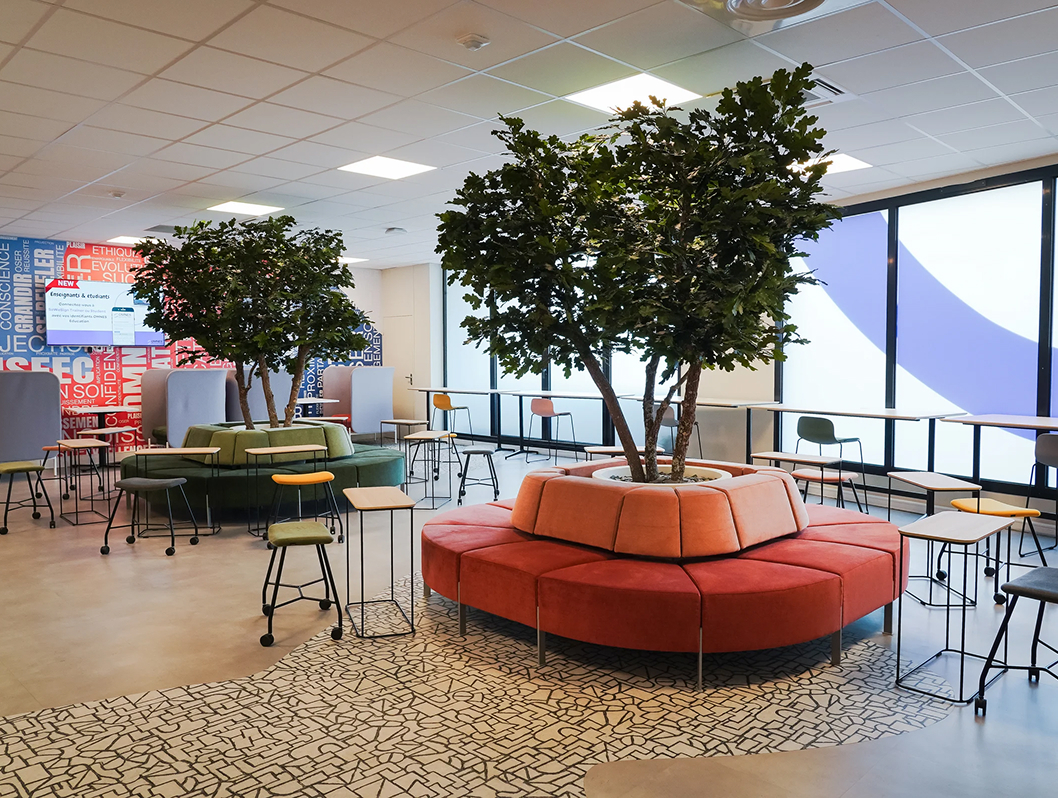

Campus de Lyon
Take advantage of a historic campus in the heart of Lyon, one of France’s most dynamic cultural and student cities.



Campus de Paris
Discover three modern, easily accessible campuses in iconic Paris locations.
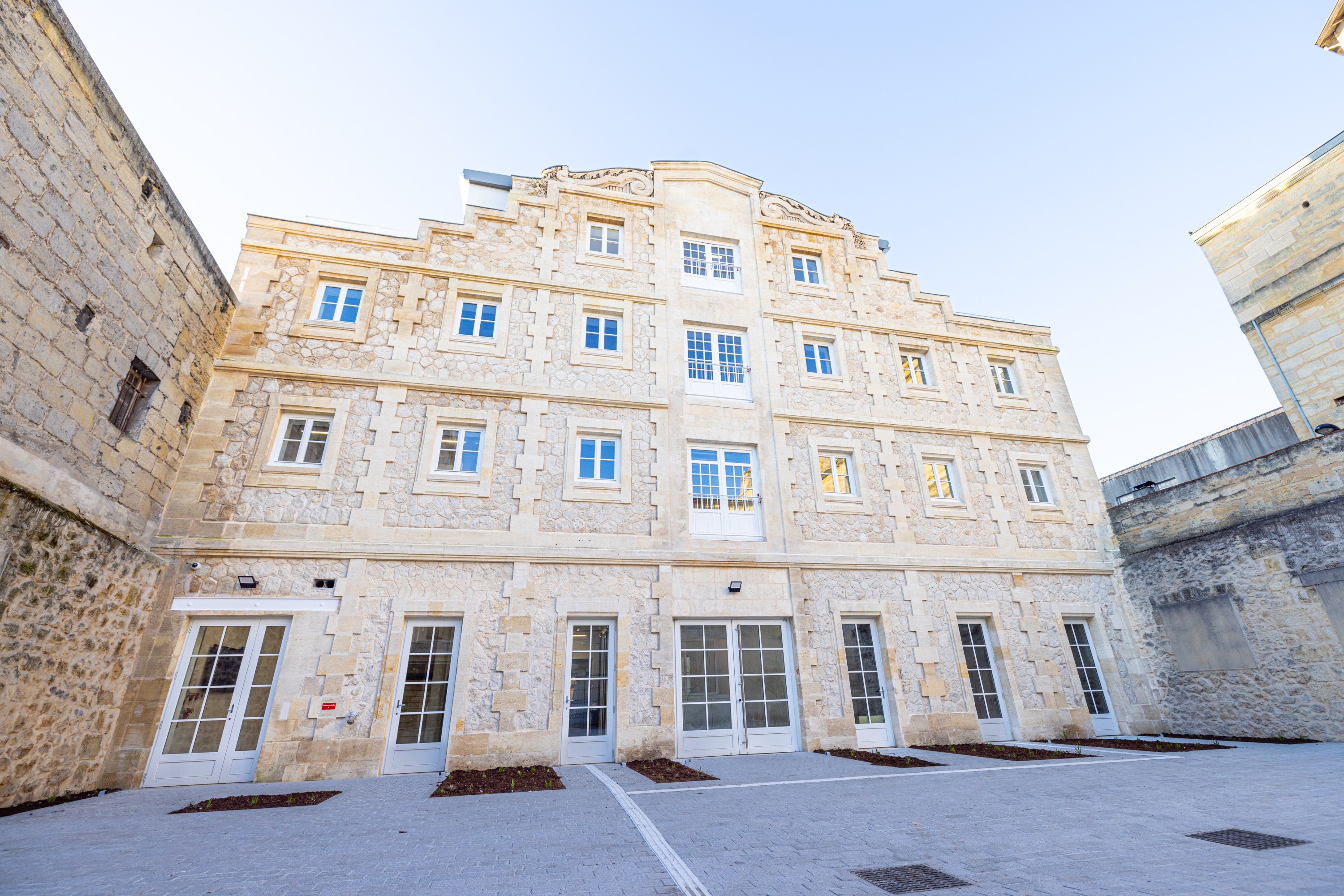


Campus de Bordeaux
Join a modern, friendly campus on the banks of the Garonne, in the heart of a lively, friendly city.

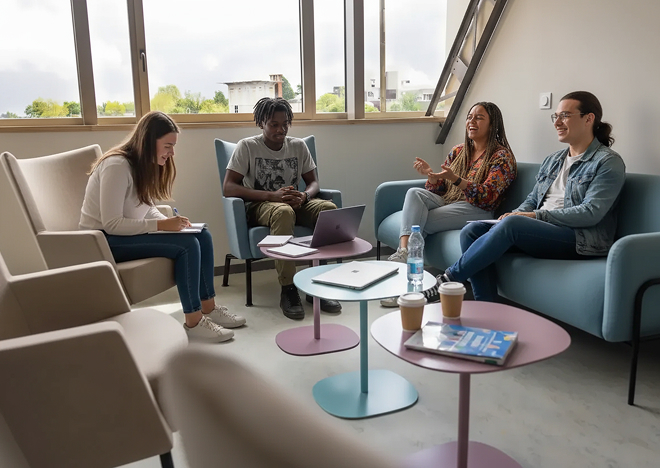

Campus de Rennes
Join a recently refurbished campus in a welcoming, student-friendly town where the energy of Brittany can be felt every day.


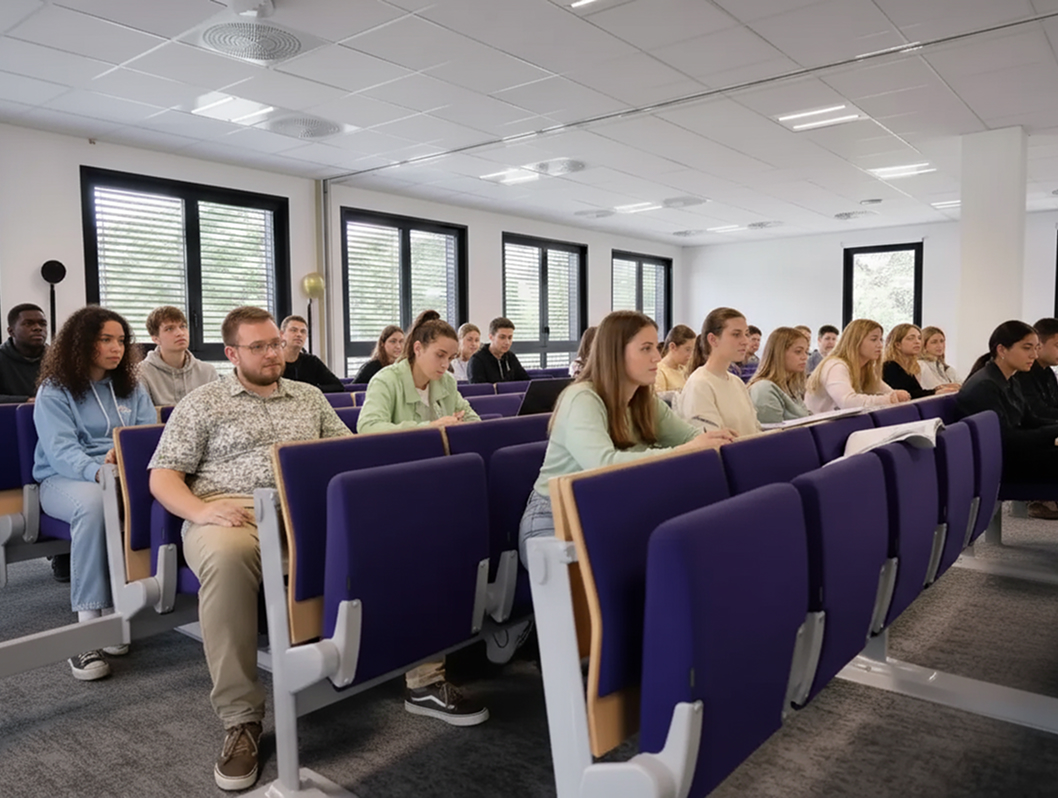
Campus de Toulouse
Study on a bright, modern campus close to the centre and Toulouse’s dynamic economy.

Campus de Chambéry
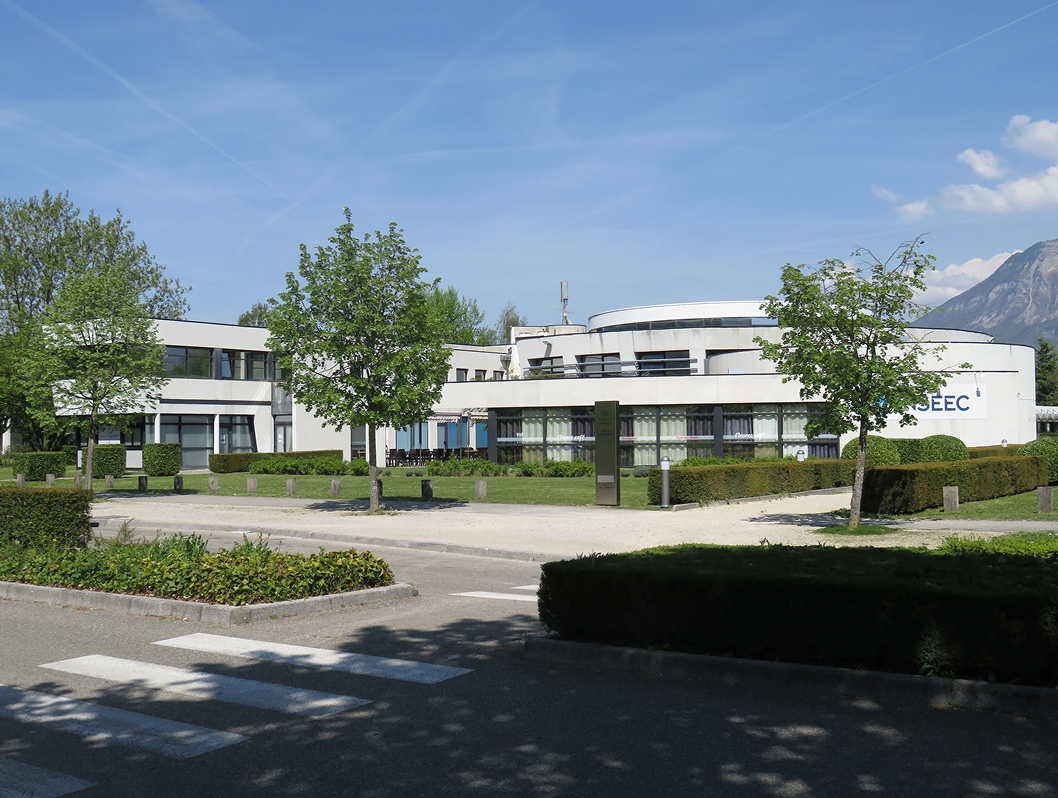
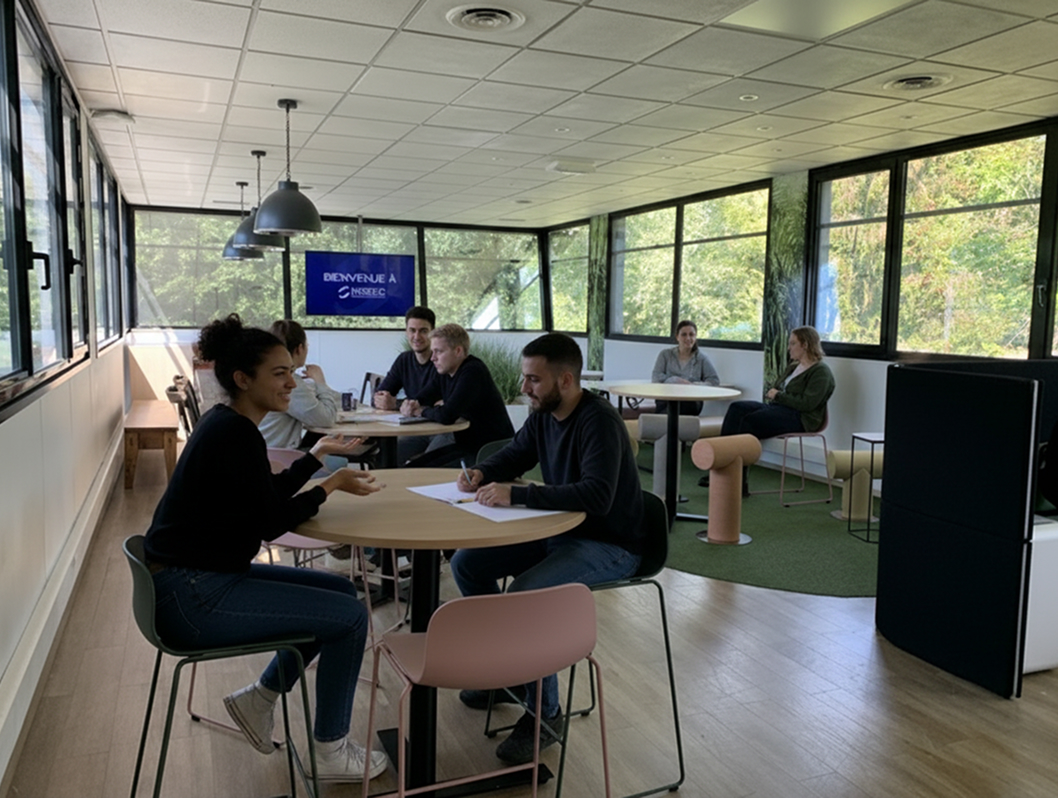
Study between lake and mountains on a unique American-style campus, conducive to a fulfilling student experience.

Campus de Marseille
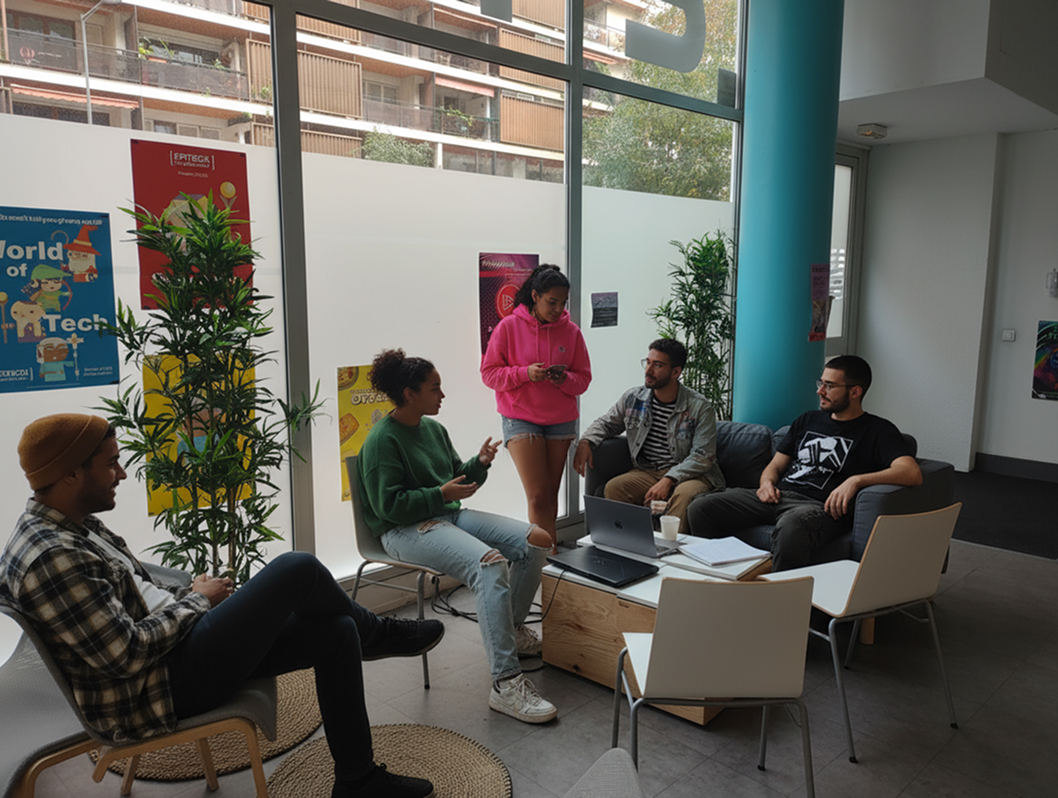
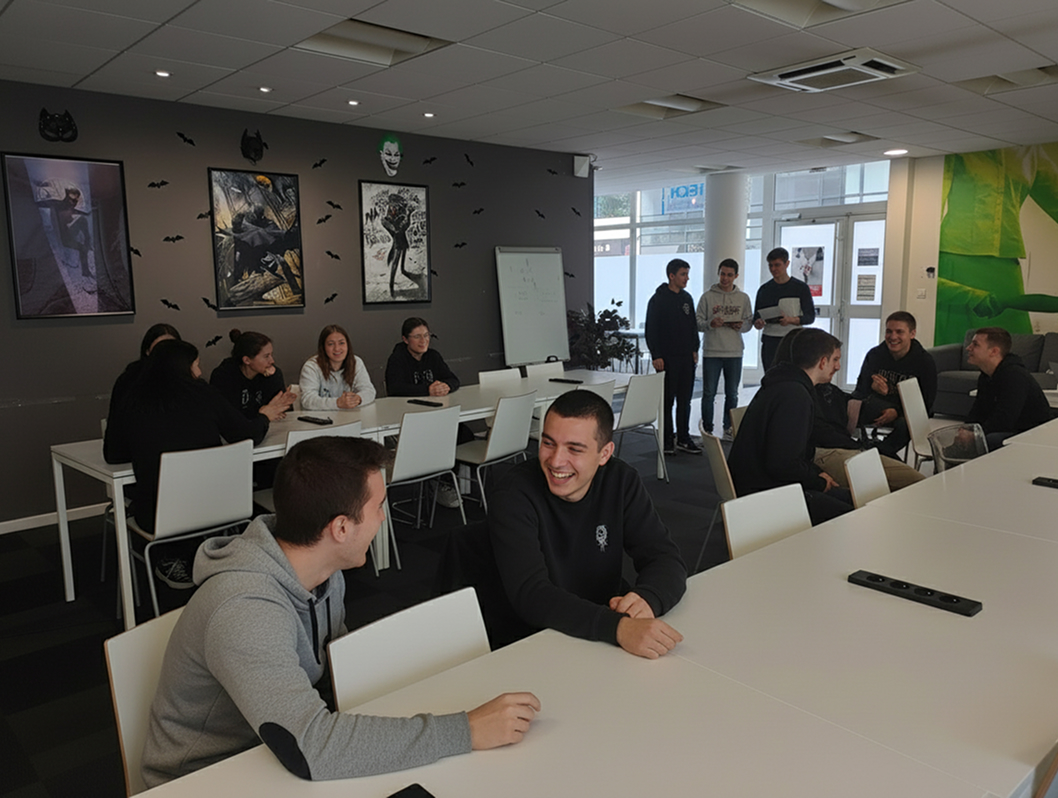
Discover a brand new campus in the heart of Marseille, an energetic Mediterranean city full of contrasts.
The most comprehensive range of training courses
Our Master of Science specialisations

MSc Communication
The Masters of Science specialising in Communication at INSEEC Paris, Lyon, Bordeaux, Marseille and Chambéry train sought-after experts with a curriculum designed for optimum integration into creative and strategic sectors.

MSc Business
INSEEC’s Masters of Science Business programmes train sought-after, multi-skilled managers capable of working in all sectors, on 7 national campuses from Paris to Toulouse.

MSc Data
INSEEC’s Masters of Science in Data train specialists in digital marketing and analysis, capable of working in innovative markets in Paris, Lyon and Bordeaux.

MSc Digital
INSEEC’s Masters of Science in Digital are taught on 7 campuses (Paris, Lyon, Bordeaux, Toulouse, Marseille, Rennes, Chambéry), offering high employability in digital marketing.

MSc Real Estate
INSEEC’s Masters of Science in Real Estate train sought-after experts on 7 national campuses, from Paris to Lyon and Bordeaux, guaranteeing optimal integration into the real estate sector.

MSc International
INSEEC’s Masters of Science in International Management train sought-after managers on 7 campuses, from Paris to Lyon and Bordeaux, offering high employability in international careers.

MSc Luxury
INSEEC’s Masters of Science in Luxury trains sought-after experts on 5 campuses, from Paris to Lyon and Bordeaux, offering high employability in international luxury houses.

MSc Marketing
INSEEC’s Masters of Science in Marketing are taught on 7 campuses (Paris, Lyon, Bordeaux, Toulouse, Marseille, Rennes, Chambéry), offering high employability in strategic marketing.

MSc CSR
INSEEC’s Masters of Science in CSR train sought-after experts in Paris and Bordeaux, offering high employability in companies committed to sustainable transition and social responsibility.

MSc Healthcare
INSEEC’s Master of Science in Health trains highly sought-after managers of healthcare establishments, ready to head up hospital and medico-social structures from Paris to Lyon, via Bordeaux.

MSc Sport
INSEEC’s Master of Science in Sport trains sought-after sports marketing experts, ready to move into the sports industry from Paris to Lyon, via Bordeaux.

MSc Wine
INSEEC’s Master of Science in Wine trains sought-after business experts, ready to develop the wine industry from Paris to Bordeaux via Lyon.

MSc Finance
INSEEC’s Masters of Science in Finance are taught on 7 campuses (Paris, Lyon, Bordeaux, Toulouse, Marseille, Rennes and Chambéry), offering high employability and an extensive professional network.
Visit us at
Our events
Event type
-
MSc
21/03
Open House Days in TouIouse
-
MSc
26/03
Campus Days in Chambéry
-
MSc
01/04
Open House Days Online
FAQ
Questions about INSEEC’s Human Resources Masters?
The top questions asked about INSEEC’s HR specialisation. And if you haven’t found all your answers here, we’d be delighted to hear from you!
Questions about our Human Resources programmes
Are human resources jobs really recruiting young graduates?
Yes, companies are actively looking for young talent to renew their HR teams and bring a fresh perspective to human resources management (HRM) issues.
- Young graduates are quick to find a job in the months following graduation. Work-study programmes and integrated internships facilitate this integration: a very large proportion of graduates are taken on following their apprenticeship contract or internship.
- Companies value profiles that have been trained in the realities of the field and are able to understand the codes of modern management and innovative HR practices.
- Whether in recruitment, training, industrial relations or digital transformation, there are plenty of opportunities for those who know how to combine theoretical knowledge with practical skills.
What soft skills are developed with the INSEEC Master of Science in Human Resources?
In addition to your technical skills in HRM and management, you will develop essential human qualities: empathy to understand employees’ needs, the ability to listen to their expectations and diplomacy to manage sensitive situations.
- You will strengthen your ability to negotiate, manage conflict and demonstrate professional confidentiality.
- The programme also enables you to develop your leadership skills to manage teams, your agility to adapt to changes and your creativity to propose innovative HR solutions.
- These soft skills are an integral part of the curriculum and are decisive for success in the HR function and advancement to management positions. The aim is to train professionals capable of reconciling performance and well-being in the workplace.
How can I finance the Master of Science in Human Resources?
There are several ways of financing your training. Apprenticeship remains the most advantageous solution: your tuition fees are paid by the OPCO and the company, and you receive a salary while gaining practical work experience.
The programme can also be taken as an initial course with long-term paid work placements in HR departments. You can take out student loans with our partners.
Are there any professional speakers or experts from the sector?
Absolutely. The programme includes working professionals from human resources departments, HR consultancies and law firms specialising in employment law.
- These lecturers bring their practical experience to bear through practical courses, real-life case studies and simulated interviews and negotiations. They share their vision of current issues: digital HR transformation, diversity and inclusion, and quality of life at work.
- This proximity to the professional world gives you an insight into the methodologies used in higher education and facilitates access to internship and work-study opportunities. Their expertise covers different areas of the HR function and is a real asset to your career plans.
What is the profile of successful Master of Science in HR students?
The students who excel in this programme combine good interpersonal skills, an interest in human issues and rigorous management. They come from a wide range of backgrounds after 3 or 4 years’ higher education: business schools, universities of psychology, law, sociology or management.
- Profiles with previous experience in HR, associations or management are particularly successful. The important thing is to have an appetite for supporting individuals and organisations, a curiosity to understand social dynamics and an ability to manage complex situations.
- The objectives of the programme are to train HR managers capable of combining the human dimension with organisational performance in a context of constant change.
Is it possible to work abroad with the INSEEC Master of Science in Human Resources?
Yes, human resources skills are in demand internationally and in global organisations. Many courses include an international dimension on comparative HR practices, intercultural management and international mobility management.
- You can do your placements in foreign subsidiaries, multinational groups or international organisations.
- Graduates work in companies on several continents, managing multicultural teams and steering HR projects on a global scale.
- Fluency in English is essential for these international HR careers, where you’ll be applying for positions with a global dimension.
What is the salary after a Master of Science in Human Resources?
Graduates of INSEEC’s Master of Science in HR can expect attractive salaries at the start of their career, generally between €27,000 and €35,000 gross per annum depending on the position and the company.
- After 3 to 5 years’ experience as a recruitment manager, HR development manager or training manager, remuneration ranges from €35,000 to €47,000.
- Experienced HR managers, deputy HR managers and organisational transformation consultants in large companies can earn from €60,000 to €95,000 and more.
- The industry, consulting and services sectors usually offer the most attractive packages. Salary progression is rapid for profiles who have mastered strategic HR management, employment law and digital tools.
Do I need a law degree to succeed in the Master of Science in Human Resources?
No, the MSc in Human Resources is open to a wide range of people with backgrounds in business, management, psychology or the social sciences, after 3 or 4 years’ higher education.
- While a knowledge of employment law is an advantage, the programme gradually builds up the legal foundations needed for the HR function.
- The courses cover applied employment law, industrial relations and HR compliance in an educational and practical way. The aim is to train HR managers capable of working with legal experts, not specialist lawyers.
- What counts most is your interest in human relations, your ability to manage sensitive situations and your desire to support organisational change in a constantly evolving environment.
Does the Master of Science in Human Resources prepare you for professional certification?
Yes, the programme includes preparation for recognised certifications in human resources and management. You can opt for training related to recruitment skills, coaching certifications or payroll management qualifications.
- These professional certifications significantly enhance your diploma and facilitate your integration into HR departments and consultancies. The course enables you to acquire the skills needed for these qualifications, which are highly valued by employers.
- The support provided by working professionals and the practical case studies will prepare you effectively for the requirements of these certifications, which are recognised in the human resources and organisation management sectors.
What is the admission procedure for the Master of Science in Human Resources?
Candidates with a Bac +3 or Bac +4 are admitted in several stages.
- Submit your application online (diploma, transcripts, CV, covering letter).
- A panel examines your application. If your application is accepted, you will receive an eligibility e-mail and an invitation to an individual interview.
- This interview enables us to assess your motivation, your career plans in HR and your suitability for the programme. The process managed by the admissions department aims to identify students with the potential to succeed in this demanding field, which combines a human dimension with rigorous management.
- You can apply for the first year (MSc 1) or directly for the second year (MSc 2), depending on your level and previous experience in human resources or management.