


MSc International
INSEEC’s Masters of Science in International Management train sought-after managers on 7 campuses, from Paris to Lyon and Bordeaux, offering high employability in international careers.
- Develop a global vision of world business
- Master English and intercultural management
- Obtain an RNCP level 7 qualification
- Fast-track to international careers

Average starting salary
France’s ranking among the world’s exporters
Growth in export volume
French exporting companies
What is a Master of Science International at INSEEC?
INSEEC’s Master of Science International is a state-recognised programme that prepares you to work in a global, multicultural environment. It is aimed at those who wish to develop skills in international management, business and strategy.
Thanks to an approach that combines business expertise, cultural openness and work-study experience, you will learn to manage projects on a global scale, work with international teams and understand the economic challenges of foreign markets.
This specialisation is available on the INSEEC campuses in Bordeaux, Chambéry, Lyon, Marseille, Paris, Rennes and Toulouse. Whether you study international management in Paris, Europe’s economic hub, in Lyon with its multinational companies, or on one of our seven campuses, you benefit from a network of partner companies on every continent.
Throughout your course, you will develop skills in global strategy, international trade, intercultural management, international negotiation and market development. In the following sections, discover the major themes covered in this INSEEC specialisation.
International Trade and Export Development
Conquering global markets
International trade is the driving force behind business growth in the age of globalisation. This specialisation trains you in export strategies, prospecting for new markets and managing international operations. You will learn how to identify opportunities, adapt your offer to local conditions and manage international business development.
You will master intercultural negotiation techniques, the drafting of international contracts, incoterms and customs regulations. You’ll also learn how to manage foreign exchange risks, choose secure payment methods and structure commercial partnerships. These skills will open the door to positions as export manager, international business developer, export zone manager or international business development manager in exporting SMEs, major groups and international traders.
Intercultural Management
Leading in diversity
Intercultural management has become a key skill in a globalised business world. This orientation trains you to lead multicultural teams, to understand cultural codes and to create cohesion in diversity. You will develop the cultural intelligence needed to succeed in complex international environments.
You will learn to adapt your leadership style to different cultures, to manage differences in communication and decision-making, to resolve intercultural conflicts and to create an inclusive corporate culture. You will also master remote collaboration tools, project management with geographically dispersed teams and motivation techniques in a multicultural context. This expertise will prepare you to become an international manager, subsidiary director, global operations manager or intercultural management consultant.
Global Strategy and International Expansion
Steering global growth
Internationalisation strategy is a major challenge for companies seeking to expand. This specialisation trains you to design and implement international expansion strategies, assess market opportunities and manage foreign operations. You will develop the 360° strategic vision that is essential for management positions.
You will learn how to carry out international market research, choose the right entry methods (subsidiary, joint venture, franchise), analyse geopolitical risks and draw up expansion business plans. You will also be proficient in managing transnational projects, international tax optimisation and managing multiple geographical zones. These skills will open the door to positions as international development manager, zone director, global strategy consultant or director of international operations in growing multinationals and scale-ups.
Skills developed
- Expanding internationally
- Negotiating in a multicultural environment
- Analysing markets
- Managing global teams
- Managing exports
- Mastering regulations
- Developing a global strategy
Our training courses
INSEEC Masters of Science International
INSEEC offers Masters of Science International programmes, either initial or sandwich courses, to develop your expertise in global business and your employability. Choose the course that suits you best.
Testimonials
What our students say
-

After completing my MSc at INSEEC, I started at Bosch as a Strategic Marketing Analyst, before joining Oracle as an EMEA Business Development Consultant. The skills I acquired at INSEEC enabled me to build this international career path, which led me to my current position at Google.
 Nabil AbdelhalimIndustry Manager
The professions
Career opportunities for a Master of Science International
INSEEC’s Master of Science International gives access to strategic careers in export trade, global management and international development, with rapid integration and attractive career prospects.
Study in the heart of France’s major cities
Our campuses
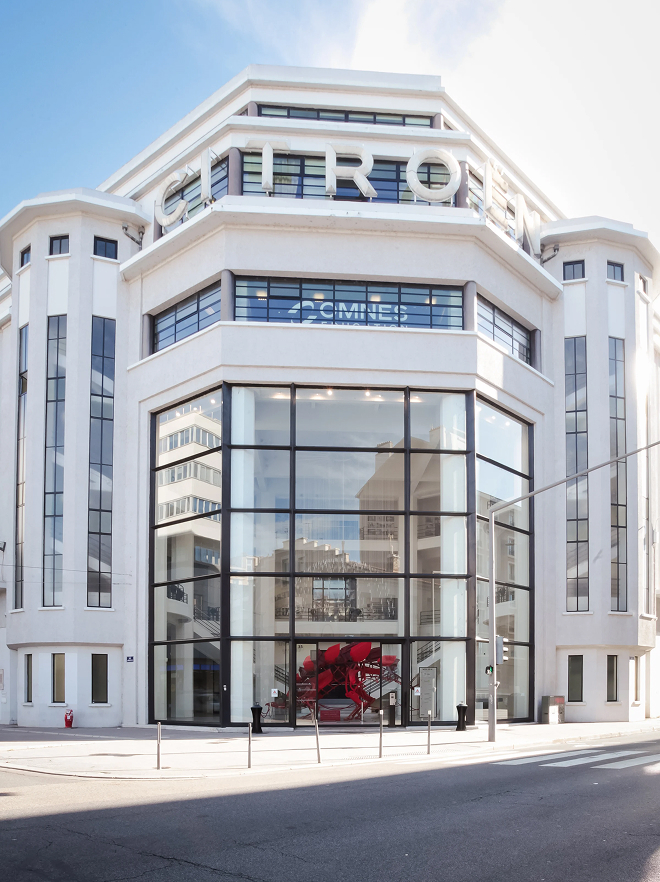
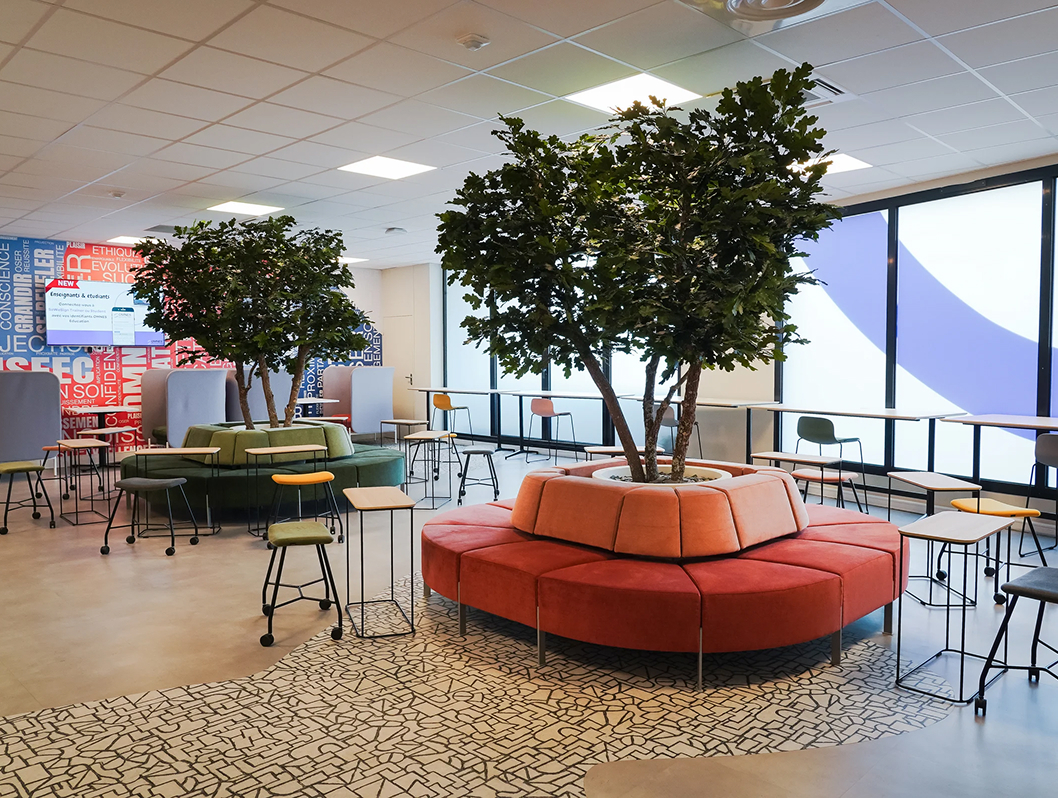
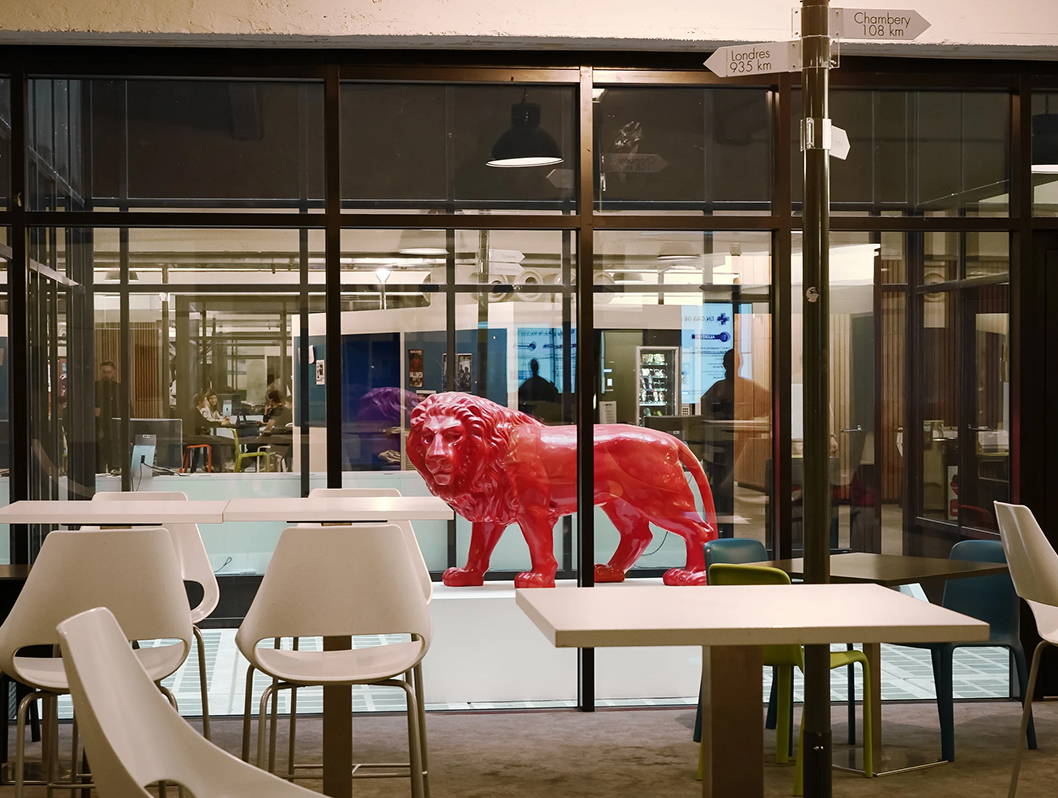
Campus de Lyon
Take advantage of a historic campus in the heart of Lyon, one of France’s most dynamic cultural and student cities.


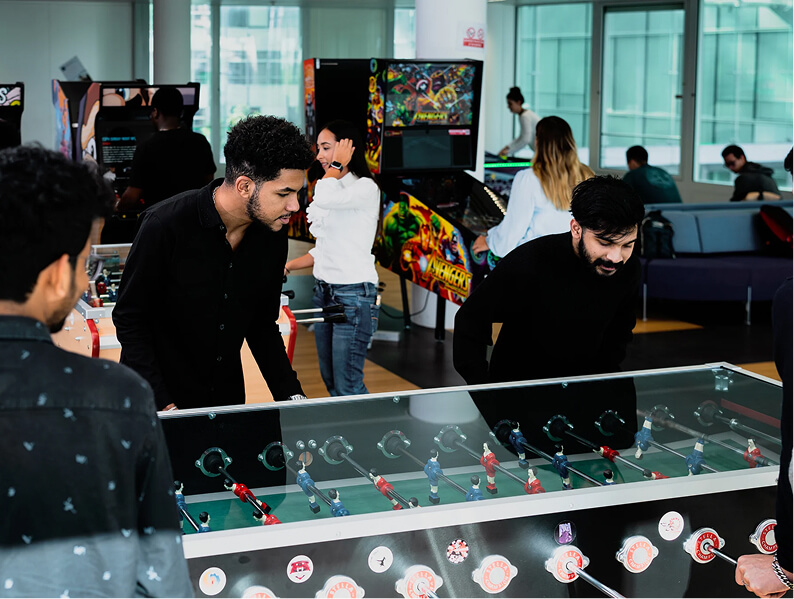
Campus de Paris
Discover three modern, easily accessible campuses in iconic Paris locations.
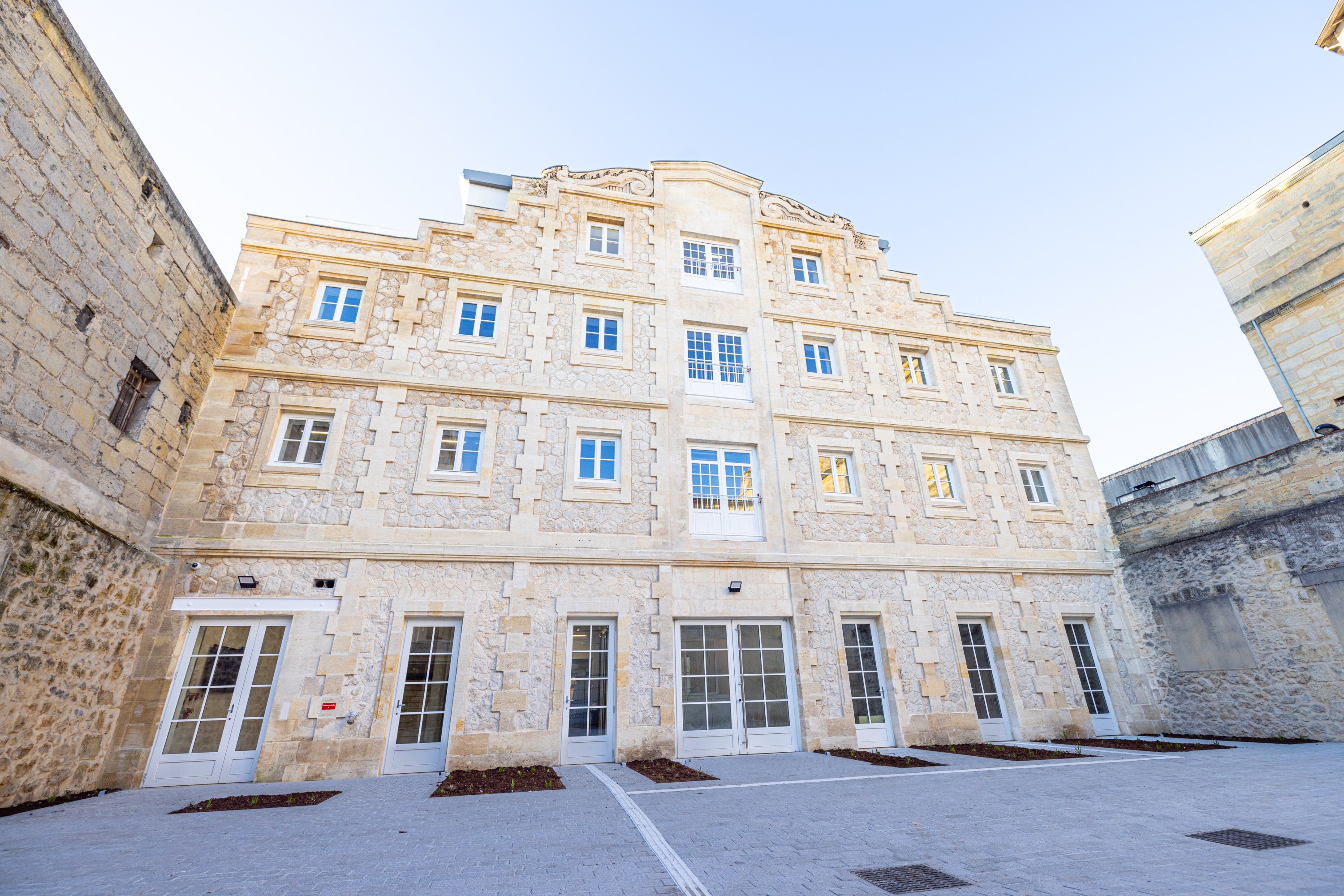


Campus de Bordeaux
Join a modern, friendly campus on the banks of the Garonne, in the heart of a lively, friendly city.
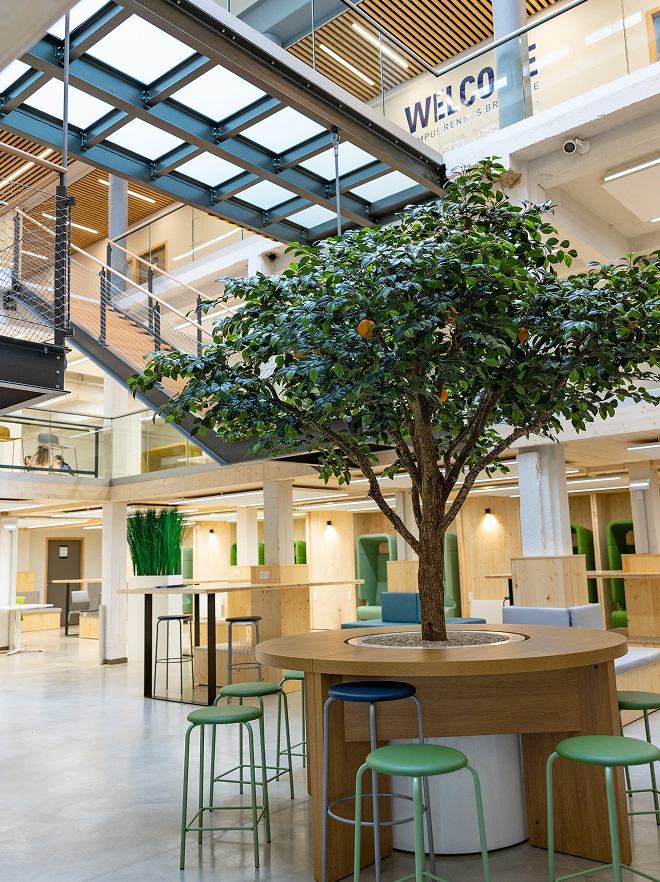
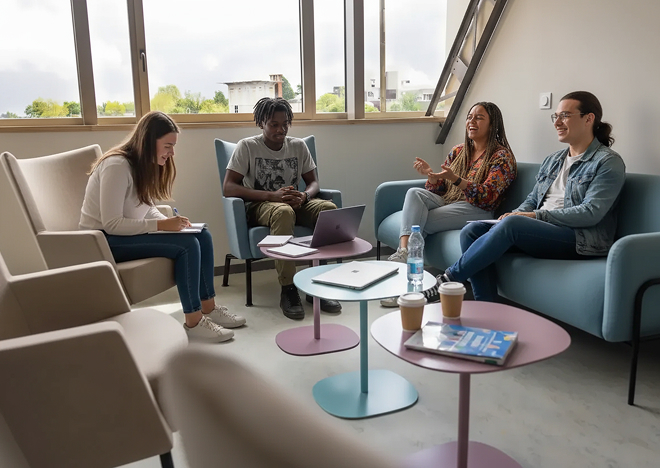

Campus de Rennes
Join a recently refurbished campus in a welcoming, student-friendly town where the energy of Brittany can be felt every day.


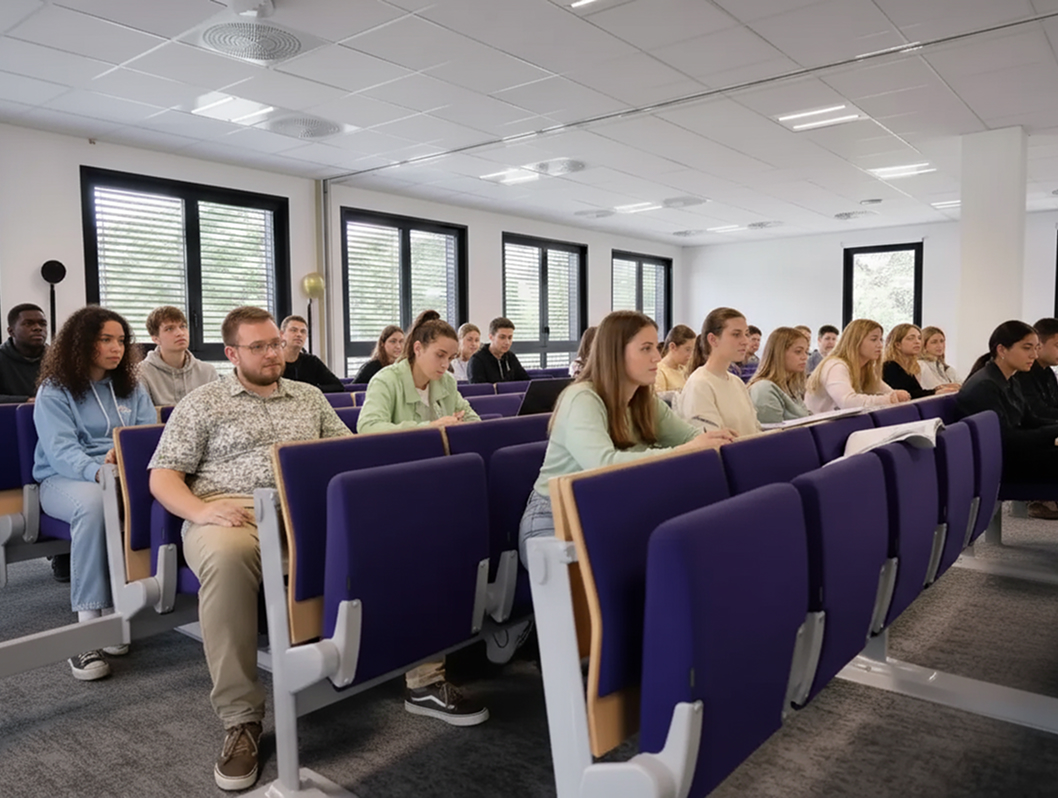
Campus de Toulouse
Study on a bright, modern campus close to the centre and Toulouse’s dynamic economy.

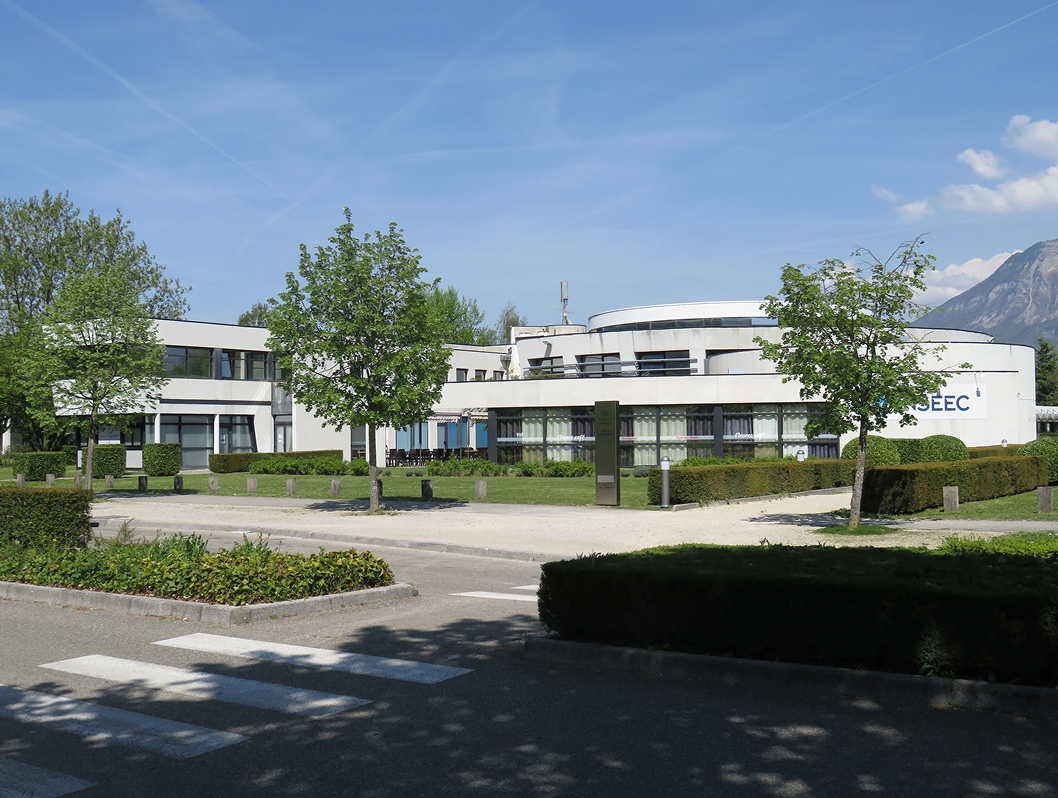
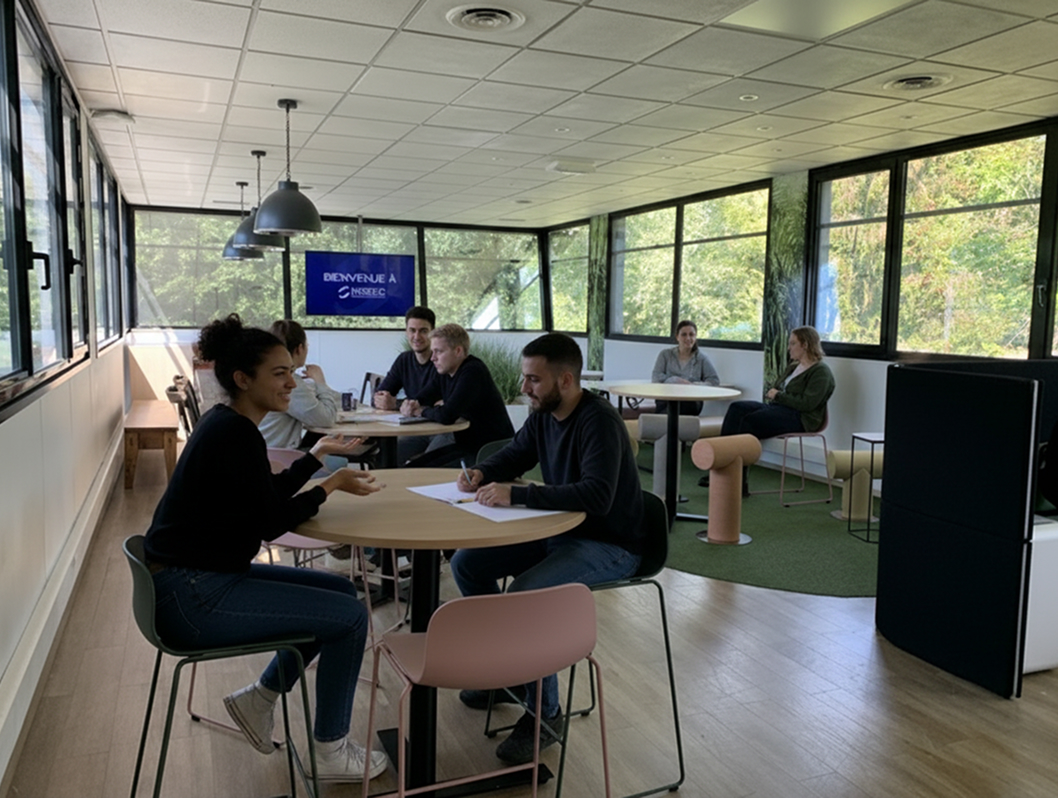
Campus de Chambéry
Study between lake and mountains on a unique American-style campus, conducive to a fulfilling student experience.
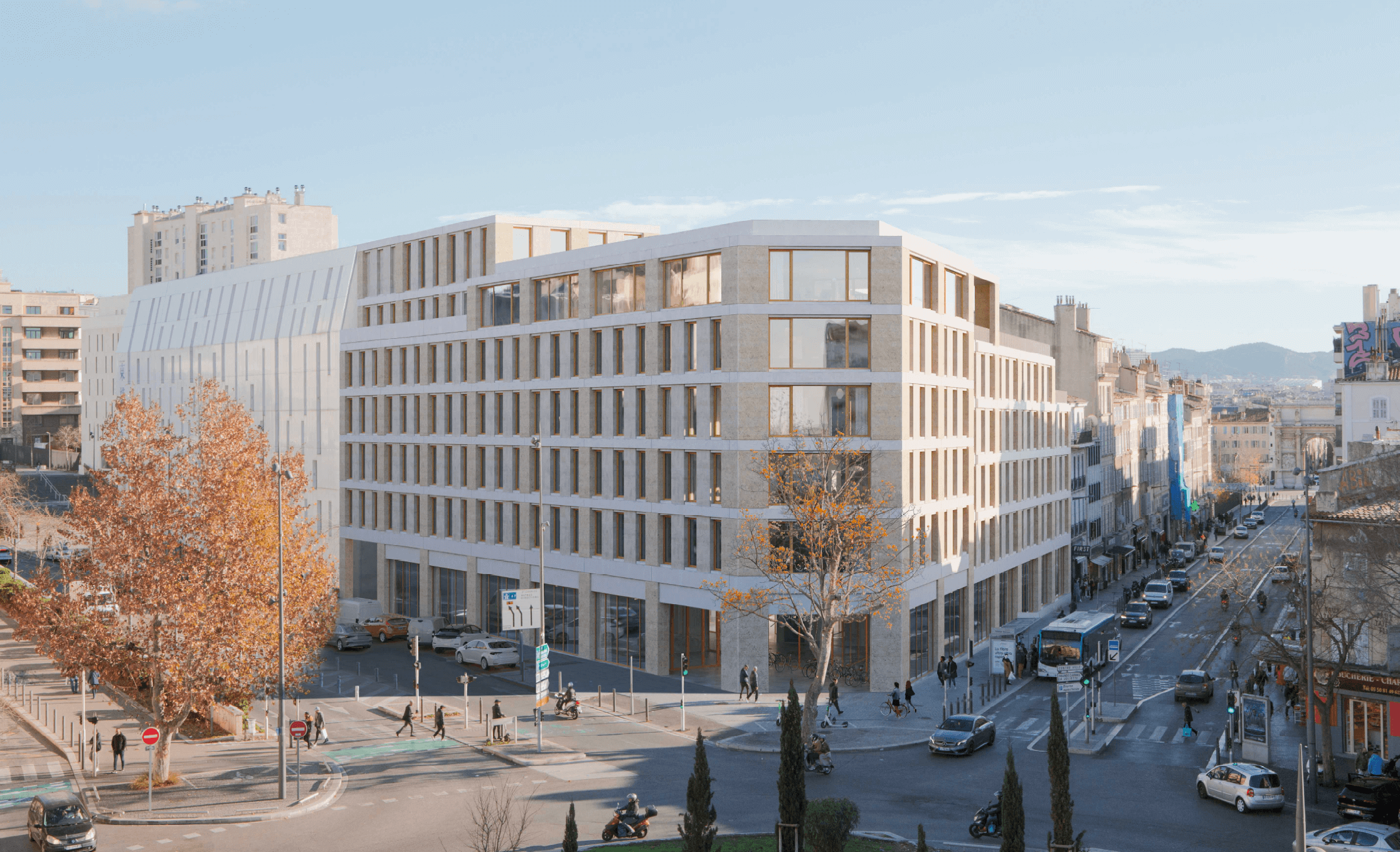
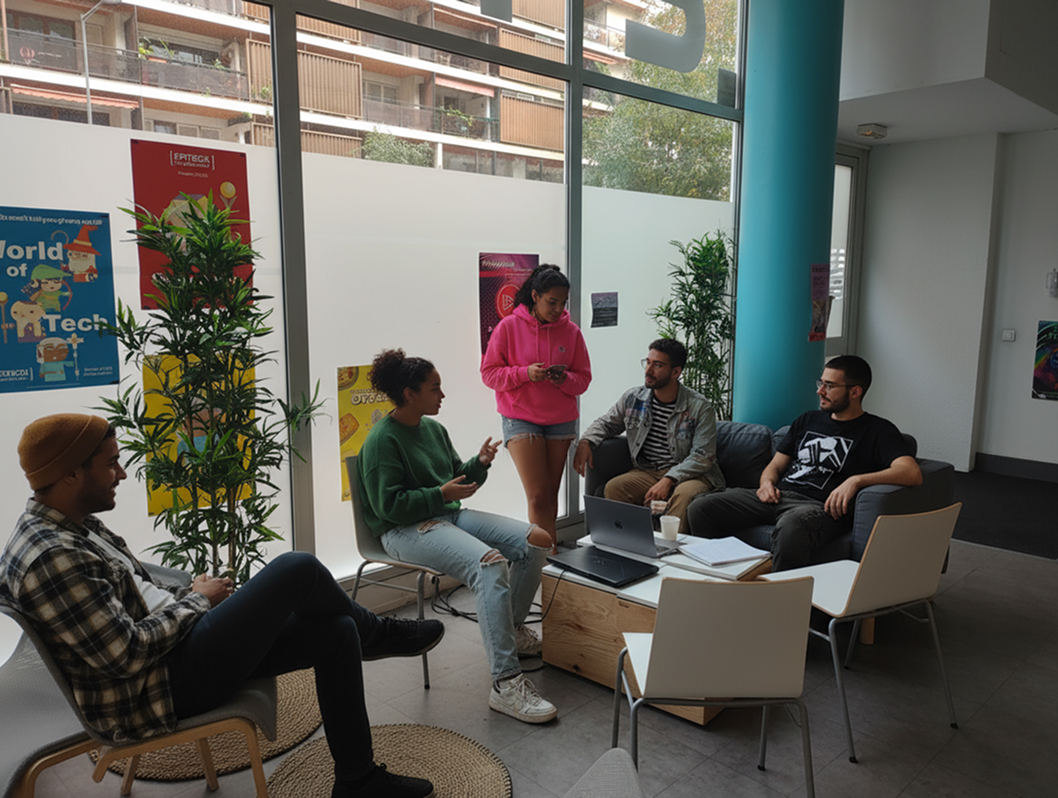
Campus de Marseille
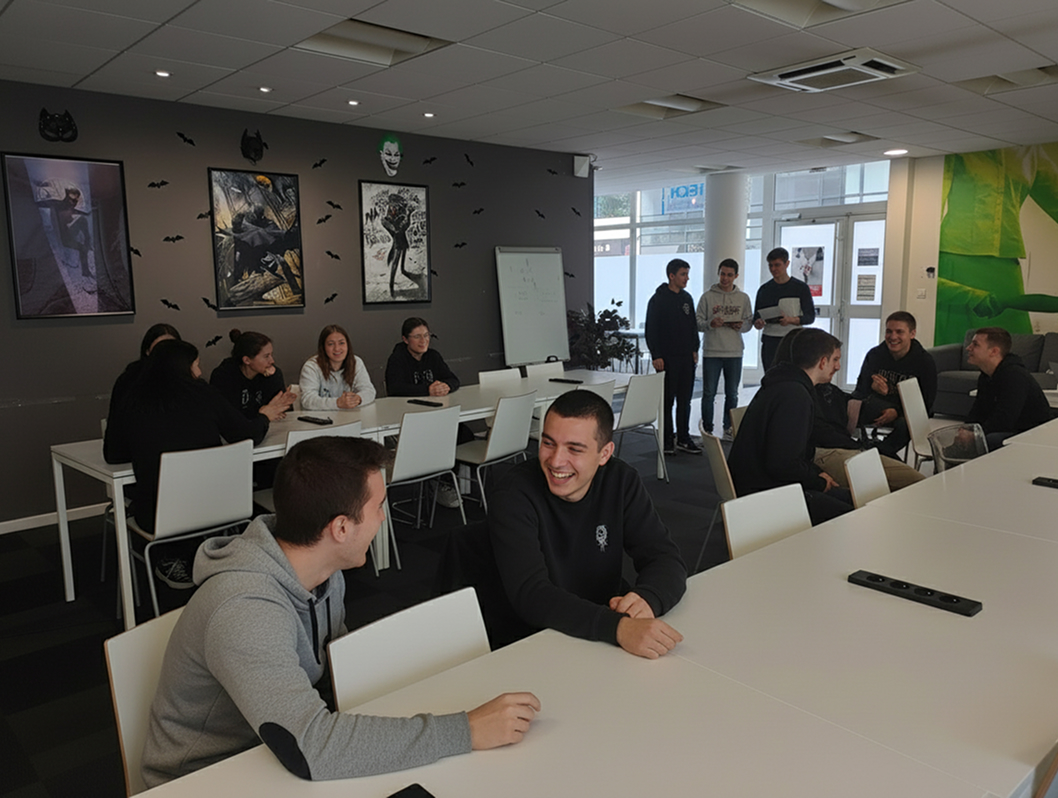
Discover a brand new campus in the heart of Marseille, an energetic Mediterranean city full of contrasts.
The most comprehensive range of training courses
Our Master of Science specialisations

MSc Communication
The Masters of Science specialising in Communication at INSEEC Paris, Lyon, Bordeaux, Marseille and Chambéry train sought-after experts with a curriculum designed for optimum integration into creative and strategic sectors.

MSc Business
INSEEC’s Masters of Science Business programmes train sought-after, multi-skilled managers capable of working in all sectors, on 7 national campuses from Paris to Toulouse.

MSc Data
INSEEC’s Masters of Science in Data train specialists in digital marketing and analysis, capable of working in innovative markets in Paris, Lyon and Bordeaux.

MSc Digital
INSEEC’s Masters of Science in Digital are taught on 7 campuses (Paris, Lyon, Bordeaux, Toulouse, Marseille, Rennes, Chambéry), offering high employability in digital marketing.

MSc Real Estate
INSEEC’s Masters of Science in Real Estate train sought-after experts on 7 national campuses, from Paris to Lyon and Bordeaux, guaranteeing optimal integration into the real estate sector.

MSc Luxury
INSEEC’s Masters of Science in Luxury trains sought-after experts on 5 campuses, from Paris to Lyon and Bordeaux, offering high employability in international luxury houses.

MSc Marketing
INSEEC’s Masters of Science in Marketing are taught on 7 campuses (Paris, Lyon, Bordeaux, Toulouse, Marseille, Rennes, Chambéry), offering high employability in strategic marketing.

MSc Human Resources
INSEEC’s Masters of Science in Human Resources train sought-after experts on 7 campuses, from Paris to Lyon and Bordeaux, offering high employability in all HR sectors.
MSc CSR
INSEEC’s Masters of Science in CSR train sought-after experts in Paris and Bordeaux, offering high employability in companies committed to sustainable transition and social responsibility.

MSc Healthcare
INSEEC’s Master of Science in Health trains highly sought-after managers of healthcare establishments, ready to head up hospital and medico-social structures from Paris to Lyon, via Bordeaux.
MSc Sport
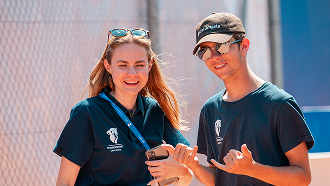
INSEEC’s Master of Science in Sport trains sought-after sports marketing experts, ready to move into the sports industry from Paris to Lyon, via Bordeaux.

MSc Wine
INSEEC’s Master of Science in Wine trains sought-after business experts, ready to develop the wine industry from Paris to Bordeaux via Lyon.

MSc Finance
INSEEC’s Masters of Science in Finance are taught on 7 campuses (Paris, Lyon, Bordeaux, Toulouse, Marseille, Rennes and Chambéry), offering high employability and an extensive professional network.
Visit us at
Our events
-
MSc
21/03
Open House Days in TouIouse
-
MSc
26/03
Campus Days in Chambéry
-
MSc
01/04
Open House Days Online
FAQ
Questions about INSEEC’s Masters of Science in International Studies?
Find the answers to the most frequently asked questions about this specialisation. Still have a question? Contact us, we’re here to help.
Questions about our International programmes
How can I finance the Master of Science International?
Your Master of Science International can be financed in different ways. Apprenticeship is the best option: as well as earning a salary, your tuition fees will be covered by the OPCO and the company, while you gain significant professional experience in international business.
The course can also be taken as an initial course with long-term placements. You can take out student loans with partner banks.
The programme enables you to acquire skills in global business and intercultural management while being paid during your year of study at this recognised business school.
What is the profile of successful Master of Science International students?
The students who excel on this programme combine cultural openness, international mobility and an interest in global business. They come from a wide range of backgrounds: business schools, universities specialising in economics, languages, political science or management after 3 or 4 years of higher education.
Profiles that have already had experience abroad (studies, work placements, stays) or that speak several languages are particularly successful. The most important thing is to have a curiosity about different world markets, cultures and their impact on economic activity.
The ability to adapt quickly, to communicate in English and to work in multicultural environments is a major asset for graduating and succeeding in international development.
What is the salary after a Master of Science International?
Graduates of the Master of Science International can look forward to attractive salaries at the start of their career, generally between €33,000 and €48,000 gross per annum, depending on the position and the company. After 3 to 5 years’ experience as an international business developer, export manager or area manager, salaries rise to between €45,000 and €65,000.
Experienced profiles working as geographical area managers, international operations managers or export managers in large groups can earn €80,000 to €100,000 and more. The international trade, industry and consultancy sectors generally offer the most attractive packages.
Salary progression is rapid for profiles with a command of several languages, cultural codes and international regulations.
Are there any professional speakers or experts from the sector?
Absolutely. INSEEC programmes include working professionals from multinational groups, exporting SMEs, international strategy consultancies and foreign trade organisations.
These speakers bring their practical experience to bear through hands-on lessons, real case studies from different markets and intercultural negotiation simulations. They share their vision of current issues: the digitalisation of international trade, geopolitics, new trade routes and adapting to emerging markets.
This close relationship with the business world gives students an insight into the methodologies used in companies and facilitates access to internship and work-study opportunities. Their expertise covers the different areas of international business: export, implementation, multicultural management and global strategy.
Is international business a sector for the future?
Yes, international business remains an essential growth driver for companies. The globalisation of trade, the emergence of new markets and digitalisation are creating new opportunities for professionals who have mastered the codes of world trade.
Skills in international development, intercultural negotiation and management of geographical areas are in great demand. The INSEEC Master of Science International prepares you for these changes with content tailored to the new challenges: cross-border e-commerce, international regulations, corporate social responsibility on a global scale.
Career prospects are excellent for graduates who are capable of working in complex, multicultural environments, whether in large groups or SMEs undergoing internationalisation.
Can I work abroad with the INSEEC Master of Science International?
Yes, that’s precisely the central objective of this programme! The course prepares you specifically for careers abroad and international positions. Many courses are taught in English, and the curriculum encourages mobility during the year.
You can do your work placements or sandwich courses in foreign subsidiaries, exporting companies or international organisations. INSEEC maintains partnerships with universities on every continent, enabling academic exchanges. Graduates work in multinationals, join VIEs (Volontariat International en Entreprise) or set up their own international business.
The programme validates 120 internationally-recognised ECTS credits, facilitating your professional mobility worldwide. You’ll develop global employability thanks to the 60 ECTS credits per year that structure your course.
What soft skills are developed with the INSEEC Master of Science International?
As well as technical skills in international trade and global management, you will develop essential qualities: cultural intelligence to understand and respect differences, adaptability to work in a variety of contexts, and intercultural communication to interact effectively with people of all nationalities.
You will develop your open-mindedness, your ability to negotiate in complex environments and your agility in the face of geopolitical change. The programme will also help you develop your international network, your diplomatic skills and your ability to make decisions in the face of uncertainty.
These soft skills are decisive if you are to succeed in international management positions and progress to the management of geographical areas or subsidiaries abroad.
Do you need to speak several languages to succeed in a Master of Science International?
Fluency in English is essential and is the minimum requirement for admission to the programme. Ideally, a third language (Spanish, Mandarin, German, Arabic) will be a major advantage in gaining access to the best positions and strategic geographical areas. The content of the programme includes language courses and encourages language improvement.
In international business, language is not just a communication tool: it reflects a deep cultural understanding of markets. The more languages you master, the more professional opportunities you’ll have and the more you’ll be able to aspire to positions of responsibility in different countries. The programme helps you strengthen your language skills through courses taught by international speakers and multicultural team projects.
Does the Master of Science International prepare you for professional qualifications?
Yes, the programme includes preparation for recognised qualifications in international business. You can prepare for certifications in foreign trade, international project management or international negotiation, depending on your career orientation.
The curriculum enables students to acquire the skills needed for these professional qualifications. The programmes are structured to validate academic credits while developing practical expertise that is recognised by international employers. These certifications significantly strengthen your degree and facilitate your integration into exporting companies, multinationals and international organisations.
Personalised support and courses taught by working professionals will prepare you effectively for the requirements of these qualifications, which are highly valued on the global job market.
What is the admission procedure for the INSEEC Master of Science International?
The admissions process is open to applicants with 3 or 4 years’ higher education and involves several stages. Once you have submitted your full application (diploma, transcripts, CV and covering letter), a panel will assess it. If your application is accepted, you will be notified by email of your eligibility and invited to attend a personal interview.
This interview assesses your motivation, your international career plans and your ability to work in a multicultural environment. The aim is to select candidates with the qualities needed to excel in the demanding global business sector.
Admission can be to the first year (MSc 1) of a two-year course, or directly to the second year (MSc 2), depending on your level and previous international experience. Applicants can consult the available brochures for full details of the process.