


MSc Finance
INSEEC’s Masters of Science in Finance are taught on 7 campuses (Paris, Lyon, Bordeaux, Toulouse, Marseille, Rennes and Chambéry), offering high employability and an extensive professional network.
- Develop internationally recognised expertise
- Integrate the best financial departments quickly
- Benefit from an extensive professional network
- Training available in 7 cities

average annual salary of an entry-level customer adviser
of jobs are held by women
employees
of employees on permanent contracts
What is a Master of Science in Finance at INSEEC?
The Master of Science in Finance trains experts capable of managing complex financial projects and taking strategic decisions within companies or institutions. This programme combines academic excellence, technical expertise and corporate experience to prepare you for positions of high responsibility. You will develop skills in financial analysis, portfolio management, corporate finance, management control and financial engineering, while learning to model, evaluate and optimise the financial performance of organisations.
This specialisation is available on the INSEEC campuses in Bordeaux, Chambéry, Lyon, Marseille, Paris, Rennes and Toulouse. Whether you study finance in Paris, Europe’s financial capital, in Lyon, a major banking centre, or on one of our other national campuses, you will benefit from an environment that is connected to the players in the sector.
This Master of Science prepares you for strategic and progressive positions: financial analyst, management controller, consultant, M&A manager or financial director. Find out more about the main areas of expertise below.
Financial Analysis and Corporate Finance
Strategic operations expertise
Financial analysis and corporate finance are at the heart of strategic business decisions. This specialisation trains you to value companies, structure mergers and acquisitions and manage complex investment projects.
You are proficient in advanced financial modelling and valuation techniques.
You will learn to analyse the financial health of organisations, build solid business plans, structure LBOs and manage due diligence.
You will develop a strategic vision of equity transactions and understand the issues involved in creating value. These skills pave the way for strategy consultancies, the M&A departments of investment banks and the finance departments of major groups.
Management Control and Performance
Steering and optimising strategy
Modern management control goes beyond a simple reporting function to become a genuine strategic partner for management. This orientation trains you in performance management, the development of decision-making dashboards and the optimisation of financial processes in a digitalised environment.
You will develop skills in business partnering, dynamic budgeting, variance analysis and advanced financial reporting. You will learn to use data analytics tools to identify performance drivers and support organisational transformation.
You are familiar with management information systems and understand the challenges of agile finance. These are essential skills if you are to become a senior management controller, head of management control or deputy finance director.
Financial Engineering and Markets
Managing financial complexity
Financial engineering and markets represent the most technical and sophisticated dimension of finance. This specialisation immerses you in the world of structured products, complex derivatives and quantitative portfolio management. You will develop expertise that is sought after by leading financial institutions.
You will learn to design and value derivatives, manage market risks, build investment strategies and optimise multi-asset portfolios. You will master mathematical models, pricing tools and advanced hedging techniques.
This technical expertise opens doors to trading rooms, asset management companies, structuring departments and risk management functions in international market finance.
Skills developed
- Managing financial strategy
- Assessing a company
- Structuring complex operations
- Optimising performance
- Managing risks
- Mastering financial engineering
- Analysing markets
Our training courses
INSEEC Masters of Science in Finance
INSEEC’s Masters of Science in Finance combine academic excellence with business expertise. Choose yours and develop the strategic and practical skills you need to work in corporate finance or the financial markets.
-
- 1st year postgraduate
- 3rd year undergraduate
MSc International Financial Analyst
-
- 1st year postgraduate
- 3rd year undergraduate
MSc Risk Management, Control & Compliance
-
- 1st year postgraduate
- 3rd year undergraduate
MSc Financial Markets, Trading & Risk Management
-
- 1st year postgraduate
- 3rd year undergraduate
MSc Financial Manager, Banking & Insurance
-
- 1st year postgraduate
- 3rd year undergraduate
MSc Wealth Management
-
- 1st year postgraduate
- 3rd year undergraduate
MSc in Taxation, Business Law, Business Consulting & Management
Testimonials
What our students say
-
The advantage of having attended INSEEC is that you get to build a network and gain valuable professional experience through internships and work-study programs.
 Loïc R.Entrepreneur
Professions
Career opportunities for a Master of Science in Finance
The INSEEC Master of Science in Finance trains sought-after experts in corporate finance, M&A and financial markets, guaranteeing immediate employability at a high level.
Study in the heart of France’s major cities
Our campuses



Campus de Lyon
Take advantage of a historic campus in the heart of Lyon, one of France’s most dynamic cultural and student cities.


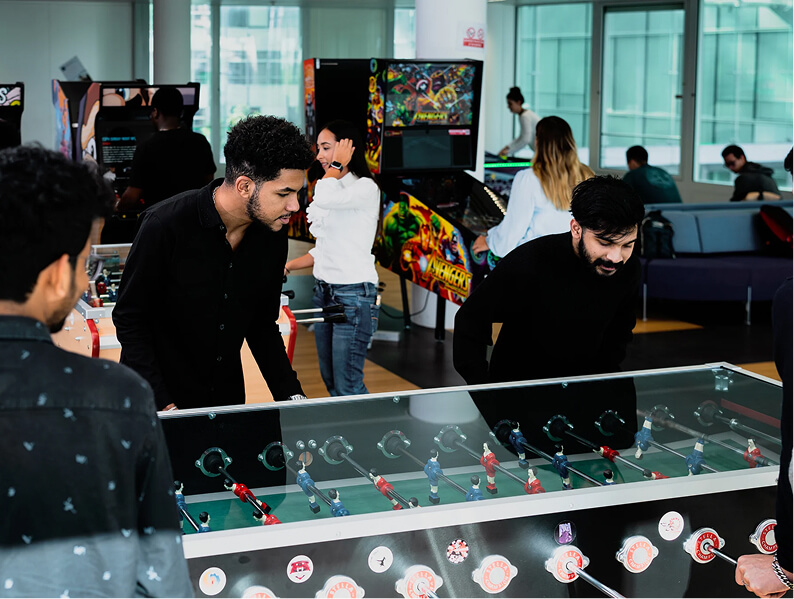
Campus de Paris
Discover three modern, easily accessible campuses in iconic Paris locations.
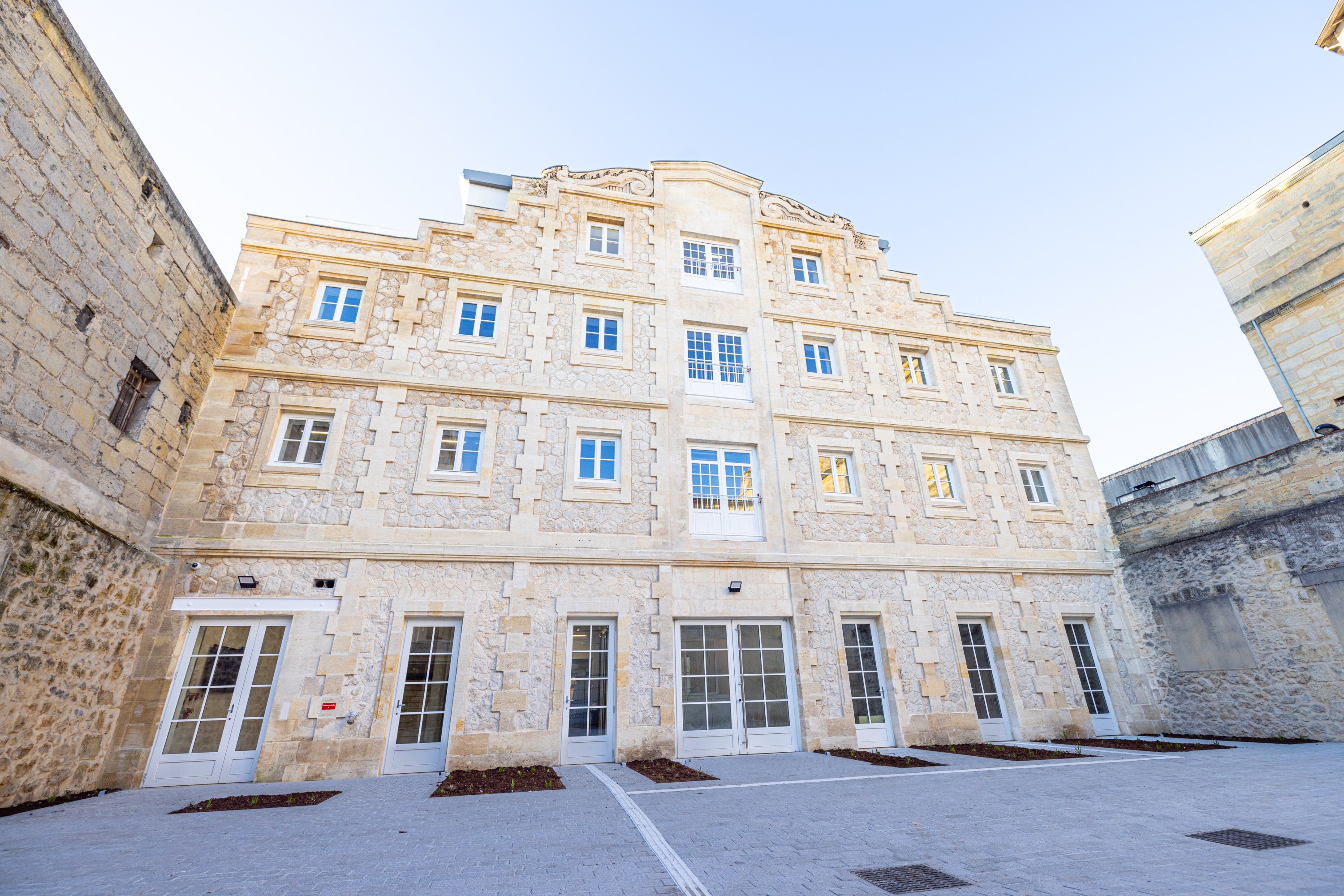


Campus de Bordeaux
Join a modern, friendly campus on the banks of the Garonne, in the heart of a lively, friendly city.



Campus de Rennes
Join a recently refurbished campus in a welcoming, student-friendly town where the energy of Brittany can be felt every day.


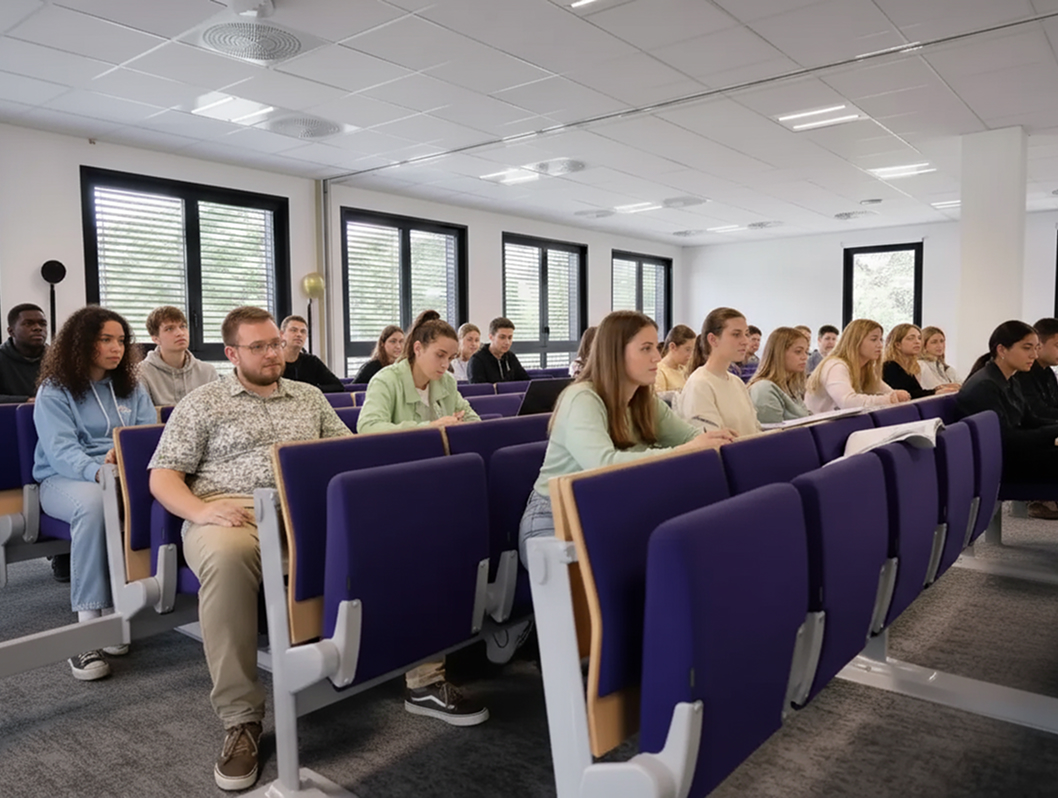
Campus de Toulouse
Study on a bright, modern campus close to the centre and Toulouse’s dynamic economy.

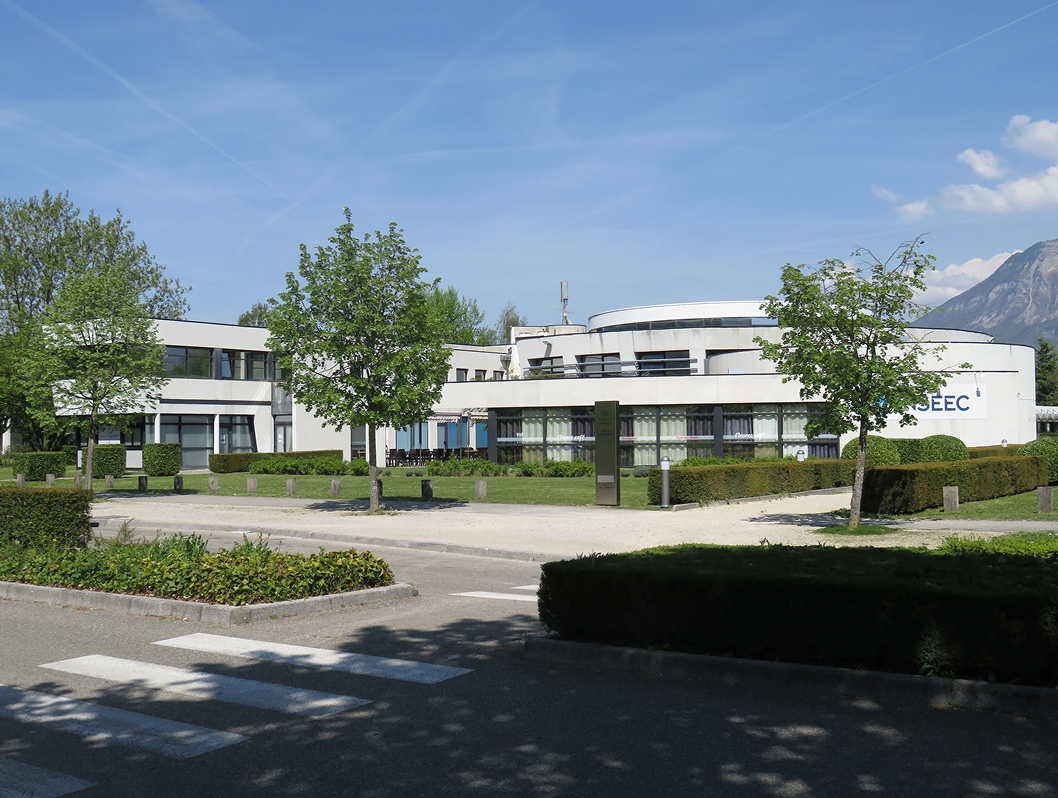
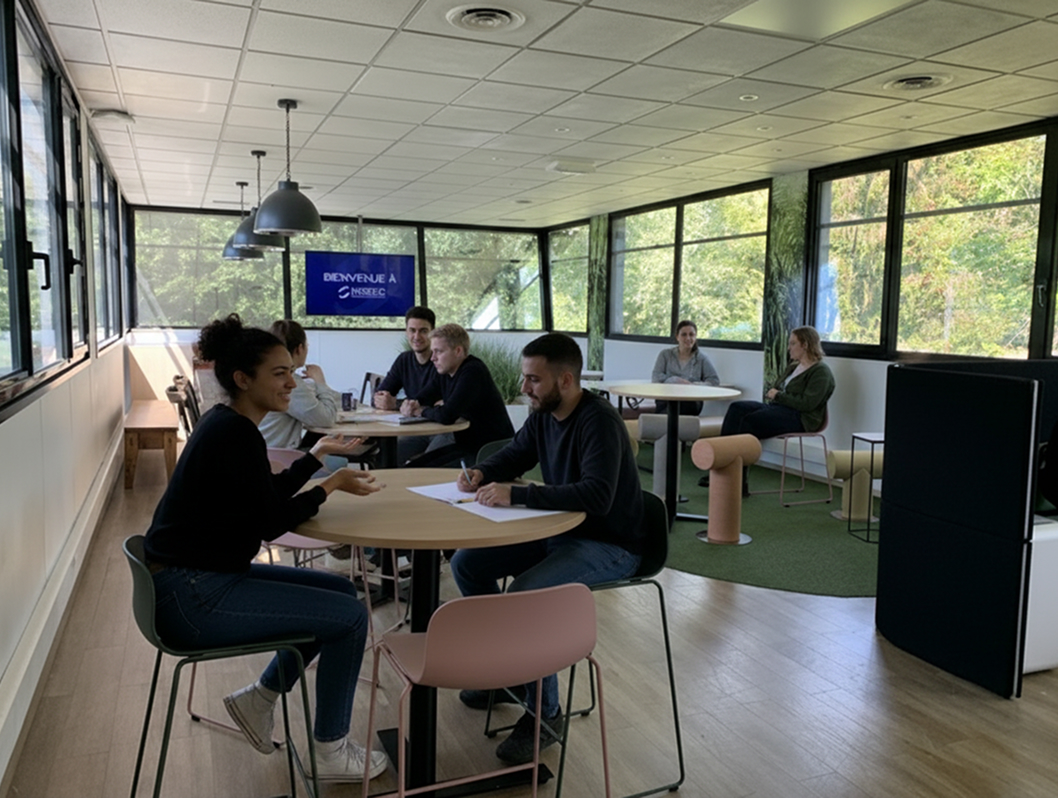
Campus de Chambéry
Study between lake and mountains on a unique American-style campus, conducive to a fulfilling student experience.

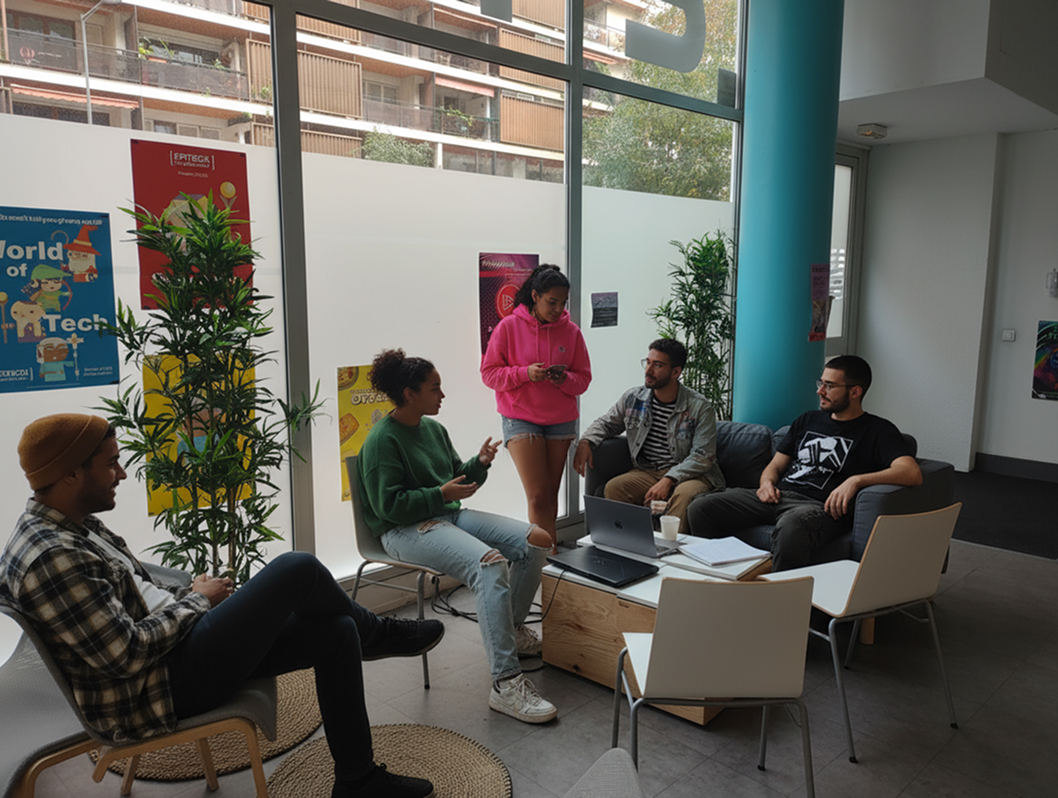
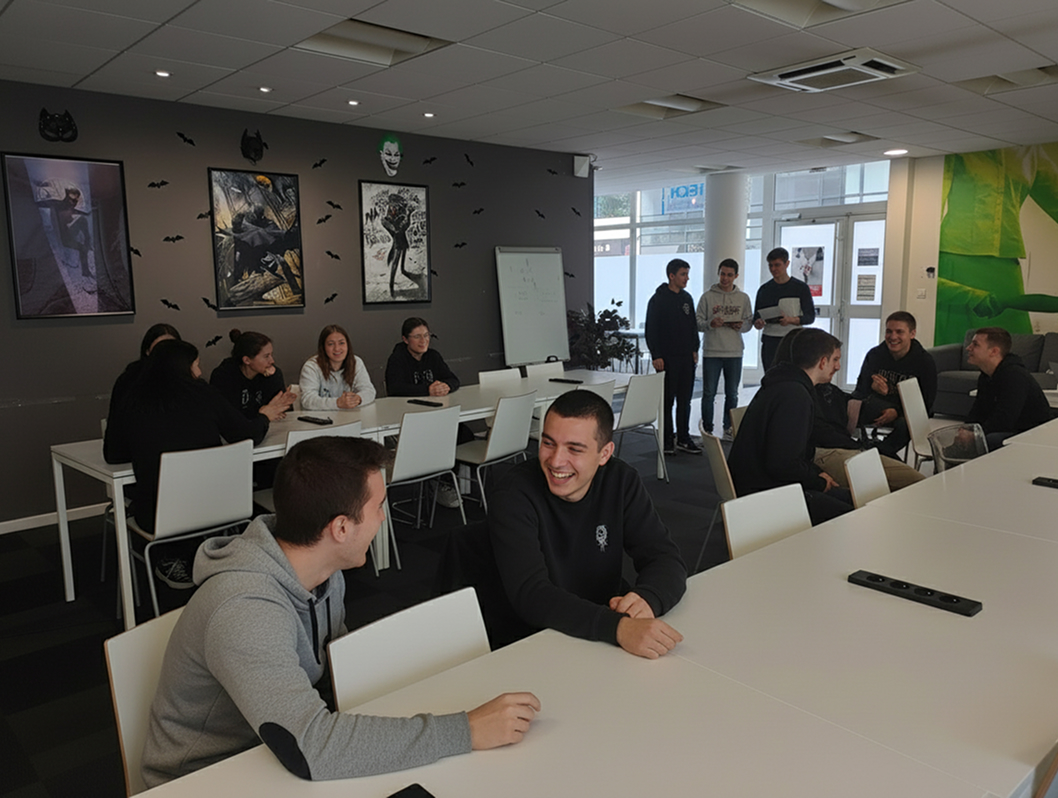
Campus de Marseille
Discover a brand new campus in the heart of Marseille, an energetic Mediterranean city full of contrasts.
The most comprehensive range of training courses
Our Master of Science specialisations

MSc Communication
The Masters of Science specialising in Communication at INSEEC Paris, Lyon, Bordeaux, Marseille and Chambéry train sought-after experts with a curriculum designed for optimum integration into creative and strategic sectors.

MSc Business
INSEEC’s Masters of Science Business programmes train sought-after, multi-skilled managers capable of working in all sectors, on 7 national campuses from Paris to Toulouse.

MSc Data
INSEEC’s Masters of Science in Data train specialists in digital marketing and analysis, capable of working in innovative markets in Paris, Lyon and Bordeaux.

MSc Digital
INSEEC’s Masters of Science in Digital are taught on 7 campuses (Paris, Lyon, Bordeaux, Toulouse, Marseille, Rennes, Chambéry), offering high employability in digital marketing.

MSc Real Estate
INSEEC’s Masters of Science in Real Estate train sought-after experts on 7 national campuses, from Paris to Lyon and Bordeaux, guaranteeing optimal integration into the real estate sector.

MSc International
INSEEC’s Masters of Science in International Management train sought-after managers on 7 campuses, from Paris to Lyon and Bordeaux, offering high employability in international careers.

MSc Luxury
INSEEC’s Masters of Science in Luxury trains sought-after experts on 5 campuses, from Paris to Lyon and Bordeaux, offering high employability in international luxury houses.

MSc Marketing
INSEEC’s Masters of Science in Marketing are taught on 7 campuses (Paris, Lyon, Bordeaux, Toulouse, Marseille, Rennes, Chambéry), offering high employability in strategic marketing.

MSc Human Resources
INSEEC’s Masters of Science in Human Resources train sought-after experts on 7 campuses, from Paris to Lyon and Bordeaux, offering high employability in all HR sectors.
MSc CSR
INSEEC’s Masters of Science in CSR train sought-after experts in Paris and Bordeaux, offering high employability in companies committed to sustainable transition and social responsibility.

MSc Healthcare
INSEEC’s Master of Science in Health trains highly sought-after managers of healthcare establishments, ready to head up hospital and medico-social structures from Paris to Lyon, via Bordeaux.

MSc Sport
INSEEC’s Master of Science in Sport trains sought-after sports marketing experts, ready to move into the sports industry from Paris to Lyon, via Bordeaux.

MSc Wine
INSEEC’s Master of Science in Wine trains sought-after business experts, ready to develop the wine industry from Paris to Bordeaux via Lyon.
Visit us at
Our events
Event type
-
MSc
21/03
Open House Days in TouIouse
-
MSc
26/03
Campus Days in Chambéry
-
MSc
01/04
Open House Days Online
FAQ
Questions about INSEEC’s Masters of Science in Finance?
Find the answers to the most frequently asked questions about INSEEC’s Master of Science in Finance. Still have a question? Contact us, we’re here to help.
Questions about our Finance programmes
How can I finance the Master of Science in Finance?
There are several ways of financing your Master of Science in Finance at INSEEC. A sandwich course is the most advantageous solution: your tuition fees are largely covered by the company and you receive a salary while gaining significant experience. The programme also offers alternating work placements, making it easier for you to find a job.
You can benefit from student loans at preferential rates. The Admissions Department can help you with the process and provide you with all the information you need. Don’t hesitate to consult our detailed brochures, which list all the assistance available.
What is the profile of successful MSc Finance students?
The students who excel in this programme share a number of traits: a solid knowledge of the fundamentals of finance and economics, a facility with numbers and analysis, and a strong motivation for the demanding careers in the financial sector. They come from a variety of backgrounds: business schools, universities (economics, management, applied mathematics) or a 4-year postgraduate degree in finance.
Their intellectual curiosity, analytical rigour and ability to work as part of a team are major assets. International profiles with a good command of English are particularly valued, as the programme includes many courses in English to prepare them for global careers.
What is the salary after a Master of Science in Finance?
At the start of their career, graduates of the Master of Science in Finance can expect to earn between €32,000 and €35,000 gross per annum, depending on the position and the company. After 3 to 5 years’ experience, particularly in corporate finance, audit or management control, salaries rise to between €46,000 and €60,000.
Experienced profiles in finance management, senior investment banking analysts or M&A managers earn €60,000 to €85,000 and more.
The major international financial institutions offer attractive packages including bonuses and benefits. Salary progression depends on the field chosen: market finance and strategic consulting generally offer the highest salaries.
Are there any professional speakers or experts from the sector?
Absolutely. The programme includes working professionals from major banks, international audit firms, group finance departments and consultancies. These experts contribute their knowledge of the field through theoretical and practical courses, real-life case studies and sector-specific conferences. They share their vision of current issues: the digital transformation of finance, sustainable finance and global regulatory changes.
This proximity to the professional world means that students receive training that is anchored in the realities of the marketplace, and facilitates access to a wide range of career opportunities. Their network is also an invaluable asset for your professional integration.
Is finance a sector for the future?
Yes, finance remains a central part of the global economy and is changing to meet new challenges. The sector is evolving with digitalisation, sustainable finance (ESG), tighter international regulation and the emergence of new technologies (blockchain, AI applied to finance). Finance functions are becoming more strategic and business partners within organisations.
The Master of Science in Finance prepares you for these changes by offering programmes tailored to the needs of the market. Companies are looking for profiles capable of navigating this complex, international environment, with a mastery of both the fundamentals and innovations in the field. Career prospects are solid over the long term.
Is it possible to work abroad with the INSEEC Master of Science in Finance?
Yes, the programme prepares you specifically for international careers. Many courses are taught in English to help you master financial vocabulary and global practices. You can do your placements in Europe, Asia or America to gain global experience.
The level of expertise attained and the recognition of our school will facilitate your admission to international positions: analyst in global investment banks, management controller in multinational groups or consultant in financial strategy. The international dimension of the programme is a differentiating advantage on the market.
What soft skills are developed with the INSEEC MSc Finance?
In addition to your technical skills in finance and management, you will develop essential qualities: the ability to analyse and summarise complex information, rigour and precision in execution, the ability to work under pressure and meet tight deadlines.
You will strengthen your leadership skills to manage project teams, your communication skills to present analyses to different audiences and your adaptability in the face of rapid changes in the sector.
The programme also enables you to develop your interpersonal intelligence, which is essential for working in a demanding environment where collaboration between different departments is central. These soft skills are decisive for success in the strategic professions of finance.
Do I need a scientific baccalaureate to enter the Master of Science in Finance?
No, the original baccalaureate is no longer decisive at this level. Admission to the Master of Science in Finance is open to holders of a bac+3 or bac+4 in a variety of fields: finance, management, economics, mathematics, engineering or business. What counts is your post-bac career, your academic results and your career plans.
Familiarity with numbers and financial concepts is important, but the courses on the programme will enable you to acquire or consolidate these skills. Students from different backgrounds enrich the exchanges and bring complementary perspectives.
The admissions department makes an overall assessment of your application, your motivation and your potential to succeed in this demanding field.
Does the Master of Science in Finance prepare you for professional qualifications?
Yes, the programme includes certifications and professional tools recognised by the financial sector. You will be trained in the software and platforms used on a daily basis in companies, so that you are immediately operational. These technical skills will significantly enhance your employability with recruiters and make it easier for you to join the major financial institutions.
The programme also offers specialised modules to prepare you for the demands of the professional world. For precise details of the qualifications offered, the tools taught and the technological partnerships, please consult our detailed brochures or contact the admissions department directly, which will provide you with all the latest information based on your background and career objectives.
What is the difference between an MSc Finance and a University Masters in Finance?
The Master of Science in Finance offered by INSEEC stands out for its professional approach and its links with the business world. Unlike a more theoretical university Master’s degree, this programme combines theoretical and practical courses taught by working professionals, real-life business projects and systematic work-study programmes. The aim is to prepare profiles that are immediately operational.
Our network of 110,000 graduates, 10,000 partner companies and 7 city-centre campuses will help you find a job. The programme leads to an RNCP level 7 qualification and 120 internationally recognised ECTS credits. Personal support, networking events and access to exclusive offers are all tangible benefits. Tuition fees for the sandwich course are covered, making the course accessible full-time without incurring significant debt.