


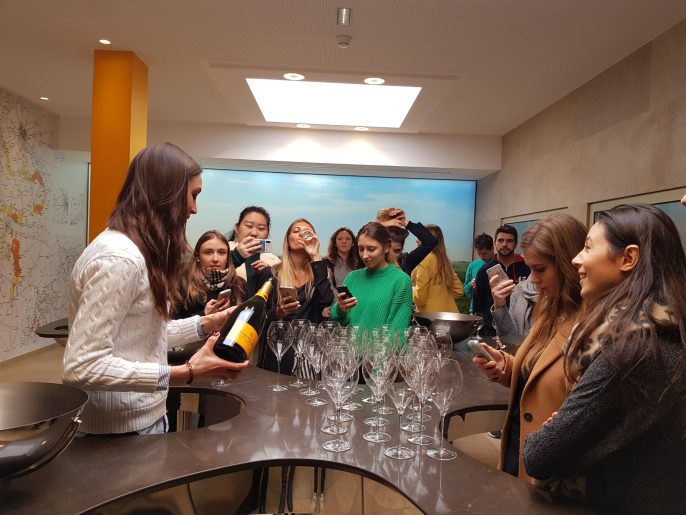
Last February, our MSc 2 Luxury Brand Management students had the pleasure of taking part in a luxury discovery trip.
They travelled for five days to Paris and then to Reims to discover some of the most prestigious places in the luxury sector.
The MBA Luxury is part of INSEEC’s Luxury and Wine cluster, and is a comprehensive programme of excellence in the art of managing brands and companies in the luxury industry.
Students regularly meet professionals from the sector at afterwork sessions, professional conferences, tastings and visits to exceptional locations.
Luxury trip, an olfactory journey
The first meeting was with David Frossard, founder and manager of the Différentes Latitudes label. As a showcase for the label, our students discovered LIQUIDES, a perfume bar created by David Frossard and designer Philippe di Méo, where over twenty exceptional perfume brands are on display.
A stone’s throw from the quays of the Seine, our students stopped off at the Maison des Parfums Candora. Offering a profusion of fragrances inspired by nature, they discovered premium-quality Eaux de Toilette and Candles with tailor-made scents.
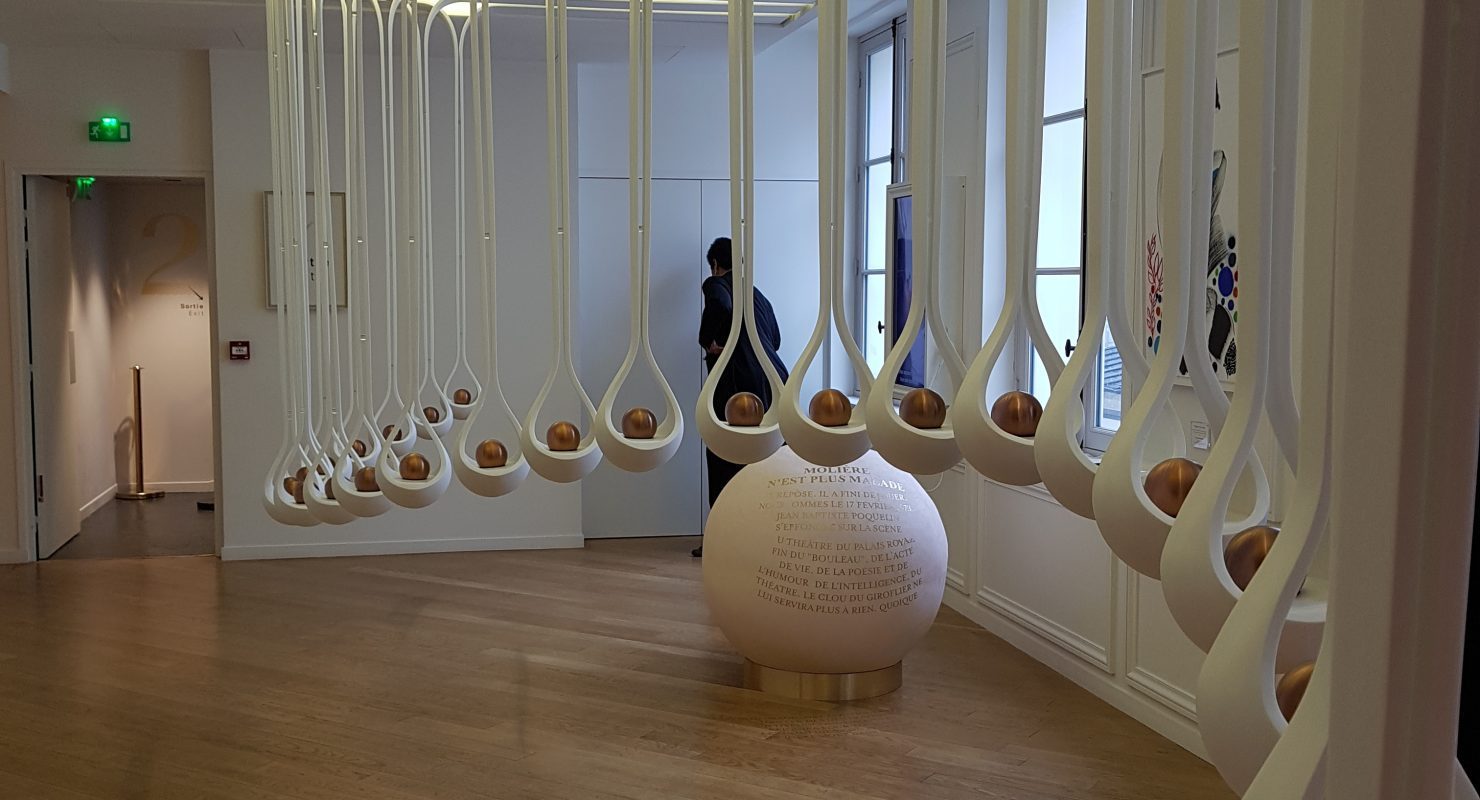
To complete their olfactory journey, they visited the Grand Musée du Parfum, housed in a private mansion at 73, rue du Faubourg Saint-Honoré. The museum’s 16 experts help to raise public awareness of the sense of smell, and helped our students to develop their knowledge of perfume.
Eye candy, jewellery and haute couture
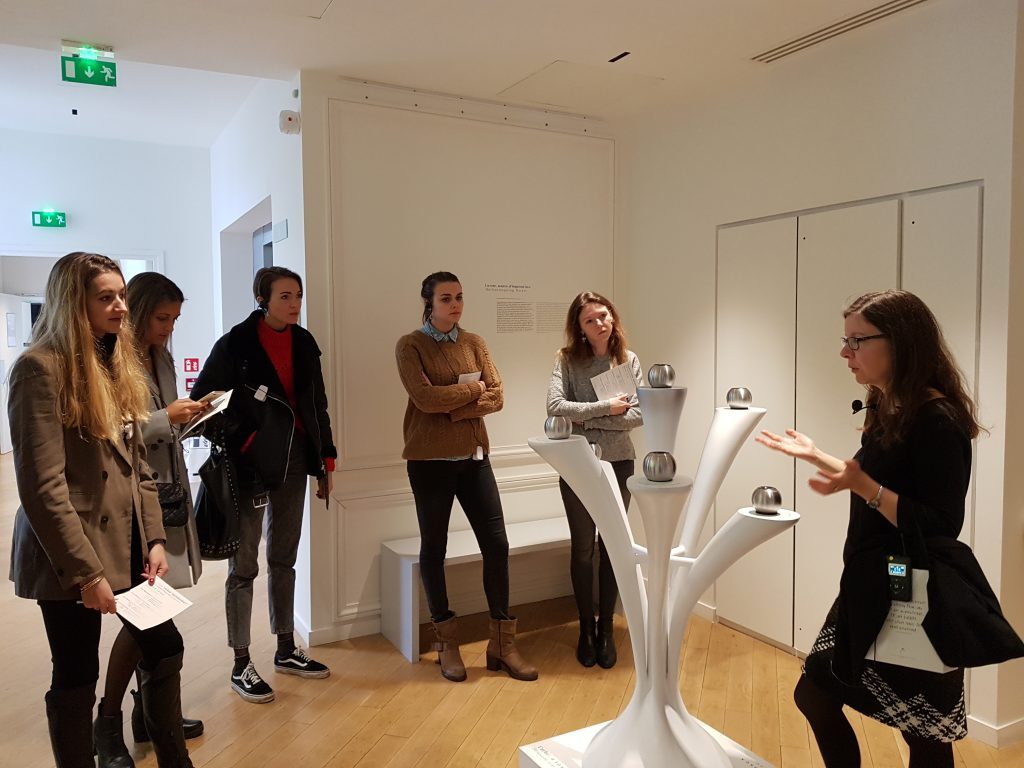
This luxury trip then took our students to L’École des Arts Joailliers by Van Cleef & Arpels, the first introductory jewellery school for the general public, where they followed an introductory course. Five partnerships in France and Japan testify to the School’s fundamental missions: spreading culture, transmission and education.
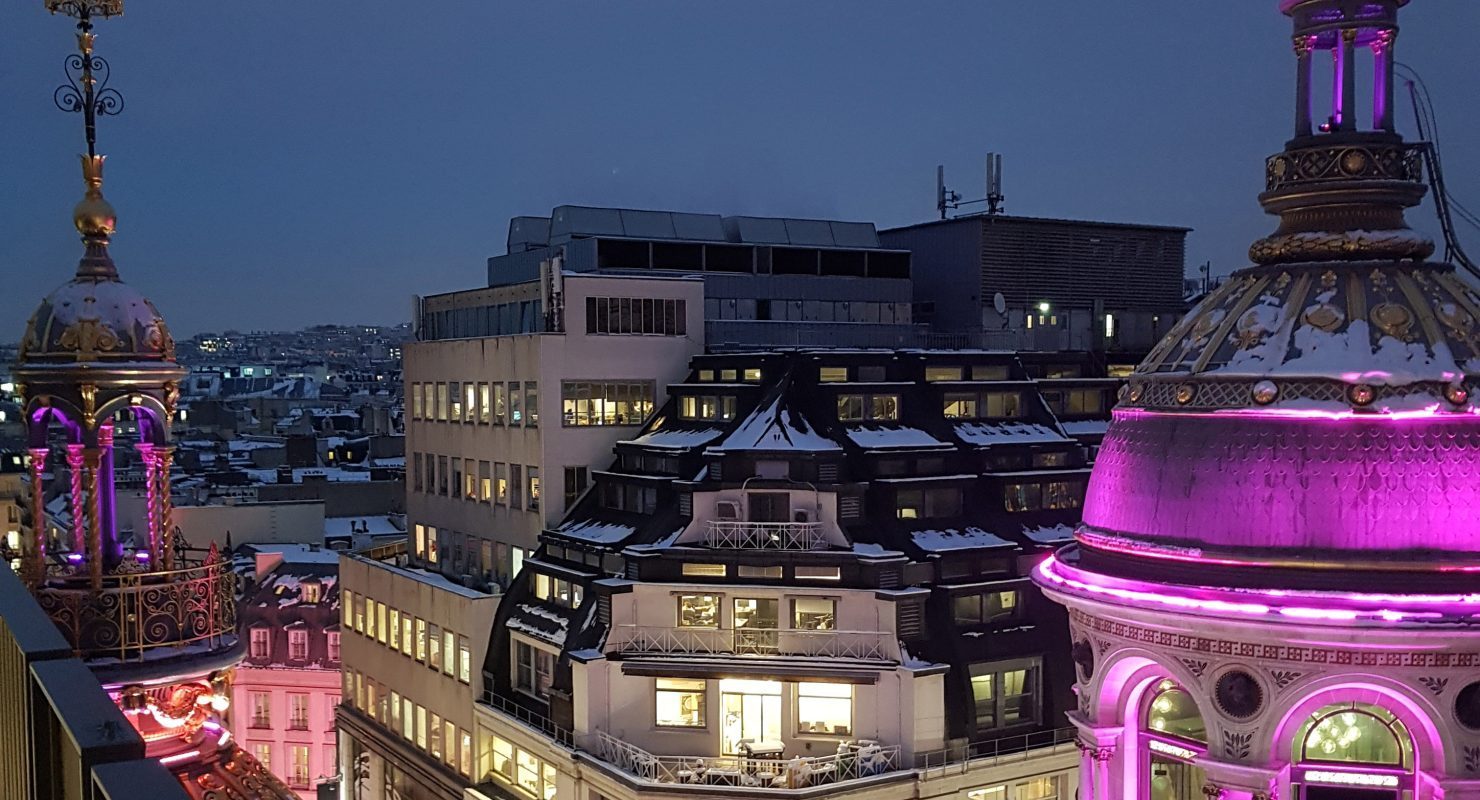
Philippe Mihailovich, co-founder and CEO of HAUTeLUXE, then invited them to study as many luxury boutiques as possible between Palais Royal and St Honoré. The aim was to get them to identify the similarities and differences between luxury, jewellery and perfume brands.
The final intention was to create their own concept for selling High Luxury Niche products in Paris. They were asked to be rare and original.
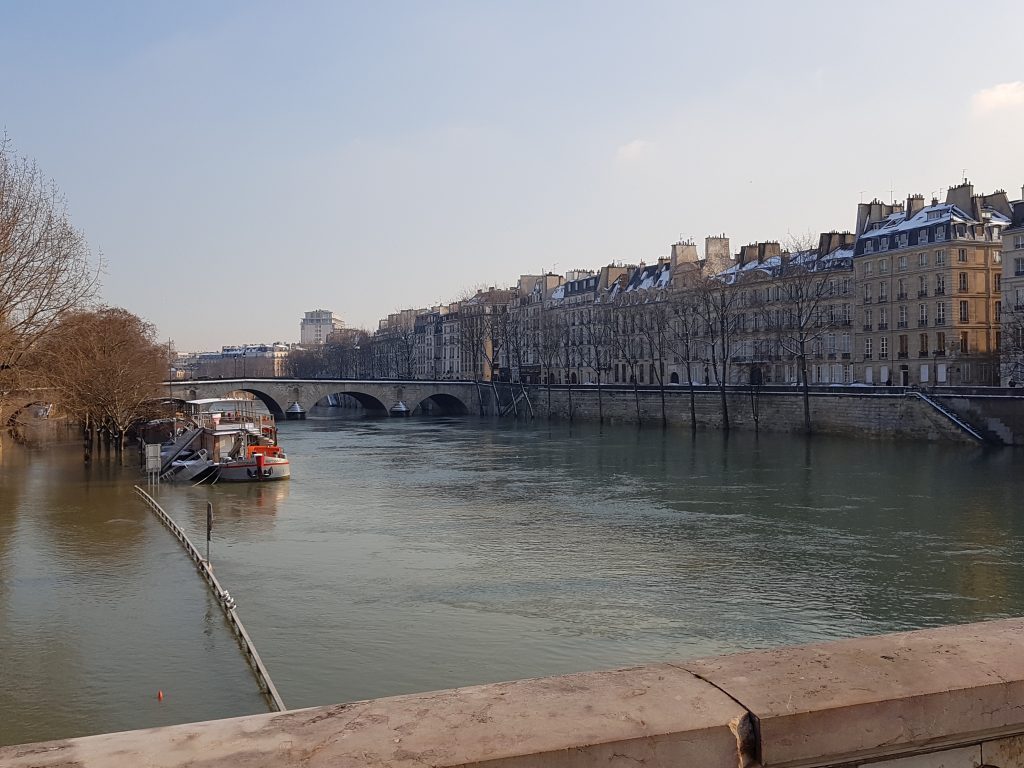
Luxury trip to Reims, the gustatory stage.
Our students ended their tour in Reims, the capital of Champagne.
They enjoyed lunch at La Vigneraie, a famous gastronomic stop in the Michelin guide with the Maître Restaurateur and Vignoble Découverte labels.
They also had the privilege of visiting two prestigious estates: Maison Veuve Clicquot and Domaine Pommery.
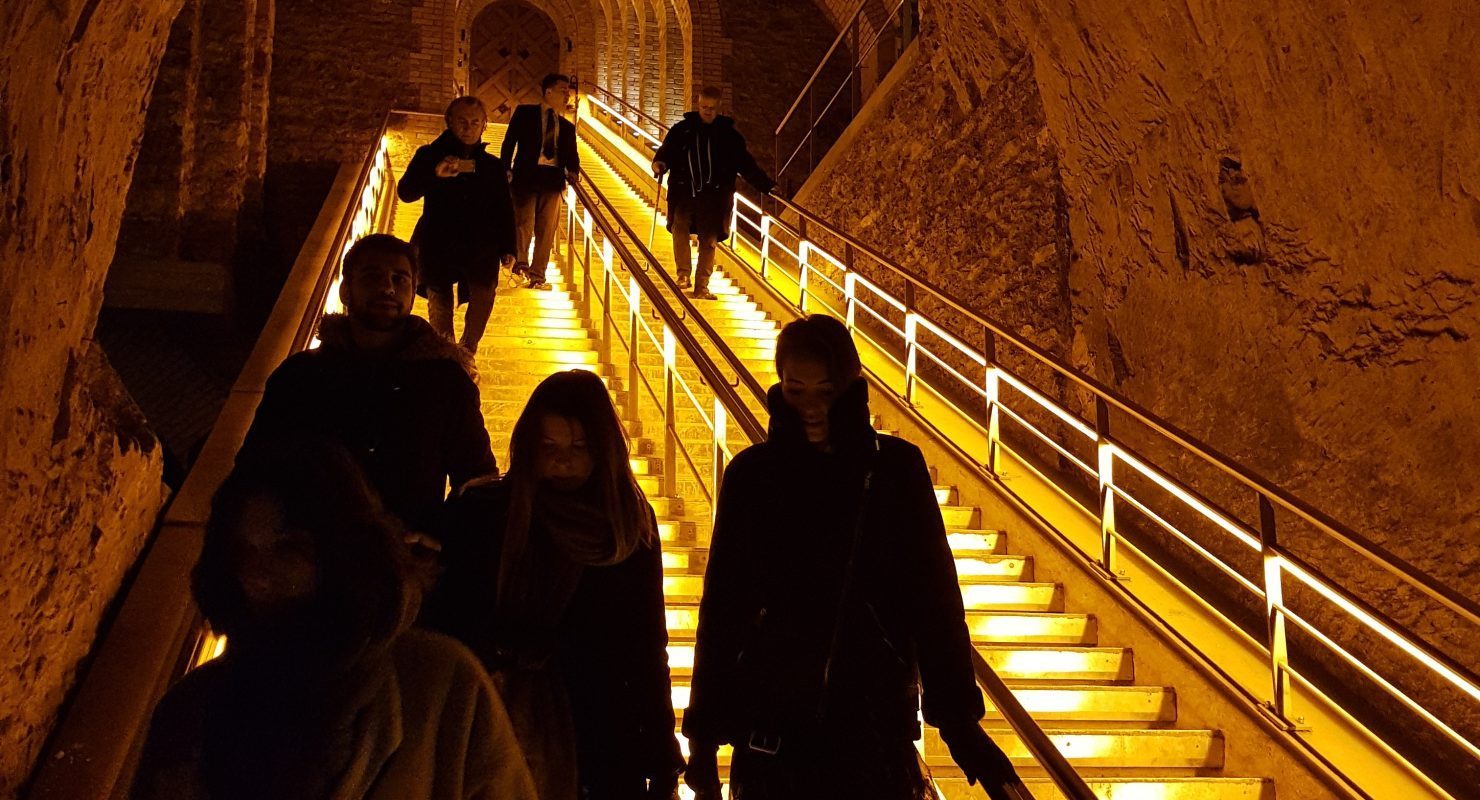
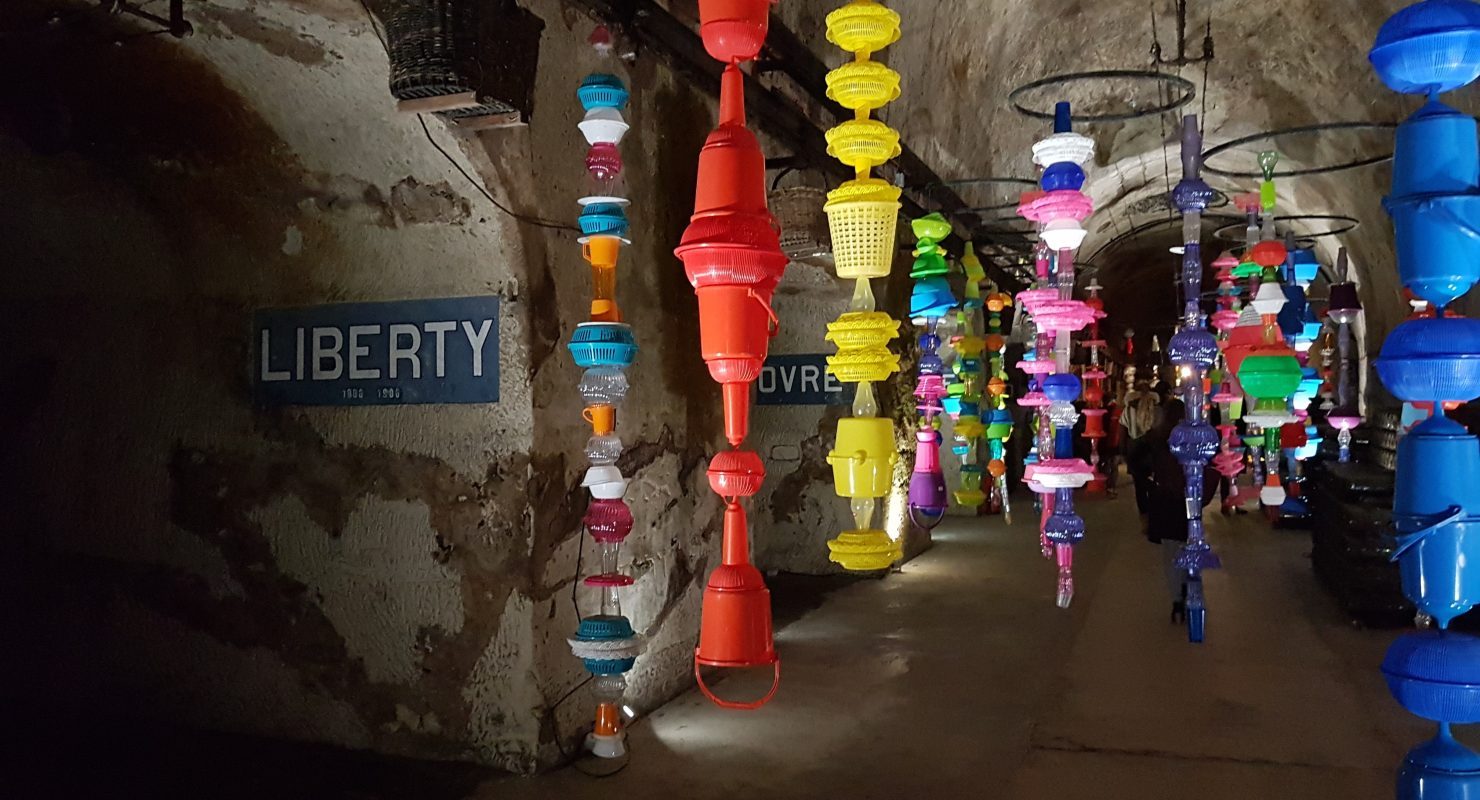
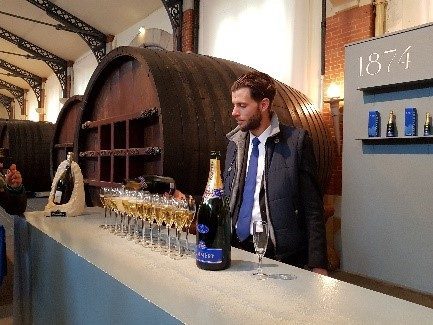
Maison Veuve Clicquot and Domaine Pommery offer quality vineyards spread across the best Champagne crus, and are very committed to sustainable viticulture.
The two renowned brands have also developed underground tours.
As a result, our students were able to explore their galleries, several kilometres long, where the millions of bottles produced each year are stored.
Finally, our students had the honour of tasting the famous Brut Carte Jaune from Veuve-Clicquot and Brut Royal from Domaine Pommery, which was the highlight of their Luxury trip.
Did you know? What is the difference between sparkling wine and champagne (apart from the price….)
It’s essentially a question of the method of production, not the grape variety used.
Sparkling wine, also known as ‘pétillant’, is produced using a fermentation process that encourages the formation of bubbles.
Champagne, on the other hand, is made using the méthode champenoise, in reference to its region of origin, Champagne.
3 grape varieties are used to make this drink:
Chardonnay, Pinot Noir and Pinot Meunier, which can also be used to make wine.
To find out more about the different stages in the méthode champenoise, visit this page.